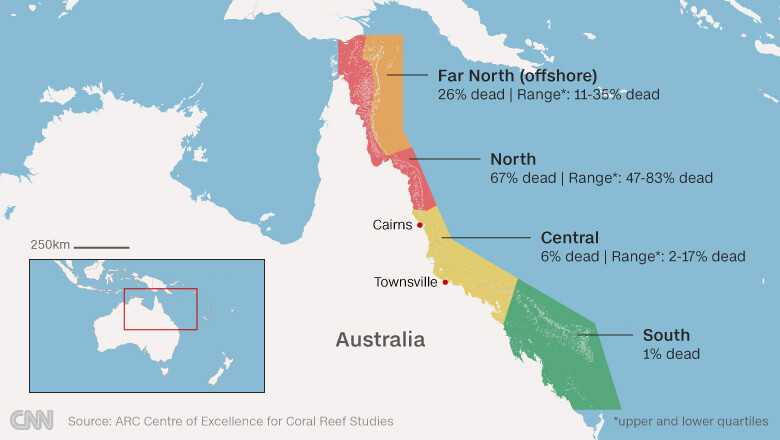
Hello Rector,
I rarely flame anyone and appreciate any serious questions. I fully appreciate your distrust, I call this the 'Age of Fraud'. I've ranted in earlier posts about how trust in every institution has been systematically destroyed in recent years. Sometimes with reason and sometimes just for effect. Makes you wonder who gains by destroying our trust in everything?
First of all, in a nod to Les who has trumpeted the obvious source of all problems for years now, let me acknowledge that the font of all our resource/pollution problems is our growing population which keeps expanding without end, so far. Any solution has to balance the resource use per capita and the number of total people on Earth. Unless we start exporting people off this rock, any solution that doesn't stabilize or reduce human populations is just buying time until addressing population has to be faced definitively. The problem per se isn't the number of people we have, it is the fact that we keep having more than enough babies to replace ourselves and keep using more and more resources per person. Population has more than doubled in my life time. If a mad scientists or rogue government managed to kill off half the population we'd be right back where we are now within 30-50 years. We don't need an instant solution, we need a long term one where we have more deaths than births over a long period of time until the population drops to a more sustainable level. It doesn't have to be traumatic or catastrophic in nature, just continual. What that sustainable population level would be is a philosophical discussion related to how affluent and resource intensive we wanted to be. Living like Americans, we need a much smaller global population, living like Indians, we could be maybe 20 times as big. With that said, I will leave the moral quagmire of how to accomplish any of this to others to discuss. There have been a few threads and discussions about this over the years.
As for the more practical, here and now attempts to correct the insoluble problems of human nature, I would make a small alteration to economic incentives. One of the great failings of economics, as used, is the inability to incorporate so-called 'externalities'. The issue, as I see it, is the way in which we treat those problems that we know to exist but can't yet quantify well (say greenhouse gas emissions, pollution, etc). Since we cannot easily quantify their impacts, we simply assume they mean nothing and ignore them until someone can prove otherwise which is a recipe for one environmental disaster after another. Since these items have no current price, nobody who works in those markets invests anything in quantifying those costs, and they resist any effort by anyone outside of their markets to do so. My approach to dealing with this, should I be made global economic czar(!), would be to assign these externalities an assumed and significant cost up front. This would lead to market inefficiencies much as not having any costs does already but it would change the impetus to having incentives to better define real costs. Some arbitrary and ideally somewhat high cost (5%, 10%?) is set until such time as defensible costs of the externality can be determined. In other words, the costs/taxes are set high until such time that industry/science can defensibly prove that the actual costs are less than the existing assigned tariff (or whatever term you'd like). This changes the incentives to searching for valid valuations of externalities instead of resistance to any valuation of them. This gives markets a vested interest in researching and determining more realistic valuations that would be acceptable to the industry and which would improve market efficiency.
My thumbnail idea for what it is worth.
You'll note that both in terms of population and my economic approach we are talking about long term approaches that would take generations to play out. No quick fixes.
One thing to keep in mind is that there are no immediate 'solutions' to climate change, only ways to better manage the outcomes and to reduce the impacts. We have a few centuries of climate changes already in process that can't be stopped. No one serious is suggesting we turn out all the lights, give up fossil fuels tomorrow, and return to the stone age. However using less fossil fuels year after year is not only possible but wise since they are a diminishing resource. Don't buy the narrative of all or nothing.
Mark
P.S. Yikes, I am now behind on some important work I have to do…
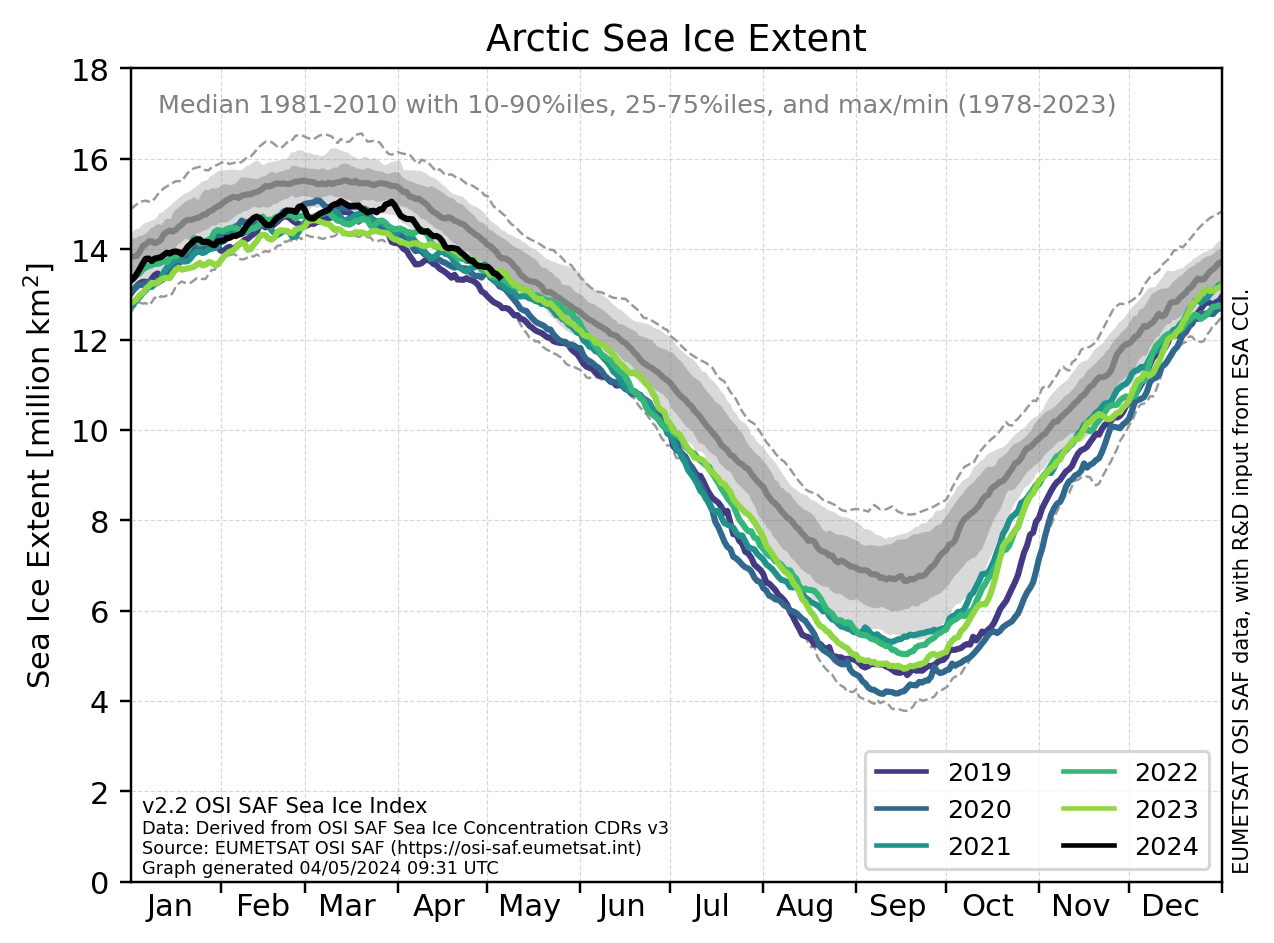
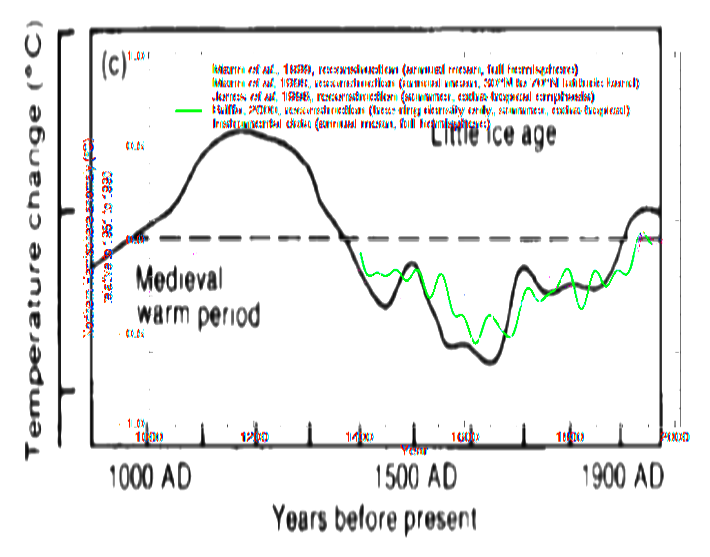 There is more. lets look at ice core records the last 10,000 years, from