upper half of Copenhaver’s upper arm:

Copenhaver’s arm shot cleared the rail.
The impact point was more than 1/2 way up from his elbow to his shoulder.
1/24th of a second before his arm shot, his elbow was less than an inch below the rail level.

Bubba replied:
Brandon Mason TikTok name: brandonmason891
I’m not sure if it’s been said what is the composition of the bullet in Mr. Copenhaver. If it does have a copper jacket, is that significant? I thought “Crooks” rounds were basic full copper jacket bullets with lead cores.
OK, I didn’t know that had been confirmed.
Except, I think Crooks certainly was up there, but didn’t shoot any bullets.
Can you see anything out of place in this picture?

1 Like
Clouds and cigarette smoke each appear to form different patterns?
m
I think I found the guy in Vincent Fusco’s film that said he saw/felt bullets ricocheting off the floor of the bleachers.
Here’s his pic from the film:

This is him in Jim Moore’s video after the shots:

He’s in the right area, but you can’t tell exactly where he was before the shots.
Here he is in c3pmeme / storyful’s video:
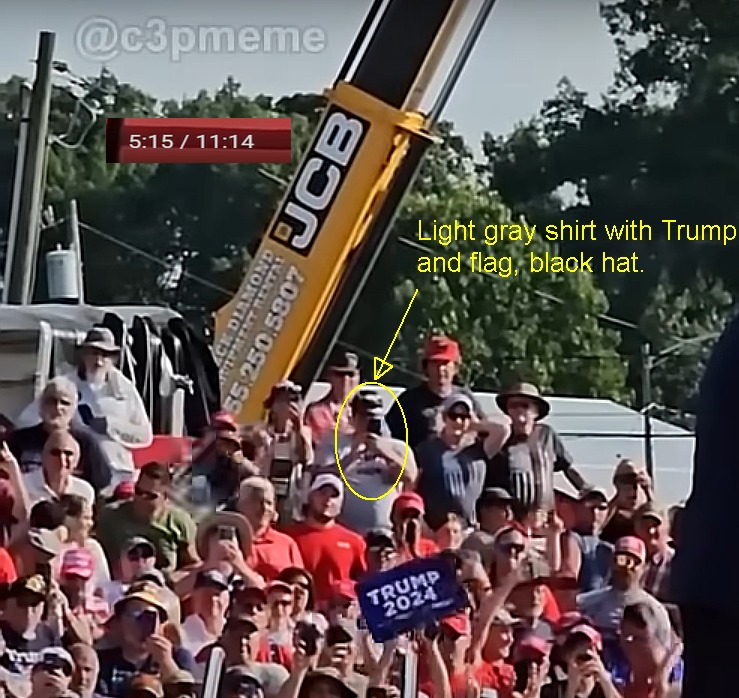
He is apparently sitting down at the time of the shots.
2 Likes
I could ask, “which shots?” because 5 shots were approaching as Trump said “couple of months old, that chart.”
And other shots had been fired before those 5.
The green generators east of the center bleachers had bullet impacts, obviously from one or more of the tree shooters.
So maybe this guy heard shots bouncing up after impacts undernearth the seats.
Some of the factory vents seemed to be smoking.
This is from the Driscoll video, and seems to show a vent smoking.

Either the same bullet did hit Copenhaver’s arm and the railing behind Dutch. But that shot could NOT come from AGR. Or there were multiple (maybe silent) shots.
Wait a second.
Good question — it depends on the design of the bullet.
A copper-jacketed lead core bullet is not necessarily a dum-dum bullet, but let’s break it down:
What it is:
A copper-jacketed lead core bullet means the bullet has:
- A lead core (soft metal),
- Covered in a copper (or other metal) jacket (harder shell around the lead).
This design helps the bullet maintain shape, reduce barrel fouling, and sometimes penetrate more efficiently.
A “dum-dum bullet” is commonly:
- A soft-point or hollow-point bullet,
- Designed to expand or flatten upon impact,
- Causing greater tissue damage — and thus often restricted or banned in warfare under the Hague Conventions.
Some early dum-dum bullets were partially jacketed (the lead tip was exposed), which allowed expansion — unlike full metal jacket (FMJ) rounds that usually do not expand.
So, when is a copper-jacketed bullet a “dum-dum”?
Only if:
- The jacket is designed to open or deform (e.g. hollow-point or soft-point),
- It is not a full metal jacket (FMJ) that remains intact on impact.
Conclusion:
A “copper-jacketed lead core” bullet can be a dum-dum bullet if it’s designed to expand (e.g. hollow-point), but not all copper-jacketed bullets are dum-dums.
If you want, I can help you identify the bullet type based on more technical specs or images.
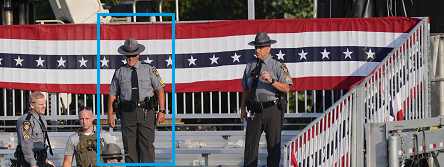
As per @daniel59’s request, I successfully determined Copenhaver’s precise location on the top row of the bleachers. He is positioned 15.8 feet from the rightmost corner of the bleachers according to this drawing:

Subsequently, I placed the three newly identified bullet impact points on the banner and drew trajectory lines toward Trump.
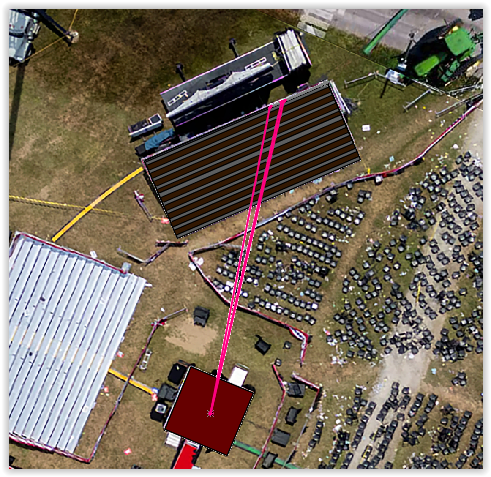
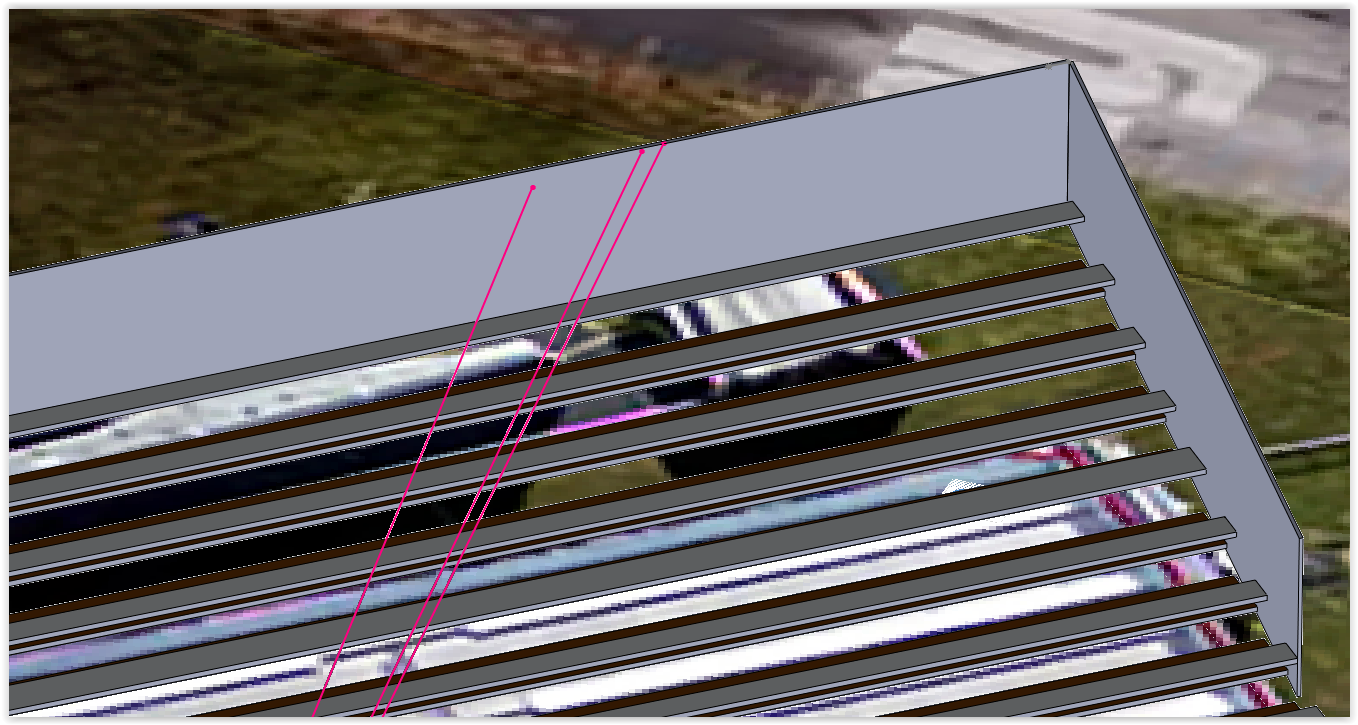
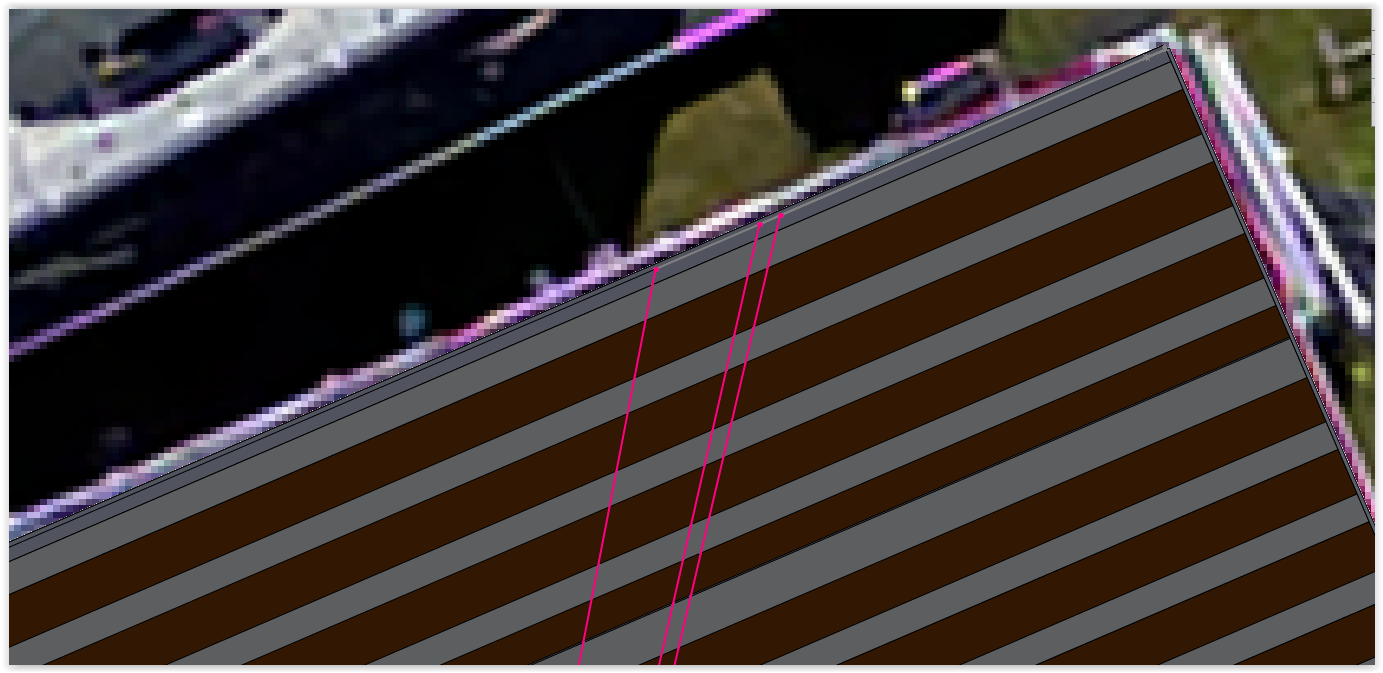
When Copenhaver is positioned at 15.8 feet from the corner and his body is aligned with the rotational orientation visible during the sequence of shots 4 through 8, there is a strong probability that one of these shots struck his left arm.
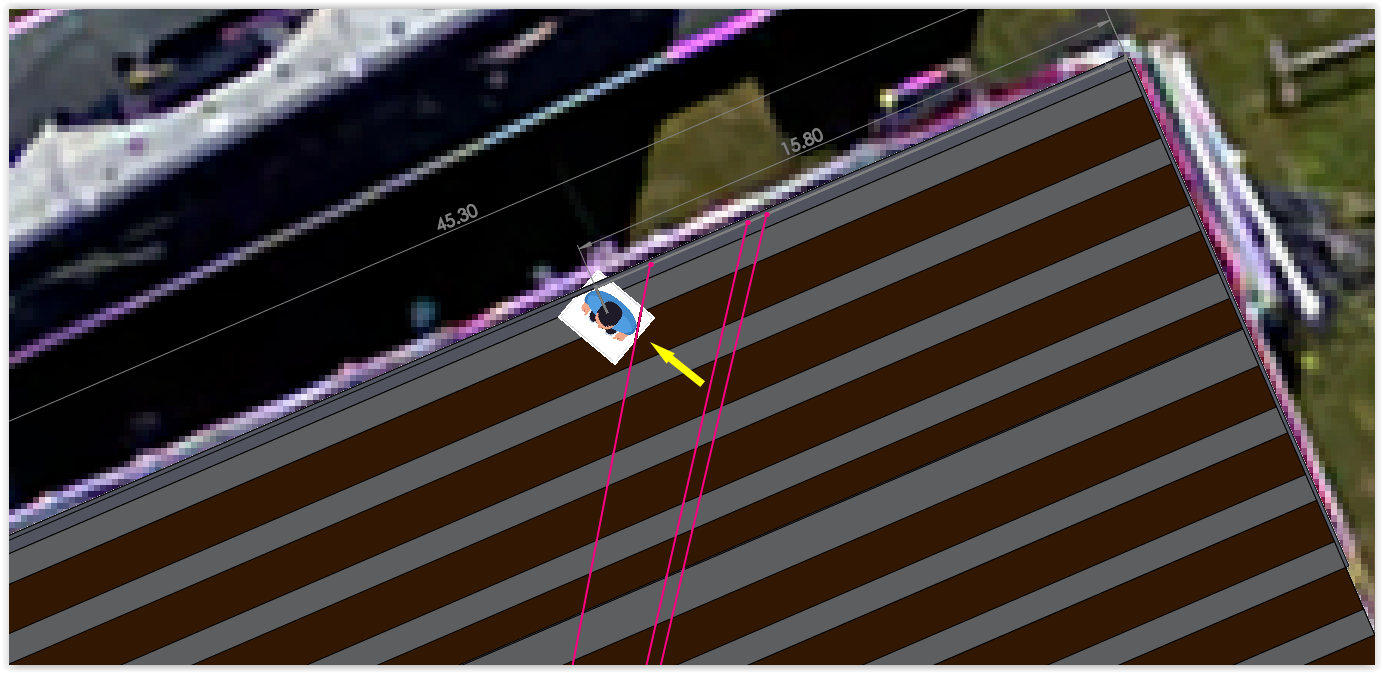
Only three impact points are visible in the banner, likely because one bullet remains lodged in Copenhaver’s body—explaining the missing fourth mark.
This configuration and trajectory analysis strongly suggest that shots 4–8 were indeed fired during this time frame and in alignment with the proposed simulation.
2 Likes
The time interval between the shots was very short. So short that the gun most likely only moved in one direction.
Shot 6 would probably have fallen into the gap between the two holes on the right and the hole on the left.
If Copenhaver was hit first in the arm and then in the body, the shot on the far right would have been number 4.
But there is probably too much scatter at this distance to conclude anything like that.
Let’s see what the weapons experts have to say.
By the way, there is a big tape measure. There are no numbers, you should count the stars.
3 Likes
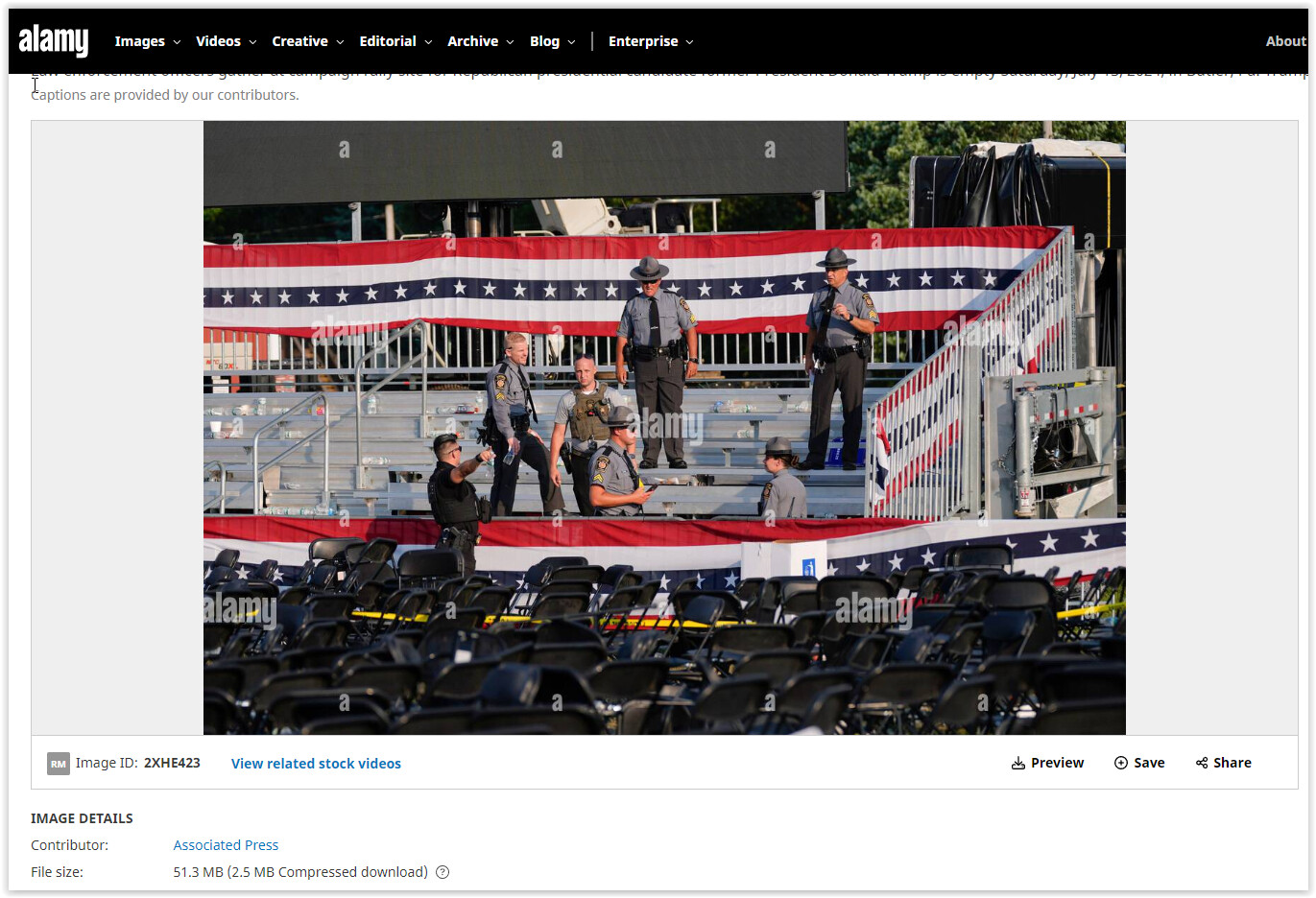
It would be helpful to obtain this 51.3 MB high-resolution image from Alamy. Is anyone willing to take the lead on contacting Alamy to acquire it?
1 Like
associated press
Perhaps Michael Yon ( @michael-yon) , as a professional photographer, has connections to The Associated Press.

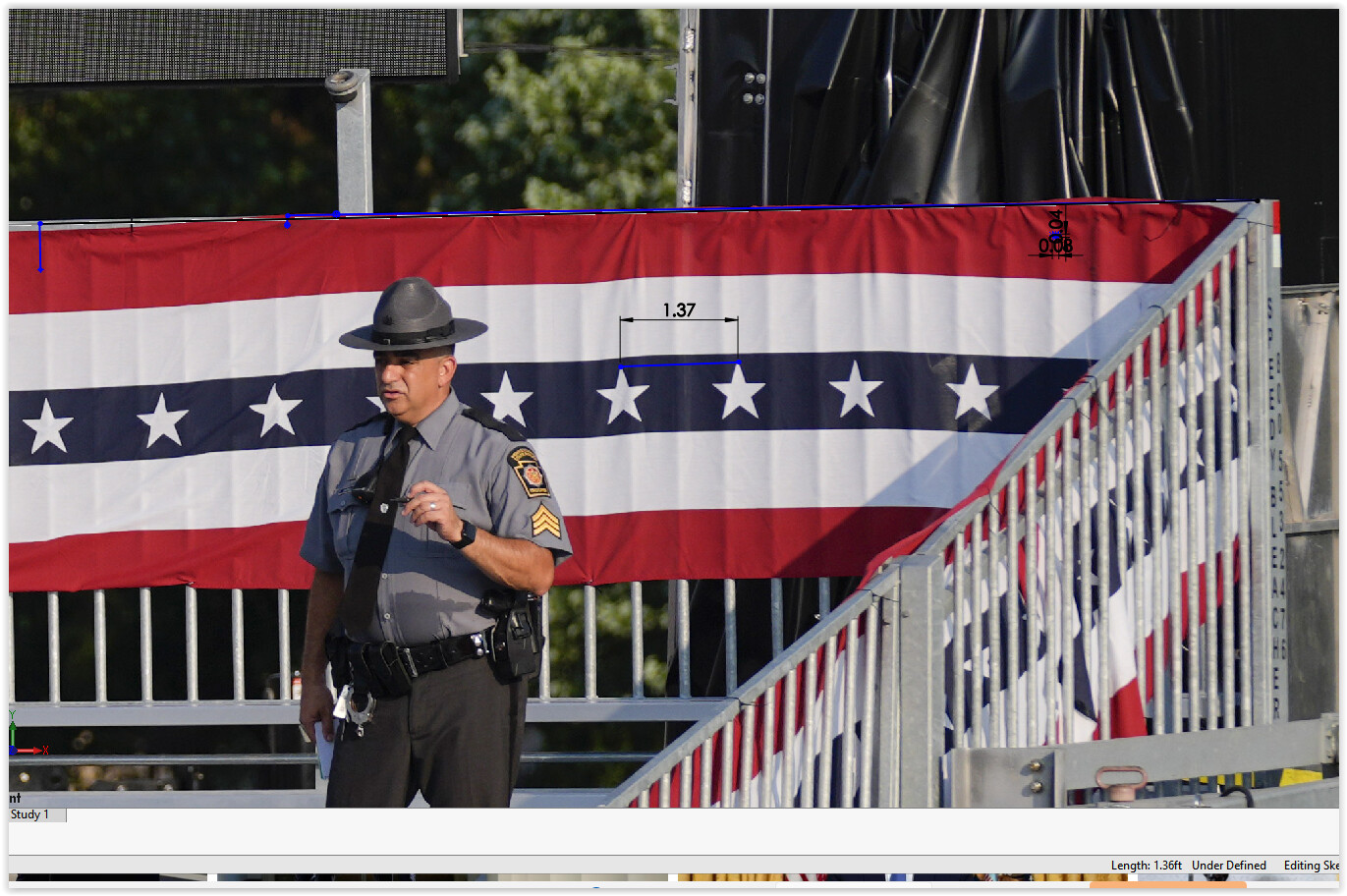
I have no connections to AP
3 Likes