Let me tell you something about Resource Crisis (my PoV reframed by AI).
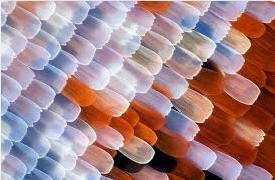
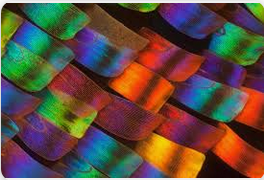
One of the biggest hurdles in our resource crisis is our reliance on rare and toxic metals to produce the vibrant pigments used in everything from electronics to car paint. These materials are finite, expensive to mine, and environmentally damaging. However, nature solved this problem millions of years ago without using a single drop of “ink.” Butterflies create their stunning colors through structural coloration—essentially using microscopic, “holographic” nano-patterns that manipulate light waves rather than relying on chemical dyes.
By shifting our technology toward this kind of “nano-architecture,” we could create colors that never fade and materials that are completely non-toxic. Instead of digging for rare minerals, we can use common, sustainable materials shaped at the molecular level to mimic the way a butterfly wing reflects light. It’s a shift from a “resource-extraction” mindset to an “intelligent-design” mindset, proving that the solution to scarcity often lies in how we arrange matter, not just how much of it we can dig out of the ground.

By the way:
The human brain uses about 20% of the body’s total energy at rest. In some sources it’s described as 20–25%, especially in children. Despite the brain is only about 2% of total body weight.