This isn’t looking good
I believe Chris spent time with Michael Yon in the Darin Gap.
https://x.com/Michael_Yon/status/1914137887190241576
2 Likes
Amen
Amen
Amen
Chris is amazing and his summaries of the symptoms, the WHO guidelines, and the truth behind the lab experiments was indescribably valuable.
It helped me immensely, and in a way made me more robust and confident when I caught Covid.
He reminds me of the scientists and doctors writing in The MENSA magazine in the 80’s about a new strange disease which caused people to catch anything that was infectious. It took over a year before the problem was given the name AIDS.
Chris is a beacon, and a pathfinder.

1 Like
I just want to chime in on something that has long bugged me, especially as an accessibility adviser/consultant. That is the use of the term “special needs” to describe people with disabilities. While some may equate what I am saying with political correctness or cancel culture, I have a lifetime of personal experience of the effects of such terminology myself since I am disabled, being profoundly deaf.
The problem with the term “special needs” is that all too many equate it with the need for “special treatment”, in a way that is derogatory, and not in keeping at all with the laws re the necessity to accommodate.
I had many instances in the working world where ignorant coworkers and supervisors said, in response to my requests for accommodation, “oh, so you think you are special”, or, “so you think you are entitled to special treatment?”. The greatest barrier to participation in all aspects of life for the disabled is attitudinal. It is the root cause of all other barriers to participation.
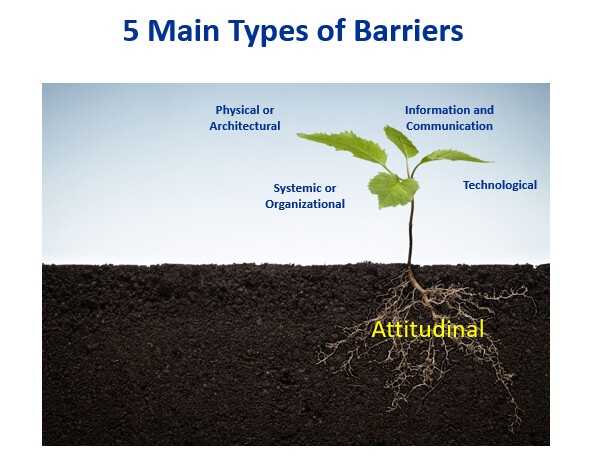
Disabled does not = special needs. It means “different needs”. There is a world of difference between saying a person has different needs to be able to participate, or saying a person has special needs to be able to participate. Different needs denote physical or mental disabilities that require accommodation. Special needs tend to be perceived as entitlements that are wants but not needs.
Words & terminology hugely matter in the realm of disability. For a person with autism, one can use the term cognitive disability, or mental health disability. An extra note of importance, always place the condition before the disability. It helps to not make the disability more important than the person. For example, I am not a deaf person, I am a person who is deaf, or a person with a hearing disability. Again, it makes a world of difference, especially for those on the receiving end.
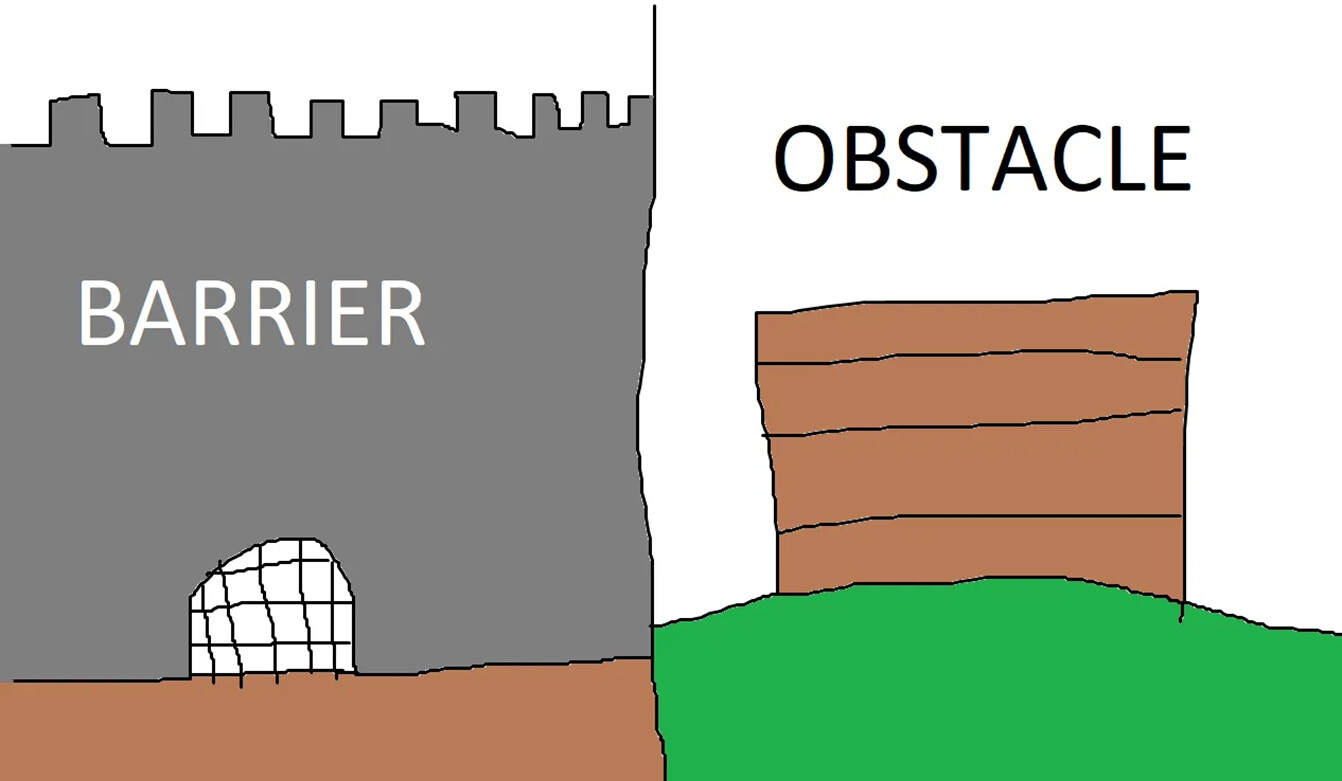
“Different needs” are obstacles for which there may be solutions to get around. On the other hand, attitudinal barriers often lead to dead ends, where no solutions are available.
Everyone can help reduce attitudinal barriers by being conscious of the effects of choice of words. Small things make big differences.
3 Likes
Hi Chris, thanks for running through the hypothetical mechanisms linking jabs with brain cancers. I very much appreciate your ability to simplify concepts.
1 Like
@SandPuppy: You are an inspiration to me. In our cynical world, you are among the shining lights of truth. A simple thank you.
Barry
4 Likes
I took last half of Holy Week off from news including Peak Prosperity to focus on God and faith, and I was generally more relaxed. Easing back into the flow, I noticed Evie’s beautiful cross she wore on Good Friday, and I appreciated how she ends the hour (and Friday’s was a repeat worth repeating). Thanks!
2 Likes
What MSM doesn’t want you to know about autism. https://youtu.be/KLewoBA_6_8?si=0fe6nHYpoDy98Lgk