Originally published at: https://peakprosperity.com/flock-off-how-flock-safety-is-turning-roads-into-surveillance-networks-and-what-you-can-do-about-it/
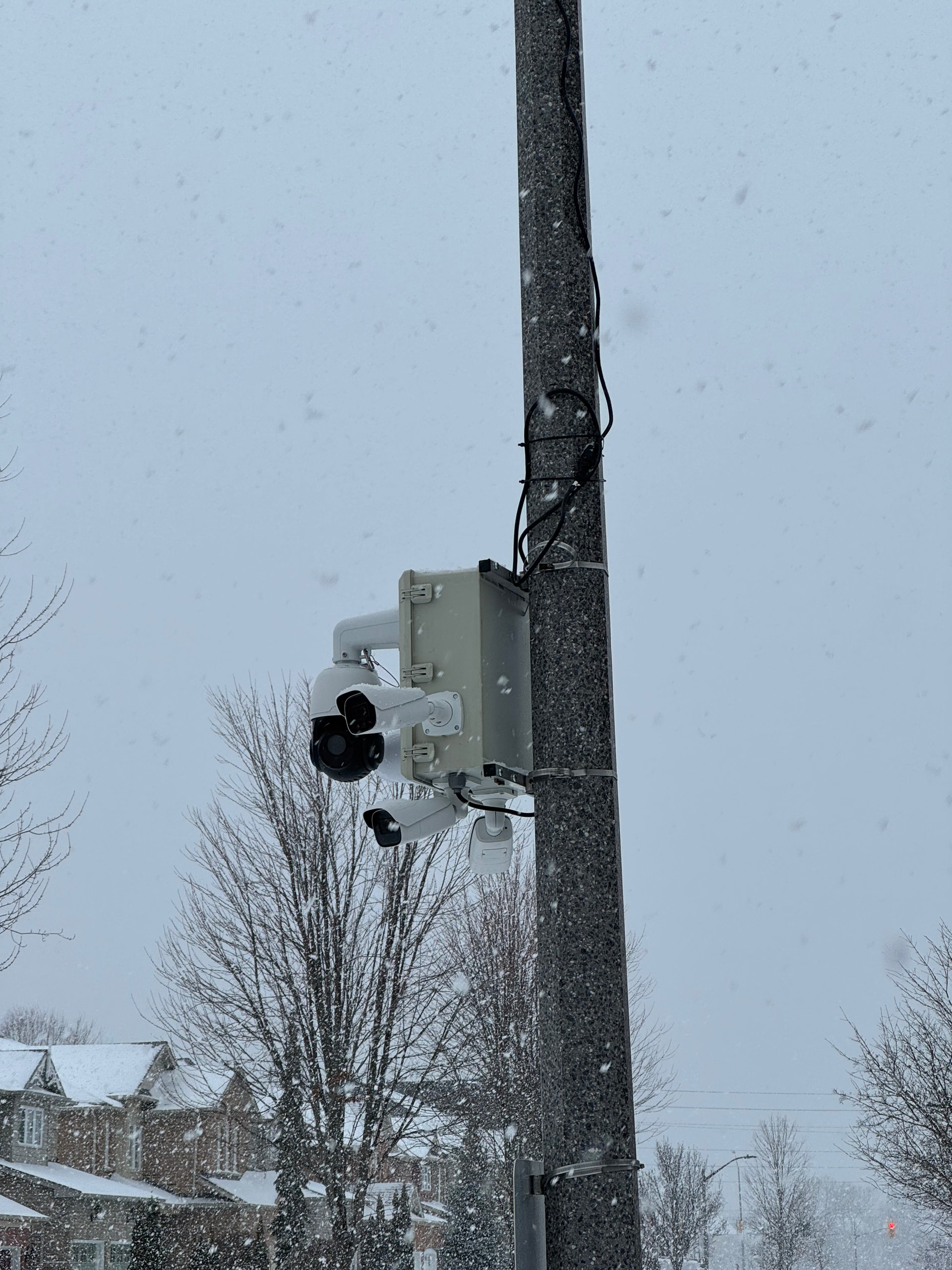
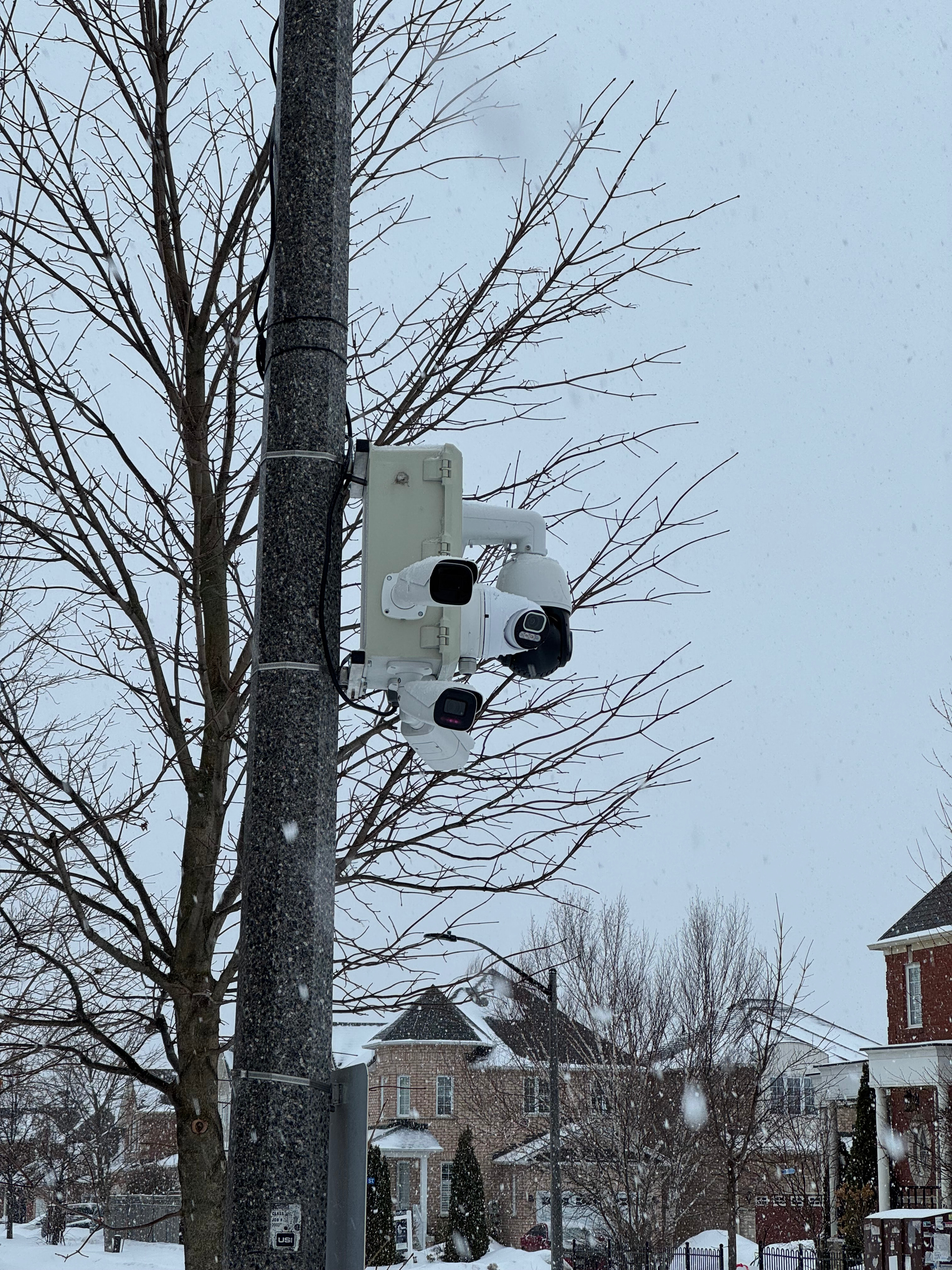
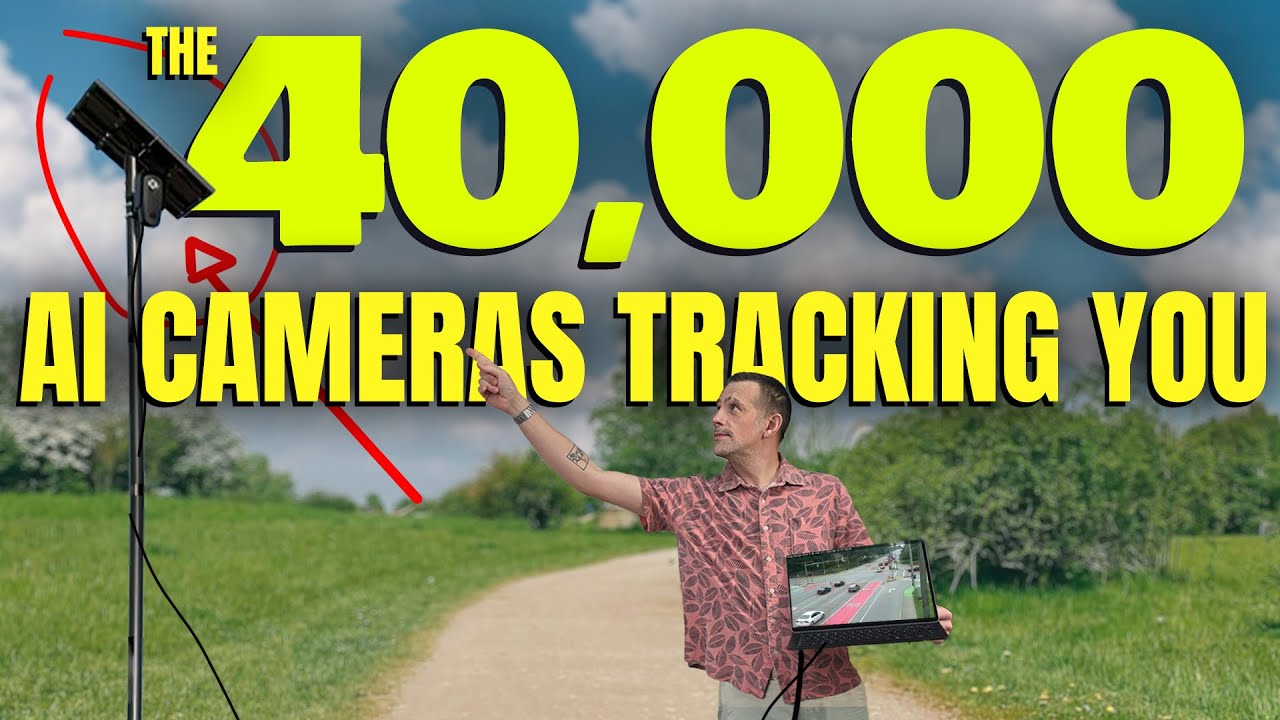
If you’ve noticed new cameras popping up along the streets, parks, and shopping centers where you live—and assumed they were just “traffic cams” or speed monitors—it’s time to look a little closer.
What appears to be innocuous municipal surveillance is likely part of a nationwide mass tracking system deployed by a for-profit company called Flock Safety. With every installation, these cameras are eroding our privacy, enabling warrantless tracking of everyday life, and creating a database that law enforcement and other agencies can search at the drop of a hat and with little transparency or oversight.
This network isn’t simply a “crime-fighting tool.” In reality, it’s a surveillance dragnet that captures everyone’s movements—literally—regardless of suspicion or even due process. And far too many local governments are installing and renewing contracts with Flock without truly understanding—or caring about—the costs to civil liberties and to taxpayers. Let’s take a look at what Flock cameras really are, why they’re dangerous, and how you can push back.
What Is Flock Safety—Really?
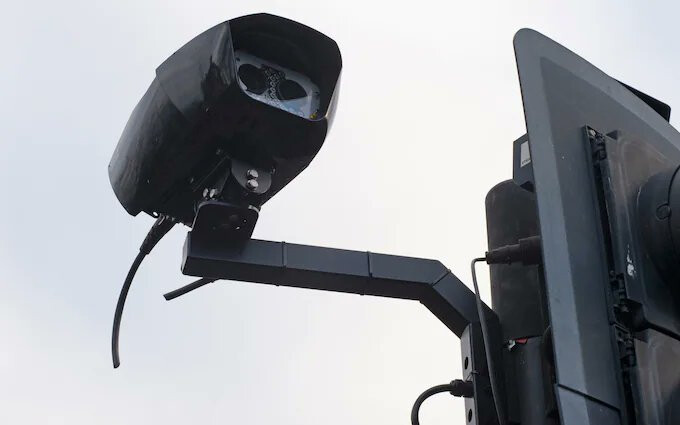
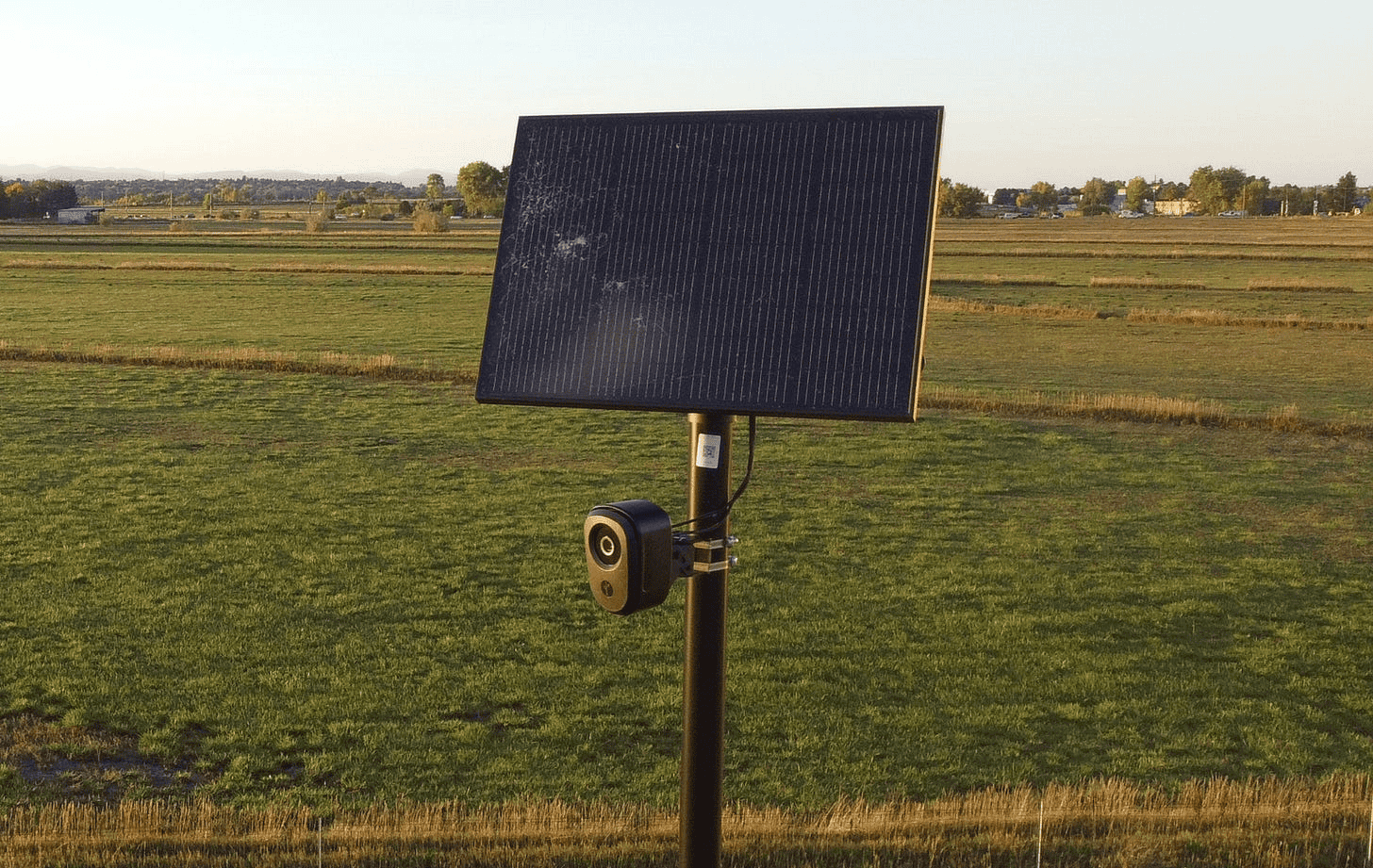
Flock Safety builds and sells automated license plate readers (ALPRs). These cameras are designed to automatically photograph every single vehicle that passes by and extract its license plate data—along with additional data like vehicle characteristics, including make, model, color, and even things like sticker placement and windshield angle.
Flock’s network of cameras logs millions of vehicles every day. And the volume is increasing rapidly as more and more Flock cameras are rolled out across the country.
These aren’t just cameras pointed at stop signs and busy intersections. They can go anywhere and constantly collect images of public or even private roads, logging:
- License plate numbers
- Time and location of every trip a vehicle takes
- Vehicle descriptors (color, model, stickers)
- And even historical patterns of movement
And it’s all done under the guise of improving safety. Flock pitches this technology as a “security solution,” arguing that its solar-powered, cloud-connected cameras are cheaper and easier to deploy than traditional ALPR systems. But this sales pitch masks a much more intrusive reality: Flock’s data feeds into a vast, searchable network of surveillance that even local law enforcement can browse as needed and without a warrant.
The growing network of Flock cameras was designed to be transparent and privacy-compliant in theory, but in practice, and as Deflock.org emphasizes, “unregulated video analysis can bypass legal safeguards” when deployed without oversight.
The Surveillance Dragnet: Capturing Everyone, Everywhere
Unlike human-operated cameras, ALPRs don’t discriminate between a suspected criminal and an ordinary person driving to work or a family heading to the local library. Every car that passes by a Flock camera is photographed and logged—every single one, every single day, everywhere.
Once collected, those license plate reads don’t just sit in a local database. Flock’s system allows:
- Multijurisdictional searching – Law enforcement anywhere in the network can query plates against other agencies’ data.
- Long-term retention – Data spanning weeks, months, or longer can be accessed, all without a judicial warrant.
- Cross-agency sharing – Local police can share their Flock data with hundreds of other agencies, often without community knowledge.
Here’s where it gets really alarming: Flock’s minimal hardware requirements mean it could be installed anywhere—on street corners, in parks, or even in private properties—without public awareness.
As the Electronic Frontier Foundation (EFF) and American Civil Liberties Union (ACLU) have warned, these multijurisdictional databases track the movements of cars across cities and states and are “ripe for abuse.”
If Flock and Flock-like systems are used without strict privacy protocols, we risk similar outcomes at scale. A list of additional ALPR camera vendors can be found here.
Does Flock Actually Reduce Crime?
Flock Safety markets its technology as a crime‑fighting tool. However, the data tells a different story. What they claim is a deterrent for vehicle theft, an aid in recovering stolen cars, and a source of leads for investigations is nothing but an invasion of privacy and a growing surveillance tool.
The company claims its system helps solve 10% of reported U.S. crimes. But independent research paints a very different picture:
- A study by the Independent Institute concluded that ALPR systems did not reduce automobile thefts or generate meaningful investigative leads, even in heavily monitored communities.
- In that study, less than 0.3% of ALPR hits translated into a useful investigative lead—and property owners paid hundreds of thousands of dollars for the surveillance!
- An EFF analysis shows that the massive Flock network generates very few hits relative to the volume of scans performed, raising serious questions about its cost-effectiveness versus privacy impact.
Most alarmingly, false positives have become a real and dangerous problem. The Independent Institute’s report documented cases where ALPR misreads led to wrongful police stops—such as a vehicle being misidentified as stolen, resulting in suspects (including innocent family members) being pulled over at gunpoint. In one U.S. city alone, false positives resulted in 14,000+ wrongful police alerts in one year. Poor ALPR accuracy endangers the civil rights of innocent citizens by generating incorrect alerts that law enforcement may act on.
These failures—both in effectiveness and in accuracy—raise massive questions about whether Flock’s surveillance cameras provide any real benefit to public safety at all.
We’re paying for mass surveillance that doesn’t meaningfully make our communities safer.
How Flock Data Gets Used—And Abused
These privacy risks aren’t just hypothetical. Examples from news reports and civil liberties groups show real misuse. And this is only what’s been reported on. Imagine what we don’t know about.
Warrantless Searches – In many jurisdictions, law enforcement officers don’t need a warrant to search historical ALPR data, meaning your movements can be tracked and traced without any oversight.
Cross-State Tracking and Abuse of Rights – In one documented case, a Texas sheriff searched more than 83,000 Flock cameras across state lines to locate a woman suspected of obtaining an abortion.
Immigration Enforcement – Despite claims that federal agencies don’t have access, U.S. Customs and Border Protection (CBP) accessed ALPR data in Illinois in possible violation of state law, according to state officials.
Protest and Political Surveillance – Analysis by EFF revealed that police have used Flock data with vague or misleading reasons that could mask surveillance of protesters or political activity. What about our First Amendment freedoms?
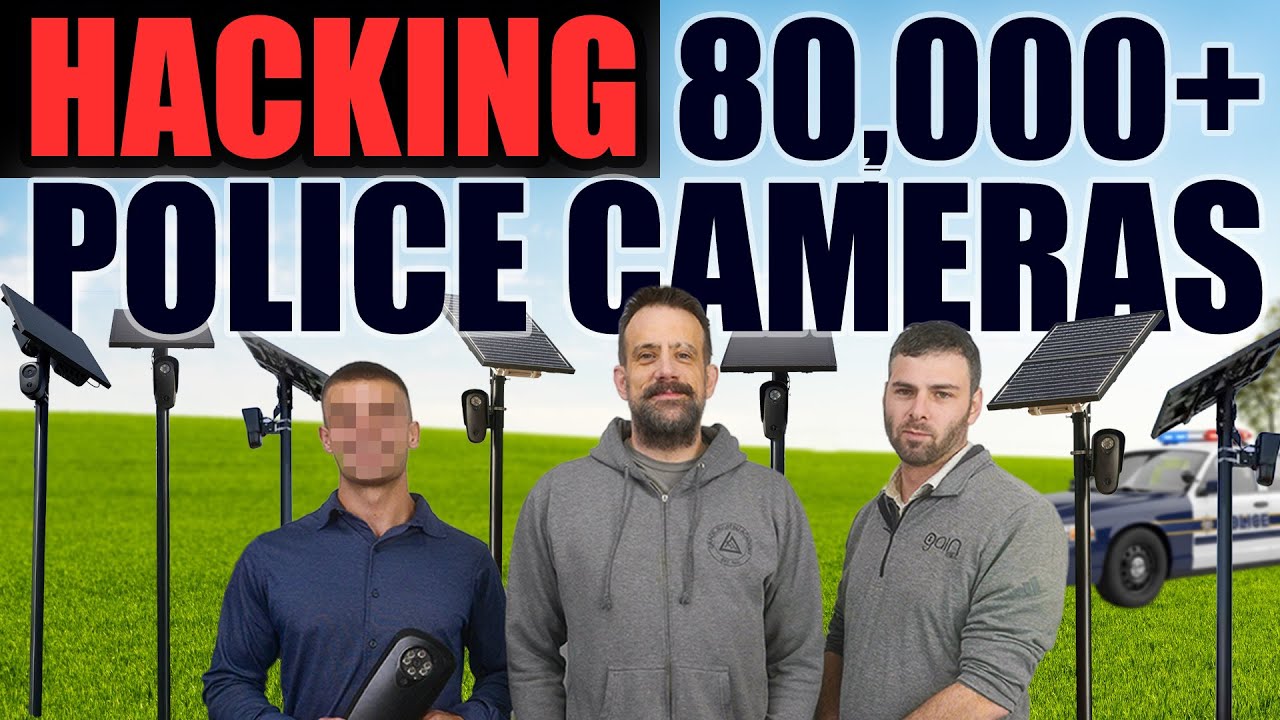
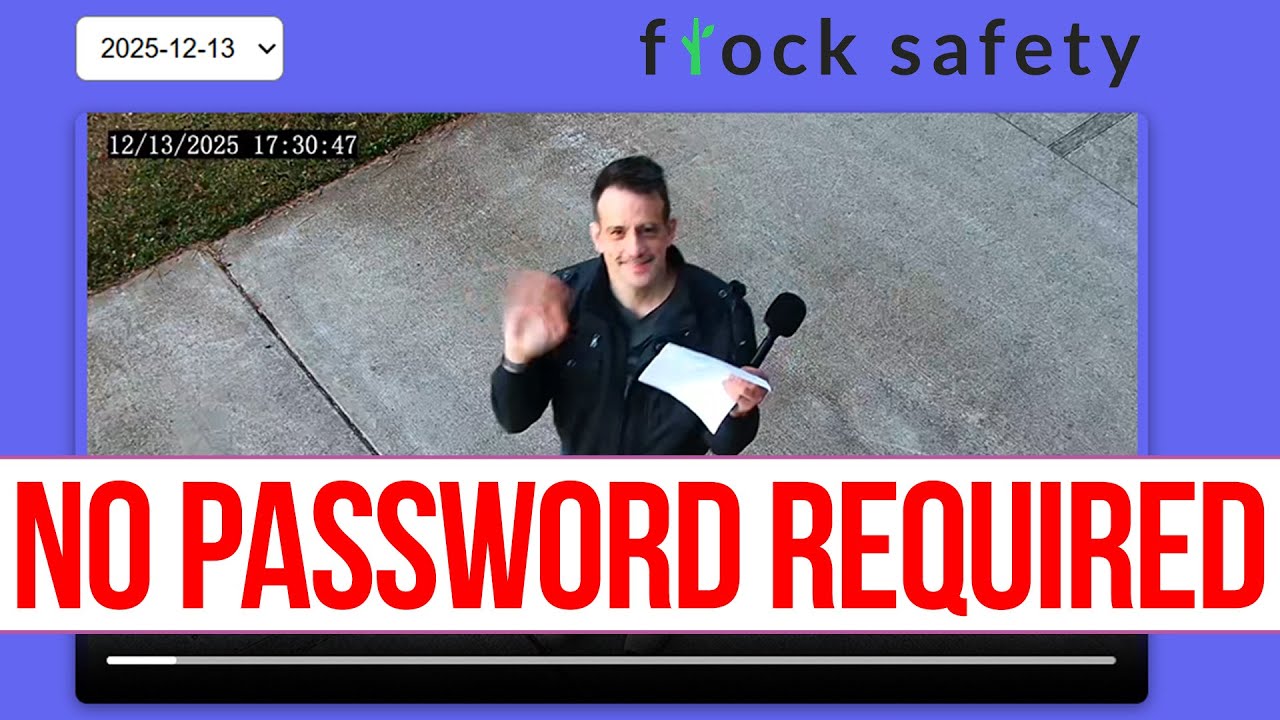
Unauthorized Access and Data Leaks – In recent months, dozens of Flock AI camera feeds were exposed online due to misconfiguration, allowing anyone to watch live footage and access administrative controls.
These realities expose profound constitutional and ethical concerns about how ALPR surveillance is deployed and accessed.
Weak Oversight, Poor Transparency
Part of what makes Flock’s system so dangerous is how it’s being implemented:
- Data ownership confusion: While Flock claims local agencies “own” the data, retention and access policies vary widely, leaving oversight inconsistent and potentially confusing.
- Lack of clear policies: Many police departments fail to publish clear ALPR use or retention policies, making it difficult for the public to know how data is used or shared.
- Opaque contracts: Some municipalities have allowed federal agencies or outside law enforcement access without any public disclosure.
In one case, efforts to obtain a police department’s ALPR policy resulted in heavily redacted documents that withheld key details about data sharing and retention. What are people supposed to think?
This lack of oversight turns what should be a public safety tool into a surveillance infrastructure operating in the shadows.
Awareness and Pushback Are Growing
The good news? People are waking up to these issues, educating others, and actually doing something about pervasive surveillance technologies.
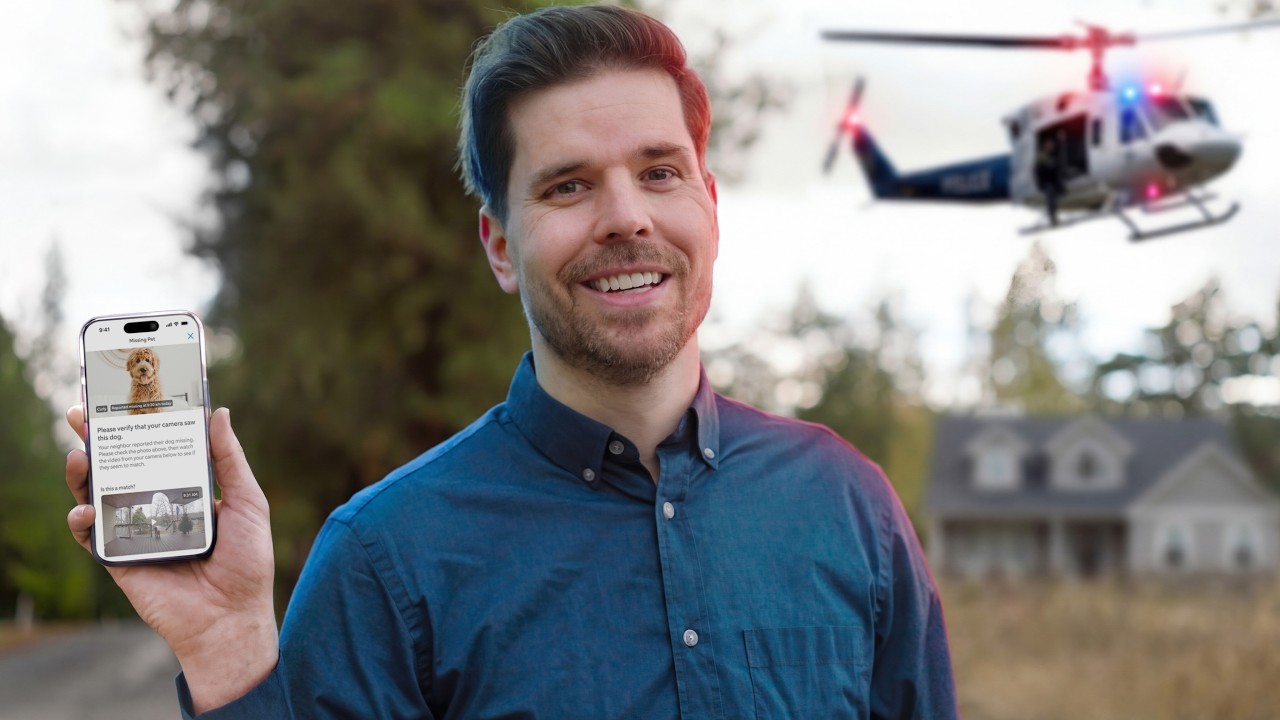
A recent Super Bowl commercial from Ring unexpectedly sparked a major backlash when it promoted the company’s new AI-powered “Search Party” feature that uses connected doorbell cameras to locate lost pets. Rather than boosting consumer confidence, the ad was widely criticized online as “creepy,” “dystopian,” and a troubling sign of mass surveillance creeping into everyday life.
Viewers expressed concern that the technology, which can be enabled across neighborhood cameras, could easily be expanded from finding dogs to tracking people—especially in light of Ring’s past data-sharing practices and partnerships with law enforcement tech companies.
Social media users even vowed to stop buying Ring cameras altogether, and lawmakers like U.S. Senator Edward Markey have publicly urged Amazon to end privacy-invasive features like facial recognition in Ring devices.
This unexpected consumer and civic pushback shows a growing public awareness of how connected cameras—whether on your front porch or atop a light pole—can erode our privacy and civil liberties. There is a growing desire to reclaim control over surveillance in our communities, even among people who happily welcomed things like Ring doorbells and Amazon Alexas into their homes.
When it comes to Flock, resistance is strong and growing:
- Cities like Austin, San Diego, and Norfolk are reconsidering or dismantling their Flock camera programs.
- Some jurisdictions are pausing cooperation with federal agencies pending investigation.
- Residents in Wisconsin and elsewhere have petitioned senators and local officials to suspend ALPR deployments and demand transparency.
ALPR systems can be rolled back when communities organize and protest their adoption.
A Step-by-Step Guide to Protecting Yourself and Your Community
If Flock cameras are in your town—or being proposed—here are six concrete steps you can take:
Educate Your Neighbors – Print fact sheets, share resources from advocacy groups like DeFlock and the ACLU, and organize your neighbors to discuss the risks. Awareness is the first step.
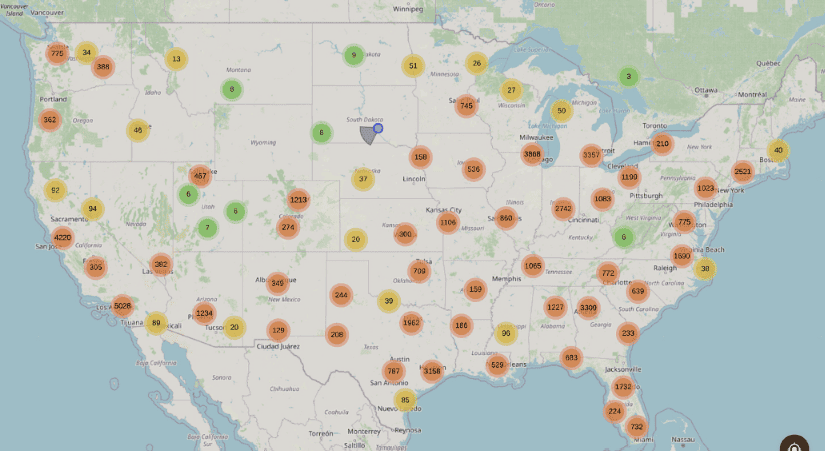
Map the Cameras – Use crowd-sourced transparency tools like Deflock.me to identify where cameras are deployed and how dense the network is in your area.
Demand Public Hearings – Contact your city council or police board and insist that any ALPR contract be subject to an open public debate with citizen input.
Insist on Strong Safeguards – If complete removal isn’t feasible, push locally for things like:
- Short retention periods (minutes, not months)
- Limits on sharing outside of your municipality
- Strict warrant requirements for historical searches
File Records Requests – Use public records laws to obtain ALPR policies, data-sharing agreements, and query logs. This can reveal a lot about how the system is actually used.
Join Advocacy Groups – Groups like DeFlock, EFF, and ACLU provide toolkits, legal support, and coordinated campaigns to challenge ALPR deployments—locally and nationally. Stay up-to-date with their work and consider getting involved.
A Future Without Pervasive ALPR Surveillance
Flock Safety markets its cameras as a crime-fighting tool that protects communities. But the truth—well documented by independent research, civil liberties advocates, and investigative reporting—shows a mass surveillance network that traps everyone in its web, often without transparency, accountability, or meaningful evidence of public safety benefits.
These cameras aren’t just points on poles—they’re portals into our daily movements, our choices, and our freedoms. And unless we act, they’ll continue to expand.
Flock off, Flock Safety. We’re taking back our streets, our privacy, and our rights.