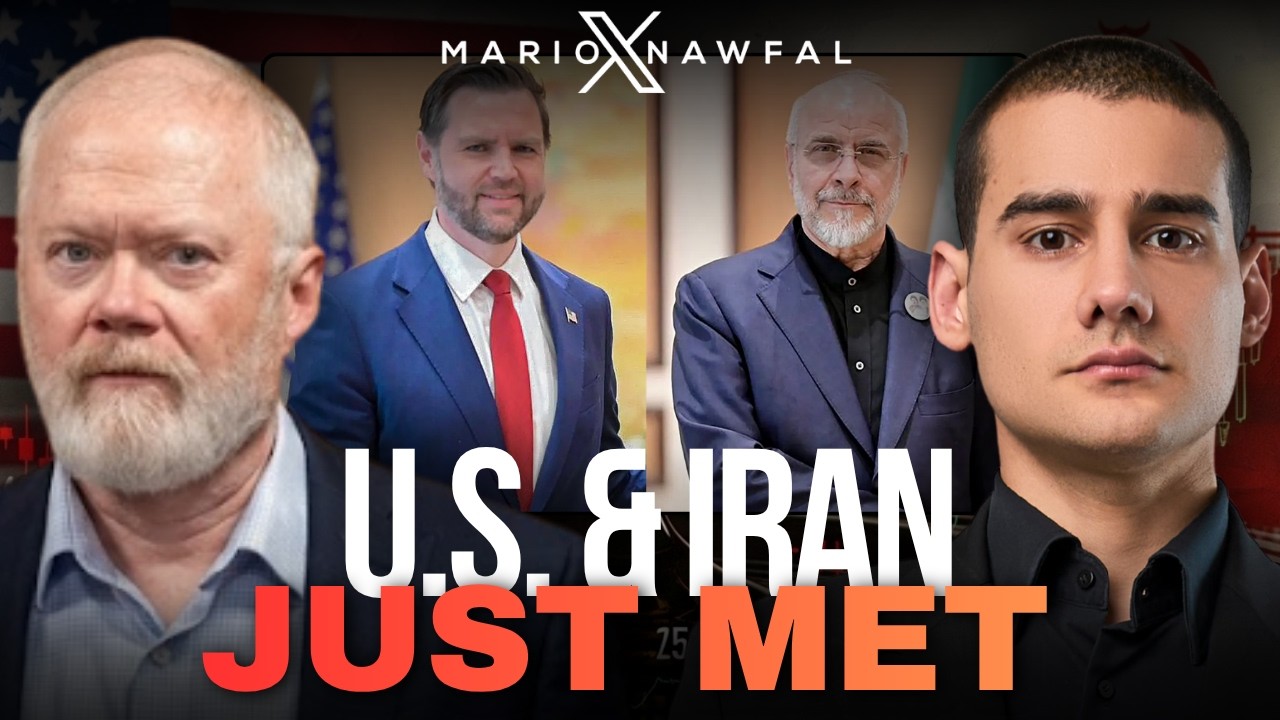
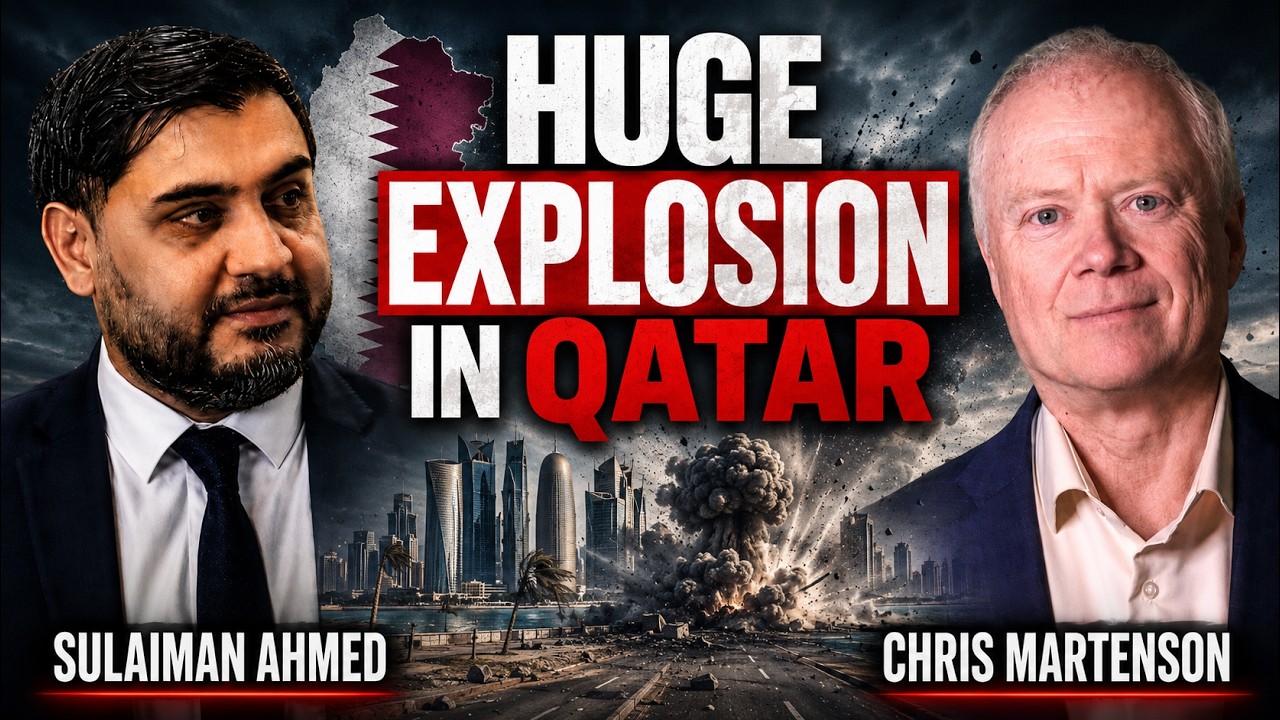
I recently appeared in interviews with Mario Nawfal and Sulaiman Ahmed. Mario and I discussed the tense negotiations between the US and Iran, Israel’s actions in Lebanon, the status of the Strait of Hormuz, and the broader risks to global energy markets and the economy. Sulaiman and I discussed the major explosion at Qatar’s Ras Laffan gas facility, oil reserve levels, LNG supply issues, attacks on energy infrastructure, and the potential for a serious global energy shock. Both interviews are below!
Not just you, the links did not get embedded in the text, if you go to the content side of the site by clicking on a tree logo, they are there under content.
Getting different perspectives is always useful. Thank you. I was hoping Trump could head-off the desire of radical elements to bring down the world along with themselves. I had actually felt relief when the MOU was agreed upon. It appears there are too many who are using their positions, from the media to government, in order fan strife, destruction of property, and war. Therefore, they are striking at the most vulnerable targets. As a precursor of what may happen in the developed world, I am watching the developing markets (South Africa and Congo) address inflation and the resulting social discontent. I suspect the credit markets will undergo increasing strain as the collateral behind credit is being targeted.
Again, thanks for the added perspectives.
Also there are 2 or different congo these days… part of insanely big region… anyway, that place has big problems and those will spill globally when chaos players go play around. Im not fan of that. That’s zionist thinking(meaning satanic global cult), not christian and we should be christian nations in west.
Yes, both the Congo and South Africa are big in terms of geographic size. However, both lack emergency fuel supplies. Lack of fuel equals lack of economic activity. Like in the developed countries, cities are not self sustaining. Instead they just concentrate resources. If the petroleum is not supplied, there will be civil and political strife both of which aggravate the situation. So, why has nothing much happened despite one billion barrels of oil never reaching the market? What does that fact imply. Up to this point, that 1 billion barrels has been removed from buffer stocks. Apparently those buffer stocks were safety measures, not operational requirements. That is why no real economic damage has occurred. As with all safety measures, their removal implies the probability of economic damage is rising in some fashion; linear or algorithmic. The consequences are rising similarly. Without the buffer stocks, consequences will happen much more suddenly than if the buffers were in place. Interpretation: Those missing 1 billion barrels have not precipitated a crash but instead increased the speed at which consequences might take place.
Hope I have been able to clarify.
 I was hoping Trump could head-off the desire of radical elements to bring down the world along with themselves. I had actually felt relief when the MOU was agreed upon. It appears there are too many who are using their positions, from the media to government, in order fan strife, destruction of property, and war. Therefore, they are striking at the most vulnerable targets. As a precursor of what may happen in the developed world, I am watching the developing markets (South Africa and Congo) address inflation and the resulting social discontent. I suspect the credit markets will undergo increasing strain as the collateral behind credit is being targeted.