Years ago, we started early to escape the heat, worming 120 some odd sheep. I used ivermectin pour on, transdermal, as a drench. Of course I was covered in ivm. That evening during my weekly shower I discovered a tick sunk into my scrotum. It was dead. The tick was dead not…
8 Likes
Yes I often struggle with brain fog, especially finding the proper word for something. Sometimes really common things, like “countertop”. It is worse if I’m out of balance - worked too hard for too long.
What helps me (symptom treatment, but at least I can work better) is to take nootropics like Onnit Alpha Brain, Qualia Mind or Qualia Focus.
I’ve had an episode where I was tired constantly, and was diagnosed with Lyme’s disease by a bio-resonance specialist. They said the infection happened some time ago and that I was lucky to visit them since regular doctors would not have anything to help me. But they did, with their bio-resonance therapy. They explained the basics of how it works, but I’m not sure I 100% buy it. On the other hand, the therapy seemed to work and after 6 weeks or so I was back to normal.
Have not experienced brain fog during my supposed Lyme’s chapter. That came on about two/three years later - indeed after covid, though I’ve never suspected a link. Haven’t been vaccinated and only had covid in Dec 2021, which I suspect was Delta.
Hope this helps some people and adds some anecdotal data to the discussion.
5 Likes
Deleted duplicate
Q and A with Grok 3
Is there any connection between cytokiene release and dopamine levels
Yes, there is a connection between cytokine release and dopamine levels, as they interact through complex neuroimmune mechanisms. Cytokines, which are signaling molecules of the immune system, can influence dopamine levels in the brain, and vice versa, particularly in the context of inflammation, stress, or neurological disorders.
Key Points:
- Cytokines and Dopamine Regulation:
-
Pro-inflammatory cytokines (e.g., IL-1β, IL-6, TNF-α) can reduce dopamine synthesis and release. They may inhibit dopamine production by increasing oxidative stress or disrupting enzymes like tyrosine hydroxylase, which is critical for dopamine synthesis.
-
For example, inflammation in conditions like Parkinson’s disease or depression is associated with elevated cytokines, which correlate with reduced dopamine levels in brain regions like the basal ganglia or prefrontal cortex.
- Dopamine’s Effect on Cytokines:
-
Dopamine can modulate immune responses by acting on dopamine receptors (D1-D5) expressed on immune cells. This can either promote or suppress cytokine release, depending on the receptor and context.
-
For instance, dopamine may reduce pro-inflammatory cytokine production in some cases by activating D2 receptors on immune cells, acting as an anti-inflammatory signal.
- Neuroinflammation and Psychiatric Conditions:
-
In disorders like depression, schizophrenia, or addiction, elevated cytokine levels (due to chronic stress or infection) are linked to altered dopamine signaling. This can manifest as reduced motivation, anhedonia, or cognitive deficits.
-
Studies suggest that cytokines can impair dopamine release in the reward system (e.g., nucleus accumbens), contributing to symptoms of depression.
- Bidirectional Feedback:
- The relationship is bidirectional: cytokines affect dopamine pathways, and dopamine influences immune responses. For example, dopamine release during stress can trigger cytokine production, which in turn may dampen dopamine signaling as a feedback mechanism.
Evidence from Research:
-
Parkinson’s Disease: Elevated cytokines (e.g., TNF-α) in the brain contribute to dopaminergic neuron loss, reducing dopamine levels.
-
Depression: Inflammatory cytokines disrupt dopamine in the mesolimbic pathway, linked to anhedonia and reduced reward processing.
-
Schizophrenia: Dysregulated dopamine and cytokine levels (e.g., IL-6) are implicated in altered neural signaling.
Clinical Implications:
-
Therapies targeting inflammation (e.g., anti-inflammatory drugs) may help restore dopamine balance in conditions like depression or Parkinson’s.
-
Dopamine-modulating drugs (e.g., antipsychotics or L-DOPA) can influence cytokine profiles, potentially affecting immune responses.
If you’d like me to dive deeper into specific studies, mechanisms, or clinical applications, or if you want me to search for recent findings on X or the web, let me know!
Is there any connection between dopamine levels and mast cells activation?
Yes, there is evidence suggesting a connection between dopamine levels and mast cell activation, though the relationship is complex and involves bidirectional interactions between the immune system and the dopaminergic system. Here’s a concise overview:
Key Points:
- Mast Cells and Dopamine Receptors:
-
Mast cells, which are immune cells involved in allergic and inflammatory responses, express dopamine receptors (e.g., D1 and D2-like receptors). Dopamine can directly influence mast cell activity by binding to these receptors.
-
Activation of dopamine receptors on mast cells may modulate their release of mediators like histamine, cytokines, and chemokines. For example, dopamine can inhibit mast cell degranulation in some contexts, reducing inflammatory responses.
- Mast Cell Mediators Affecting Dopamine:
-
Mast cells release pro-inflammatory cytokines (e.g., IL-6, TNF-α) and other mediators during activation, which can influence dopamine levels in the brain. These mediators may reduce dopamine synthesis or signaling, particularly in neuroinflammatory conditions.
-
For instance, mast cell-driven inflammation in the brain (e.g., in neurodegenerative diseases or stress-related disorders) can impair dopaminergic neurons or alter dopamine release in areas like the prefrontal cortex or basal ganglia.
- Neuroimmune Crosstalk:
-
Mast cells are found in the brain and peripheral tissues, and their activation can contribute to neuroinflammation, which is linked to altered dopamine levels in disorders like Parkinson’s disease, schizophrenia, or depression.
-
Conversely, dopamine release (e.g., during stress or reward processing) may modulate mast cell activity, potentially amplifying or suppressing immune responses depending on the context.
- Specific Contexts:
-
Allergic and Stress Responses: Mast cell activation in allergic reactions or chronic stress can increase cytokine release, which may disrupt dopamine signaling, contributing to symptoms like fatigue or reduced motivation.
-
Neurological Disorders: In conditions like Parkinson’s, mast cell activation in the brain may exacerbate dopaminergic neuron loss through inflammatory mechanisms, further reducing dopamine levels.
Evidence:
-
Studies have shown that dopamine can inhibit mast cell degranulation in vitro by acting on D2 receptors, suggesting a regulatory role (e.g., in allergic inflammation).
-
In neuroinflammatory conditions, mast cell-derived cytokines and histamine may impair dopamine production by increasing oxidative stress or disrupting tyrosine hydroxylase activity.
-
Research on mast cell-related disorders (e.g., mastocytosis) suggests that systemic inflammation can affect brain dopamine systems, potentially contributing to neuropsychiatric symptoms.
Clinical Implications:
-
Therapies targeting mast cell stabilization (e.g., antihistamines or cromolyn) might indirectly support dopamine balance in inflammatory conditions.
-
Dopamine-modulating drugs could influence mast cell activity, potentially affecting immune responses in allergic or neuroinflammatory disorders.
If you want me to search for specific studies, recent findings on X, or dive deeper into a particular aspect (e.g., mechanisms in a specific disease), let me know!
What relationships exist between dopamine levels, inflammation and having a hard time finding the words when speaking.
The relationships between dopamine levels, inflammation, and difficulty finding words when speaking (often referred to as word-finding difficulty or anomia) are interconnected through neuroimmune and neurocognitive mechanisms. Below is a concise explanation of how these factors interact, with a focus on their impact on language and speech.
- Dopamine Levels and Word-Finding Difficulty
-
Role of Dopamine in Language: Dopamine is critical for cognitive functions, including language processing, verbal fluency, and executive control. It modulates activity in brain regions like the prefrontal cortex and basal ganglia, which are involved in word retrieval and speech production.
-
Low Dopamine Effects: Reduced dopamine levels, as seen in conditions like Parkinson’s disease, depression, or dopamine depletion (e.g., from stress or medication), can impair verbal fluency, leading to hesitations, pauses, or difficulty finding the right words. This is because dopamine supports working memory and the ability to access lexical (word) representations efficiently.
-
High Dopamine Effects: Excessive dopamine, as in schizophrenia or certain drug-induced states, can also disrupt word retrieval by causing disorganized thought patterns or over-activation of irrelevant associations, leading to speech errors or tangentiality.
- Inflammation and Dopamine
-
Cytokine Impact on Dopamine: Pro-inflammatory cytokines (e.g., IL-1β, IL-6, TNF-α) released during inflammation can reduce dopamine synthesis and release. They do this by:
-
Increasing oxidative stress, which damages dopaminergic neurons.
-
Inhibiting enzymes like tyrosine hydroxylase, essential for dopamine production.
-
Disrupting dopamine signaling in regions like the striatum or prefrontal cortex.
-
-
Neuroinflammation and Brain Function: Chronic inflammation, as seen in conditions like depression, Parkinson’s, Alzheimer’s, or autoimmune disorders, can impair neural circuits involved in language and cognition, exacerbating word-finding difficulties.
-
Mast Cells and Inflammation: As noted in your previous question, mast cell activation (a source of inflammatory mediators like cytokines and histamine) can contribute to neuroinflammation, further reducing dopamine levels and affecting cognitive processes like word retrieval.
- Inflammation and Word-Finding Difficulty
-
Direct Effects of Inflammation: Inflammation in the brain can impair regions critical for language, such as the left temporal lobe (involved in semantic processing) and prefrontal cortex (involved in executive control of speech). Cytokines can disrupt neural connectivity, slowing word retrieval or causing tip-of-the-tongue phenomena.
-
Neurodegenerative and Psychiatric Contexts: In conditions like Alzheimer’s, multiple sclerosis, or post-stroke aphasia, inflammation exacerbates cognitive deficits, including difficulty finding words. For example, microglial activation (a source of inflammation) in these disorders can impair language-related neural networks.
-
Systemic Inflammation: Even peripheral inflammation (e.g., from infections or autoimmune diseases) can affect brain function via cytokine signaling, leading to cognitive symptoms like word-finding difficulty, often described as “brain fog” in conditions like chronic fatigue syndrome or long COVID.
- Interconnected Mechanisms
-
Dopamine-Inflammation Feedback Loop: Inflammation reduces dopamine, which impairs cognitive functions like word retrieval. Conversely, low dopamine can exacerbate inflammation by reducing the brain’s ability to regulate immune responses, creating a vicious cycle.
-
Impact on Language Networks: Word-finding difficulty often stems from impaired connectivity between the prefrontal cortex, temporal lobe, and basal ganglia, all of which are sensitive to dopamine and inflammation. For example:
-
In Parkinson’s disease, dopamine depletion and inflammation in the basal ganglia lead to slower speech and word-finding issues.
-
In depression, inflammation reduces dopamine in the reward and prefrontal areas, contributing to cognitive slowing and anomia.
-
-
Stress as a Mediator: Chronic stress increases both inflammation (via cortisol and cytokine release) and dopamine dysregulation, which can manifest as difficulty articulating thoughts or finding words, especially under pressure.
- Clinical and Real-World Examples
-
Parkinson’s Disease: Patients often experience word-finding difficulties due to low dopamine and neuroinflammation, particularly in the basal ganglia, which affects speech planning and execution.
-
Depression and Anxiety: Elevated cytokines and reduced dopamine in the prefrontal cortex can cause cognitive slowing, making it hard to find words during conversations.
-
Post-Infection or Autoimmune Conditions: Conditions like long COVID or lupus involve systemic inflammation that impairs dopamine and cognitive function, leading to symptoms like brain fog and word-finding struggles.
-
Aging and Mild Cognitive Impairment: Age-related inflammation and declining dopamine levels can contribute to tip-of-the-tongue experiences, a common complaint in older adults.
- Potential Mechanisms and Pathways
-
Oxidative Stress: Inflammation increases reactive oxygen species, damaging dopaminergic neurons and impairing language-related circuits.
-
Blood-Brain Barrier: Inflammation can disrupt the blood-brain barrier, allowing cytokines to enter the brain and affect dopamine and language regions.
-
Glutamate-Dopamine Imbalance: Inflammation may disrupt the balance between dopamine and glutamate, affecting neural circuits for speech and cognition.
- Clinical Implications
-
Anti-Inflammatory Interventions: Reducing inflammation (e.g., with anti-inflammatory drugs, diet, or lifestyle changes) may improve dopamine function and alleviate word-finding difficulties in some cases.
-
Dopamine-Targeted Therapies: Medications like L-DOPA (for Parkinson’s) or stimulants (for ADHD or depression) can enhance dopamine levels, potentially improving verbal fluency.
-
Cognitive Training: Speech therapy or cognitive exercises targeting executive function may help mitigate word-finding issues, especially when dopamine or inflammation is a factor.
-
Mast Cell Stabilizers: As mentioned in your previous question, stabilizing mast cells (e.g., with antihistamines or cromolyn) could reduce inflammation and indirectly support dopamine and language function.
- Limitations and Research Gaps
-
The exact mechanisms linking inflammation, dopamine, and word-finding difficulties are not fully understood, especially in non-disease states (e.g., stress-related anomia).
-
Most evidence comes from clinical populations (e.g., Parkinson’s, depression), so less is known about these interactions in healthy individuals experiencing occasional word-finding issues.
If you’d like me to search for recent studies or posts on X about this topic, or if you want a deeper dive into a specific condition (e.g., Parkinson’s, depression, or long COVID), mechanisms, or treatment options, let me know! I can also provide a more detailed neurobiological explanation or explore related questions.
Disclaimer: Grok is not a doctor; please consult one. Don’t share information that can identify you.
8 Likes
I may have more to say soon about DMSO - hematoxylin for cancer… 6 months ago we put our dog on the Joe Tippens protocol “plus” with the usual set of additional supplememts. She noticeably improved which is almost unheard of for hemangiosarcoma which is usually fatal within weeks of diagnosis. But it only lasted a few months and she continued her downward trajectory with a noticeable increase in the tumor.
I made up some D hematoxylin and am injecting it in her myself since no vet wants anything to do with it. It’s only been a few days and the very large tumor (maybe 1/4 her body weight) is still there, but her behavior has improved markedly. She was previously going downhill lying in bed all day. Now she is energetic and just wants long walks. And it’s only been 4 days.
16 Likes
Just an intetesting tendonitis story, not related to dmso. People used to say tendonitis is ultimately incurable, you will have it forever. Years ago I badly injured my patellar tendon almost to rupture, I couldn’t walk for 6 months. I gradually rebuilt it. 2 weeks ago I competed in a crazy 1400 m, 16 km running race up a mountain in Vancouver. Afterwards, everywhere in my body hurt… except my patellar tendon…
8 Likes
Good fortune to you, @the-righterzpen. I admire immensely your efforts to better your and your son’s health.
4 Likes
I had brain fog about a year before the plandemic unfolded.
What cleared it up for me was taking 600mg of NAC. I started taking it every couple of days, and in less than a week I felt tremendous mental clarity again.
11 Likes
While we’re on the subject of ticks, don’t forget about alpha-gal syndrome. Transmissible by ticks, it makes you allergic to red meat for… well, we don’t know how long. Years, maybe decades, maybe forever. There was a thread rolling on this last year: https://tribe.peakprosperity.com/t/alpha-gal-syndrome-tick-bite-red-meat-allergy-carrageenan/39489/17
3 Likes
The last time I talked with my adult (50 year old) son, he mentioned he would like to eat a burger, but for the past year or so he gets sick and vomits if he eats red meat. I told him I remembered seeing an article about a tick bite causing an allergic reaction to red meat. I did some online research and found Alpha-gal is caused by the Lone Star tick.
Yes, ticks are abundant this year picked several Dog ticks off my wife and I from just working in the garden and yard work.
6 Likes
Yes, I can identify! I’m glad this is a topic. I thought it was just normal aging, like maybe your brain has a limited capacity and with so much new information coming in all the time these days, some stuff has to go out to make space. Anyway, this literally happened to me this afternoon at my neighborhood pool. My January 2024 spine surgery came up as a topic of conversation and a friend of a friend asked me the name of the surgeon who did it. There should have been no time delay - believe me, I researched the heck out of this guy beforehand and yet I couldn’t for the life of me remember his name on the spot. It was like my brain was searching thru a rolodex and coming up empty. It was almost embarrassing. As soon as I got out of the pool and had a moment to myself, I remembered instantly. This happens more than I would like in recent years and is just one example. I’ve never had covid to my knowledge but did get the J&J jab to keep my job sadly. It worries me somewhat because my mom passed in Nov. 2023 from a level 4 glioblastoma at the age of 74. Against my advice not to, she got the Pfizer jabs and I’m convinced that’s the cause. It’s hard not to be extremely bitter about it.
But yes, brain fog! I called a colleague that I’ve known for a decade Cheryl instead of Janine (embarrassing!). Where did that come from?
8 Likes
I think that was my OP. I can update that I can eat some red meat now without the gastro distress. I take smaller portion of higher quality red meat, and only on occasion. I tested eating it with some frequency and found the inflammation kicked in quickly and the gi situation ramped up over time.
For now I am just very happy that if I get a craving I can order a small portion while out or buy myself a nice little streak occasionally. I don’t waste these opportunities on fast food or mediocre offerings. My last indulgence was bison short ribs that were super tender and had the perfectly sticky bit of fat attached.
I went without red meat for nearly 2 years. I started with limited dairy also, but tested that sooner because I did not have the typical allergy symptoms, that is I was not afraid of anaphylaxis. Dairy was tolerated in moderation so it was easier to forgo red meat as long as I did.
Feeling grateful, even if it’s still not over for me.
3 Likes
It’s “a thing.”
Here’s a highly relevant Tweet I just came across:
18 Likes
Other suspects:
-5G
-Plastic ( it’s said we ingest a credit cards worth of plastic every week)
-Poor Nutrition ( depleted soils, processed food, factory farmed animals)
-Poor Sleep (ironic, as we’ve never had better conditions conducive to good sleep, such as our bedding, indoor climate control, and the elimination of predators and insects
-Diminished contact w nature
-Decreased face to face interaction
-Chemicals, from pesticides sprayed on our foot to those in soaps, shampoos, body creams, makeup, cleaning solutions, on and on
All told, humans are living increasingly unnatural lives. Is it really any surprise our brain health is on the wane?
15 Likes
You know, it’s almost as if we’re under attack. If we were, how would we know?
For me an attack is something that (at a minimum) leaves me weakened or in a vulnerable state.
So…I’m just going to leave these clues here, and save my deeper dive for a report.
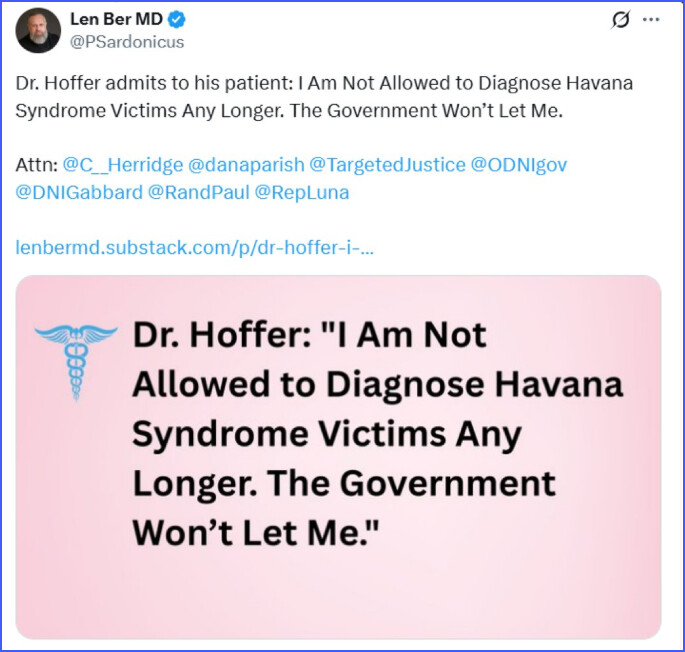
https://x.com/dotconnectinga/status/1935048080094589284
15 Likes
This makes me wonder how many humans in the Matrix™ can unplug themselves long enough to enjoy the simple beauty this planet has to offer. An evening thunderstorm for example.

28 Likes
When that, or a nice sunset or sunrise is taking place, I drop whatever I’m doing and take it all in. Some of the best—and most therapeutic things in life— are free.
12 Likes
I would enjoy,as would my farm, an evening thunderstorm.
4 Likes
A good example of how “what you don’t know you don’t know” can put a different slant on analyzing the cause(s) of the brain fog discussed in this topic!
2 Likes
Fated, not taking your comment lightly, but add my comment to your tab.