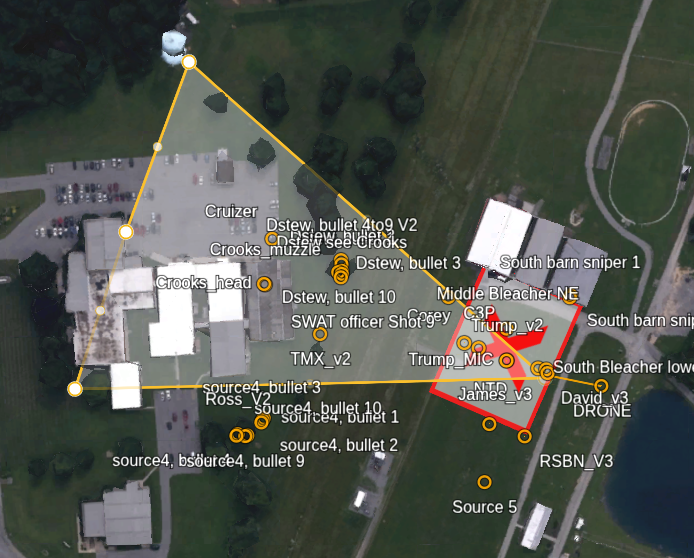
These lines cannot help to understand the problem. You should draw growing circles instead.
What You’re Dealing With
When a gun is fired, there are typically two distinct sounds:
Muzzle Blast: The explosion of gases escaping from the barrel.
Sonic Boom (only with supersonic bullets): A shockwave caused by the bullet breaking the sound barrier.
You’re standing perpendicular to the trajectory, 100 yards away. Let’s consider how sound travels:
Sound Speed Basics
Speed of sound in air: ~343 m/s (1,125 ft/s)
Supersonic bullet: >343 m/s
Subsonic bullet: <343 m/s
Subsonic Scenario
No sonic boom occurs.
The only sound you’ll hear is the muzzle blast, which travels at the speed of sound toward your position.
Since you’re 100 yards (~91 meters) away, you’ll hear that blast about 0.26 seconds after the shot is fired.
So yes, you’d hear the muzzle blast first—and it’s the only sound that travels to you.
Supersonic Scenario
Here it gets more interesting:
The bullet creates a shockwave, forming a Mach cone behind it.
This cone radiates outward and sideways. Since you’re off to the side, you’re likely inside that cone as it passes.
What reaches you first?
If you’re directly perpendicular, the bullet reaches the point closest to you before the sound waves do.
But—because the shockwave moves with the bullet—it can intersect your location before the sound of the muzzle blast does.
Here’s the twist:
Bullet travels faster than sound.
The sonic boom (shockwave) can reach you before the muzzle blast, depending on how wide the Mach cone is and how quickly the bullet covers the perpendicular distance.
So in the supersonic case: It’s absolutely possible the sonic boom hits your ears before the muzzle blast.
okay, forget it - i missed an important constraint
Bullet Trajectory: Straight up along positive y-axis
Your Position: (100, 0)—so you’re still 100 yards away, but lateral, not downrange
Supersonic Bullet Case
Now comes the interesting part:
The bullet heads away from you—not toward you—but since it’s supersonic, it generates a Mach cone as it moves.
You’re off to the side, so your position intersects the expanding shockwave after the bullet travels some distance.
Which sound reaches you first?
The muzzle blast still starts from (0, 0) and travels directly toward you at 343 m/s.
The sonic boom, however, is generated by the bullet once it has traveled some distance forward, say y, and radiates outward in a cone.
For your position to intersect that shockwave:
The bullet must travel far enough along the y-axis that the cone intersects point (100, 0).
This means the muzzle blast has a head start in reaching you.
So in this specific geometry: The muzzle blast will almost always reach you before the sonic boom, especially since the bullet is traveling away from you and the Mach cone takes time to reach your lateral position.
However!
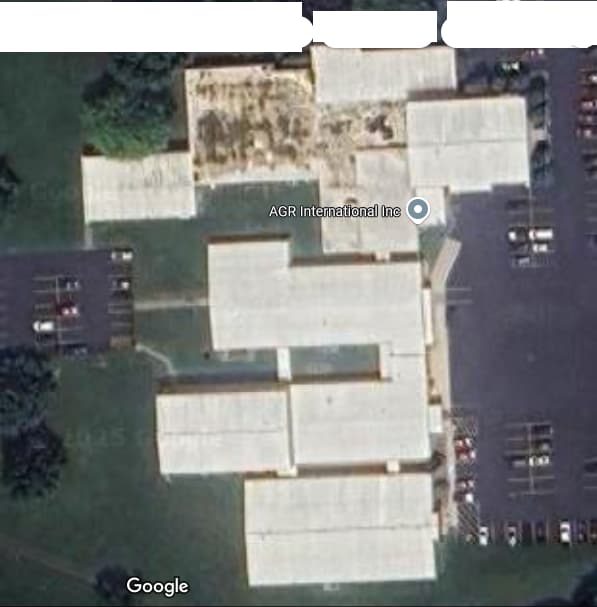
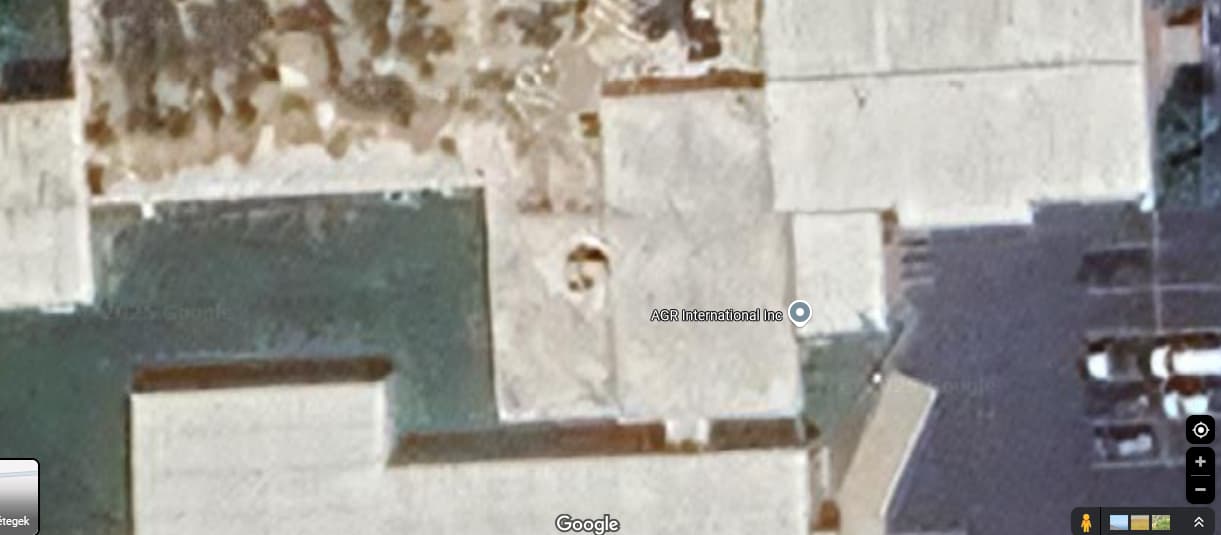
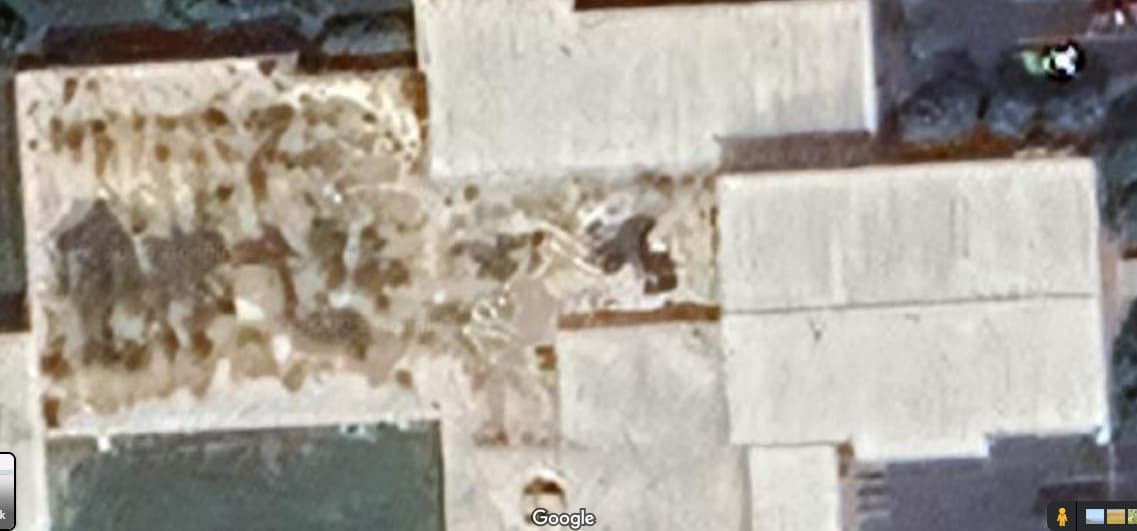
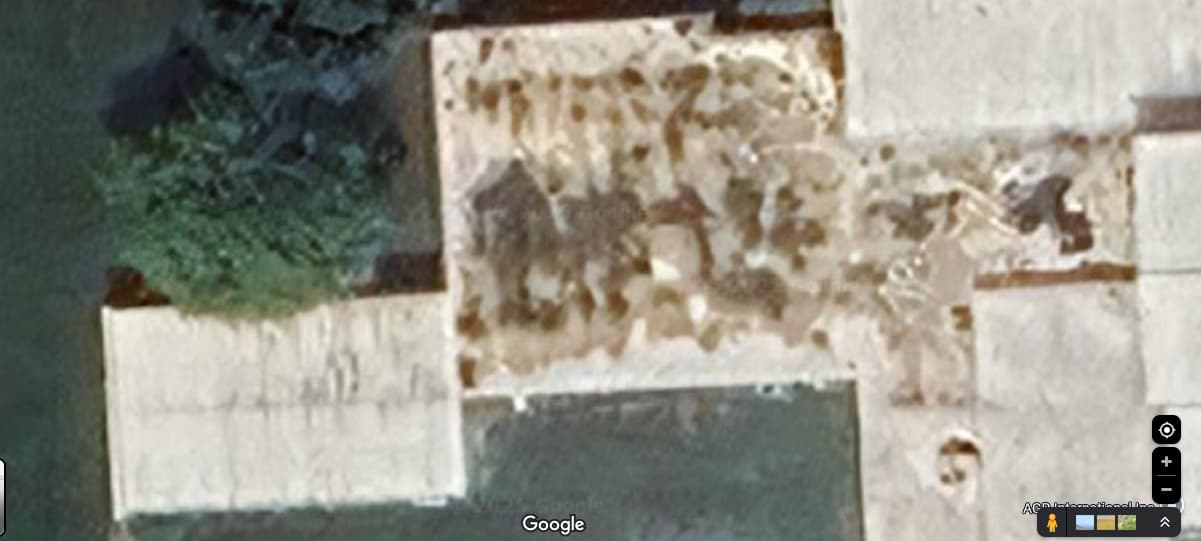
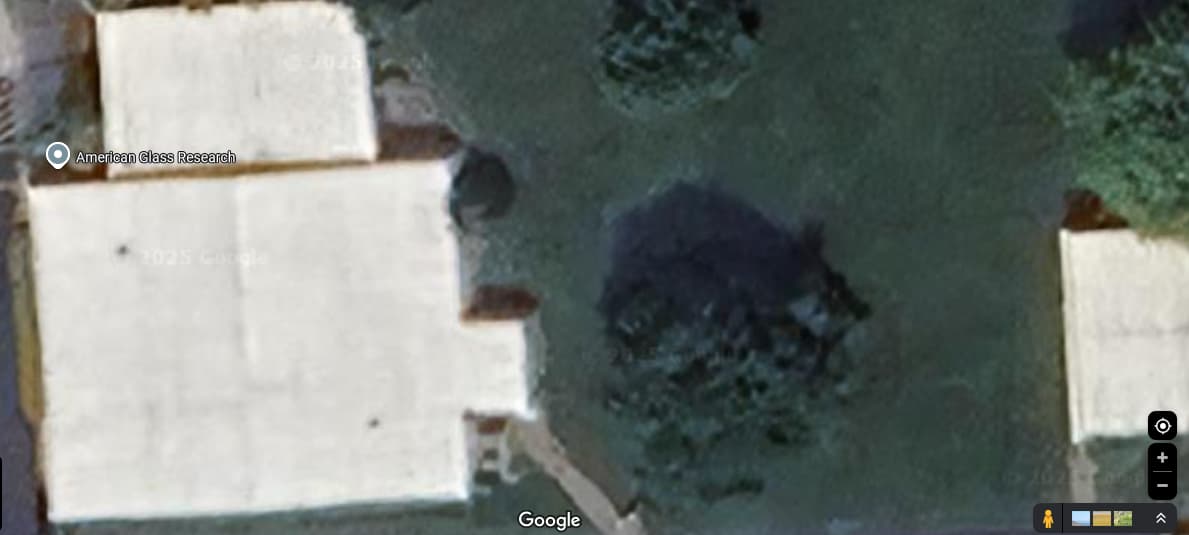
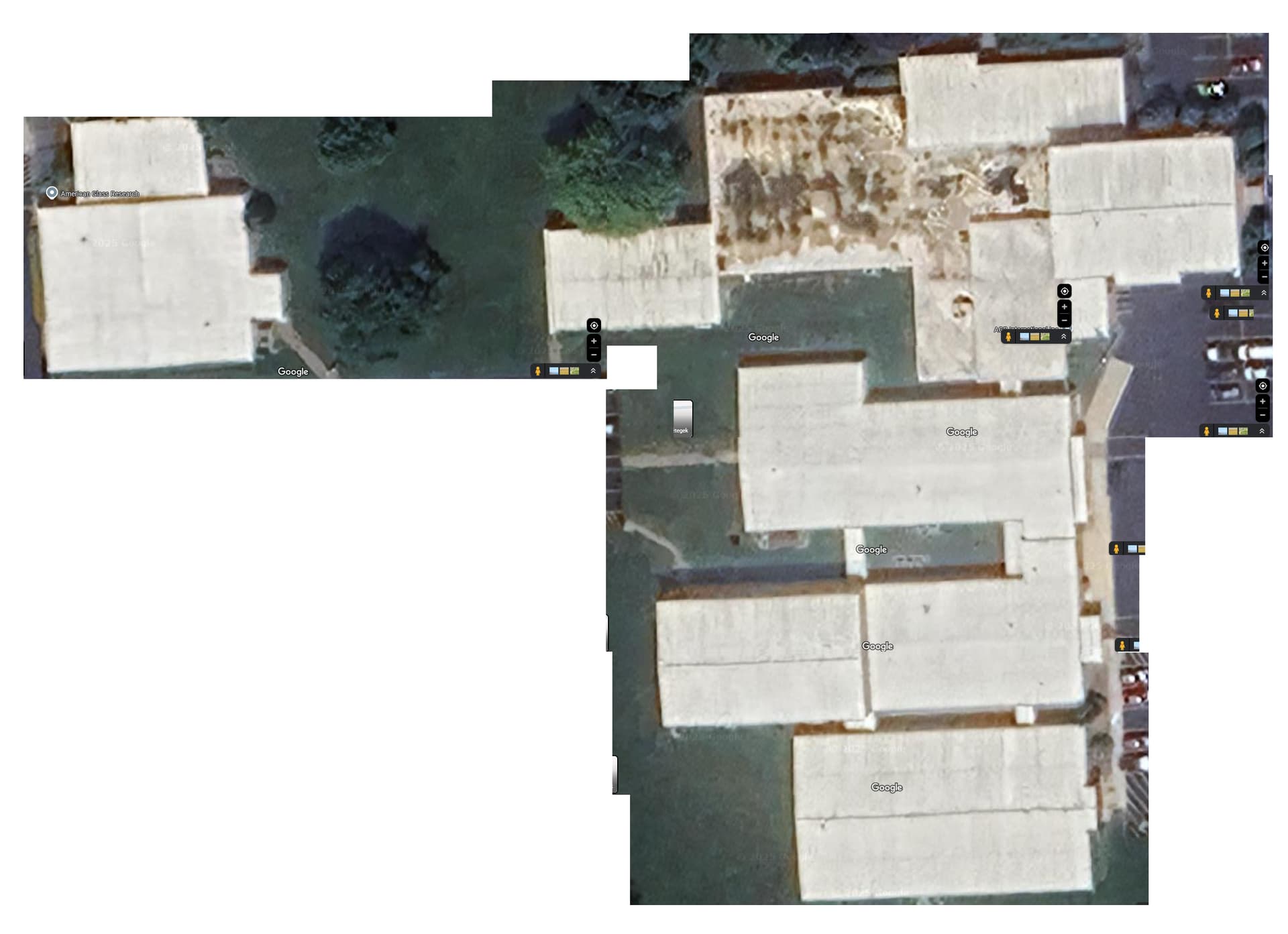
When the blast came not from AGR6 rooftop but behind (e.g. AGR9 rooftop), in that case unforget the strikethrough part from former post.
When Crooks fired a supersonic bullet, a sonic boom should be audible on the Ross/TMZ/Source3 recording.
However, in this case, the sonic boom should have reached the microphone after the report. The snick-boom time should therefore be negative and very small.
If the bullet was fired from the rear two-story building and timed so that the bullet was in the air exactly where Crooks’ bullet would have been, there should be no difference between the snick and the boom on the Ross/TMZ/Source3 recording (at least significantly smaller). At least in theory.
However, since the front two-story building stands between Ross/TMZ/Source3 and a bullet from the rear two-story building, the sonic boom should reach Source3 with a slight delay.
However, in the recordings by Dayve Stewert and TMX, this delay should not be present if the bullet was fired from the rear building.
Statements 4 and 5 are probably irrelevant, because the front two-story building was probably not directly in the path of the sonic boom.
Theoretically, it should be possible to measure whether the bullet was fired from Crooks or from the rear two-story building based on differences in the snick-boom times between the recordings by Dayve Stewert and TMX on the one hand and the recording by Ross/TMZ/Source3 on the other.
This is probably only true if the distance between the microphone and the x-axis is less than the bullet needs to travel in order for the sonic boom to occur.
Unfortunately, this is probably not the case with Source3.
However, this would be very difficult to determine due to the very small differences, probably in the low single-digit millisecond range, and the very small gap between Snick and boom on Source3.
Can your AI calculate the distance the bullet must travel before a sonic boom occurs?
Generally I agree, but this is not an MT (empty) field. This is rather a complicated case of reflections on building structures.
(Similarly, the geometrical optics can be good approximation for simplest cases. However, sometimes the Maxwell equations give more precize solutions. - In case of acoustics, there are differential equations, which can be derived from ideal gas laws.)
First we might try acoustic “ray” traces. However, the diffraction at building edges makes it complicated.
Well, teachers told me a problem about digital simulations - but they did not tell me how to deal with that.
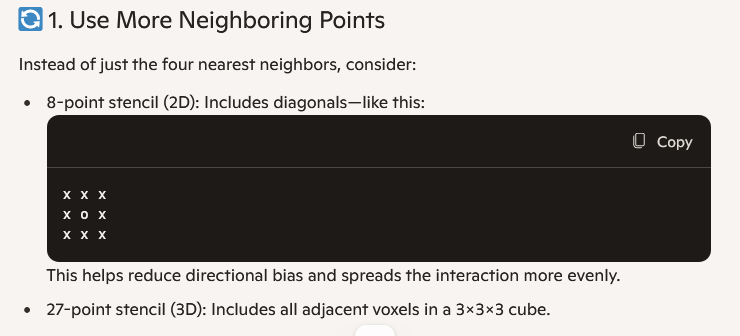
In the digital grid, the smallest circle looks like this:
Ah, yes—you’re describing a fundamental issue in discrete simulations: anisotropy caused by grid bias. When modeling wave propagation on a square or cubic lattice, the grid inherently favors the main axes (e.g., horizontal and vertical in 2D), making waves travel faster or more clearly in those directions.
2. Use Finite Difference Schemes With Isotropy Correction
Some schemes add correction terms to minimize directional bias:
Higher-order finite differences: Incorporating second or fourth-order derivatives smooths out the simulation.
Compact schemes: Use weighted averages of more points to improve isotropy without needing a huge stencil.
great, but that changes the physics
3. Switch to Different Grids or Tessellations
Regular grids aren’t your only option:
Hexagonal grid in 2D: More symmetric in all directions; often used in fluid or wave simulations.
Triangular tessellations: Offer better angular resolution than square grids.
Unstructured meshes: Useful in finite element methods where geometry varies.
triangular or hexagonal grid introduces another symmetry - just pushed the dead horse to the neighbour street
4. Use Spectral Methods
If your wave system is continuous and linear, spectral methods transform your domain into the frequency space:
Offers high accuracy and natural isotropy.
Downside: less flexible with boundaries and nonlinearities.
(?)
5. Try Lattice-Boltzmann or Cellular Automaton-Based Techniques
These allow for inherently more symmetrical propagation patterns depending on the rule set:
Can be tuned for directional invariance.
Useful for modeling diffusion or wavefronts in a more natural way.
If you’re feeling adventurous, combining approaches might be the sweet spot—like using a hexagonal grid with a higher-order stencil. What kind of wave behavior are you simulating (e.g., sound, EM, seismic)? That might help narrow down the ideal method for your goals.
I’m not very satisfied.
That’s a rich and complex challenge—urban acoustics is like playing chess with sound waves. To simulate sound propagation between buildings with reflection and diffraction, you’ll want to consider both geometric acoustics and wave-based methods, depending on your accuracy needs and computational resources.
Key Physical Phenomena to Model
Reflection: Sound bouncing off building façades. Specular (mirror-like) and diffuse (scattered) reflections both matter.
Diffraction: Sound bending around corners and edges—especially important in narrow alleys or behind obstacles.
Scattering: Irregular surfaces (like balconies or textured walls) scatter sound in unpredictable ways.
Absorption: Materials like glass, concrete, or vegetation absorb sound differently.
Modeling Techniques
1. Ray Tracing / Beam Tracing
Treats sound as rays that reflect off surfaces.
Good for high-frequency sounds and early reflections.
Can include diffraction using edge-diffraction models (e.g., Uniform Theory of Diffraction).
2. Image Source Method
Mirrors sound sources across surfaces to simulate reflections.
Works well for specular reflections in simple geometries.
3. Finite-Difference Time-Domain (FDTD)
Wave-based method that simulates sound pressure over time.
Captures diffraction and interference naturally.
Computationally intensive, especially in 3D.
4. Boundary Element Method (BEM)
Solves wave equations on surfaces.
Accurate for low-frequency sound and complex boundaries.
with reflective buildings.
5. Hybrid Methods
Combine ray tracing for high frequencies and wave-based methods for low frequencies.
Useful for realistic auralization and soundscape modeling.
(Some parts of the text was not copyable.)
You’re thinking like a physicist and an artist rolled into one—love it. Reflective architecture, mimicking optics to model acoustics, is a fascinating concept. While sound and light are both wave phenomena, their wavelengths and interaction with materials are wildly different—so it’s not a perfect translation, but it’s still full of creative potential.
Why the Mirror Analogy Is Intriguing
Modeling the environment with perfect mirrors would essentially turn it into a giant image source playground:
Specular reflection for sound would mimic light ray tracing.
Each wall becomes an acoustic mirror, creating virtual sound sources behind it—very similar to image-based ray tracing in optics.
Works best at higher frequencies, where wavelengths are short and behave more like rays.
But unlike light, sound is much more influenced by:
Diffraction around edges (which light usually doesn’t do unless in a slit experiment),
Surface absorption and porosity,
Wave interference and room modes at lower frequencies.
Use geometric acoustics principles: Imagine rays bouncing around and use “acoustic mirrors” to generate image sources.
Supplement with diffraction modeling (like edge diffraction algorithms).
Add material-based absorption and scattering models: Mirrors only go so far—concrete, glass, vegetation, and humans all affect sound. Thought Experiment Turned Design Tool?
Designing with a mirror-world idea could actually help:
Visualize sound paths in a complex urban setting.
Identify critical reflection points.
Compare predicted patterns with measured data to tune your simulation.
It’s like solving sound by pretending it’s light…then adding the physics back in.
If you’re leaning toward this hybrid conceptual model, I can help map out how to implement it using acoustic ray tracing with diffraction and absorption layers. Want to sketch a sample scenario together?
I gave it some more thought and, with the help of AI, came up with the following, but I can’t judge whether it’s correct.
The supersonic bullet generates a sonic boom in the form of a Mach cone. The tip of this Mach cone always remains with the bullet flying through the air, making the Mach cone longer and wider at the bottom. When the outside of this Mach cone (cone shell) reaches a certain position, a sonic boom can be heard. However, as soon as the bullet hits its target, this Mach cone stops growing because it no longer receives energy from the bullet. The supersonic wave that has been created up to that point does not grow any larger, but it continues to propagate in a similar way to a normal sound wave.
First Scenario:
Crooks fired the first supersonic bullet.
I asked the AI whether the sonic boom reaches the microphone at the following coordinates.
If not, when does the propagating sound wave reach the microphone?
When does the muzzle blast reach the microphone?
Gun muzzle (0,0,5)
Supersonic bullet is fired along the positive y-axis.
Supersonic bullet hits target after 165 meters (Crooks to railing).
Microphone (75,20,2) (Ross/TMZ/Source 3)
Result:
The supersonic wave does not reach the microphone.
The continuing sound wave reaches the microphone after 0.23 seconds.
(The bullet takes 0.165 seconds to reach its target 165 meters away.
At this point, the minimum distance between the Mach cone and the microphone is 22.4 meters. The sound takes 0.065 seconds to cover this distance.)
The muzzle blast reaches the microphone after 0.23 seconds.
Difference → 0 milliseconds
Second scenario:
Crooks fires the first shot as training ammunition (subsonic) with a rubber projectile. Only the muzzle blast reaches the microphone.
The supersonic bullet is fired from AGR 9.
I asked the AI whether the sonic boom reaches the microphone.
If not, when will the propagating sound wave reach the microphone?
Gun muzzle (0,0,7) AGR 9
Supersonic bullet is fired along the positive y-axis.
Microphone (70,110,2) (Ross/TMZ/Source 3)
The supersonic bullet hits its target 250 meters away (AGR 9 to railing)
Result:
The sonic boom does not reach the microphone.
The propagating sound wave reaches the microphone after 0.306 seconds.
(The bullet takes 0.25 seconds to reach its target 250 meters away.
At this point, the minimum distance between the Mach cone and the microphone is 19.2 meters. The sound takes 0.056 seconds to cover this distance.)
The difference between AGR 9 and Crooks is approximately 85 meters, which corresponds to approximately 0.094 seconds.
These 0.094 seconds must therefore be subtracted from the 0.306 seconds.
The sound wave from the Mach cone would then reach the microphone after 0.212 seconds.
In this scenario, there should therefore be a difference of around 2 milliseconds between the muzzle blast and the sound wave from the Mach cone on the recording.
I have no idea whether an audio expert could detect a difference of 2 milliseconds.
Perhaps this difference would be greater with other recordings?
What do you think?
I now believe that this comparison is nonsensical.
If, in the second scenario, the supersonic bullet was fired at the right time and with precisely adjusted muzzle velocity, and therefore arrived at Crooks’ location at exactly the same moment that he fired his own shot, there should theoretically be no difference at all.
But at least we now know that vt was wrong when he claimed that the sonic boom from AGR 9 would have reached the microphone of Ross/TMZ/Source 3.
However, I thought a little further. Most likely, it was not possible to adjust the timing to the millisecond. So there could still be a difference, showing that the bullet was fired by AGR 9.
And perhaps this difference is even significantly greater than 2 milliseconds.
That’s roughly the maximum Mach cone for scenario 2.
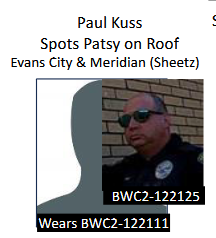
Paul Kuss’ bodycam should have recorded the sonic boom, but the audio track was not released.
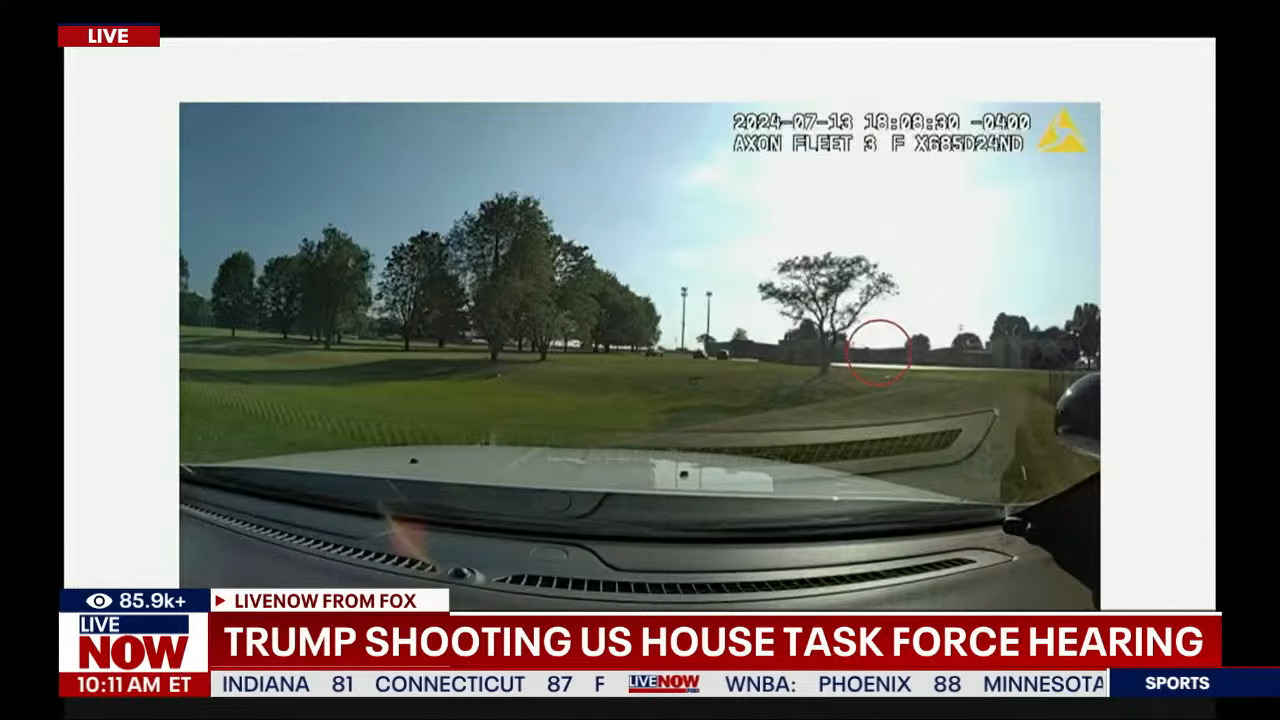
The police cruiser should also have recorded the sonic boom, but according to offtheback, the audio recording was tampered with.
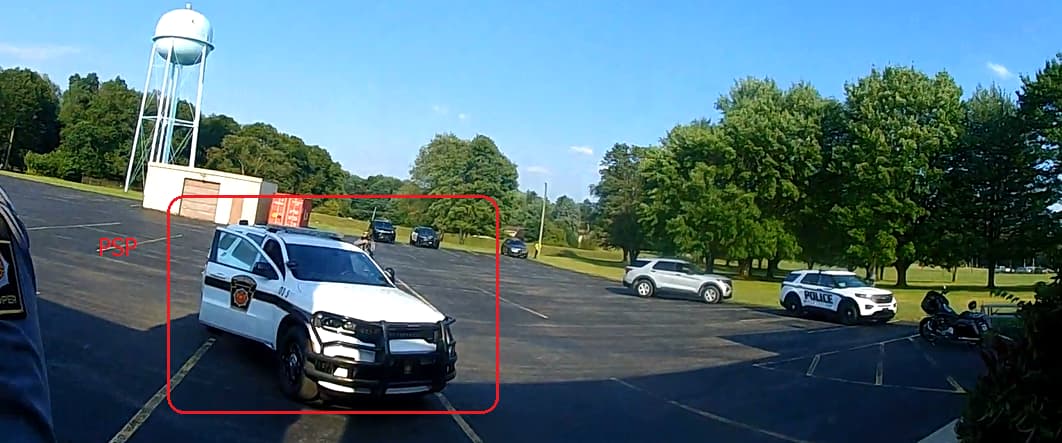
Was there another police officer in the parking lot?
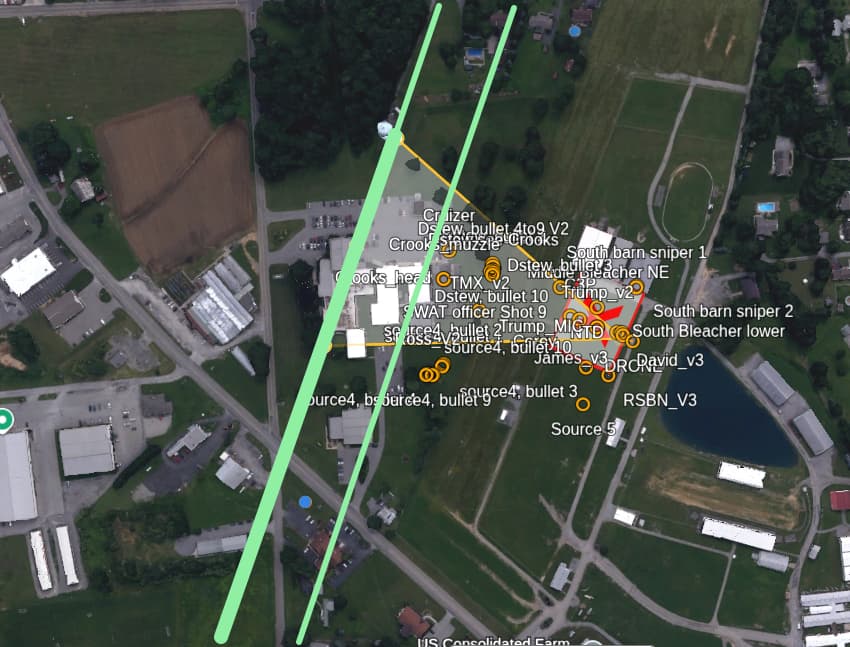
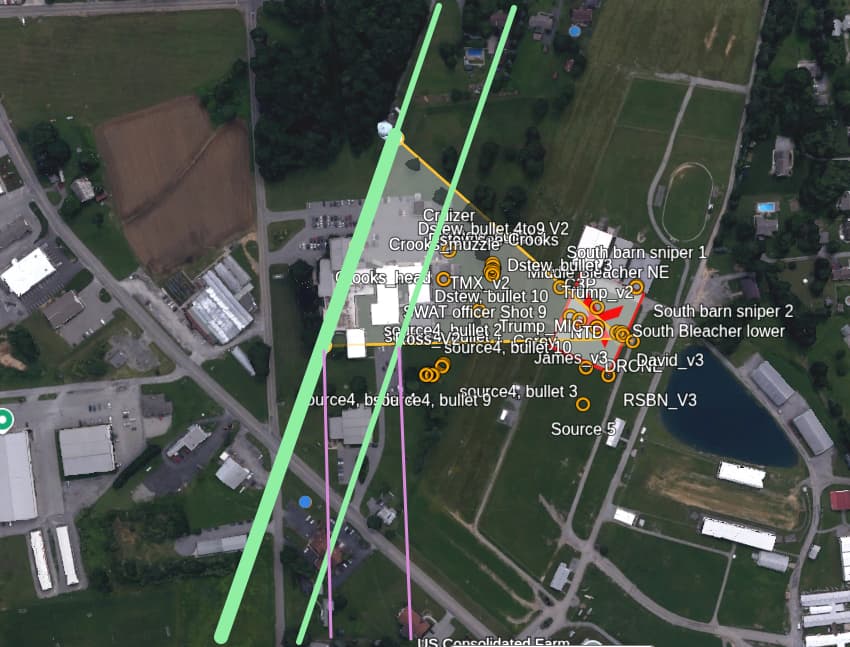
According to AI, the difference between the muzzle blast (0.68 seconds) and the sound wave (0.61 seconds) of the supersonic boom at the blue point (between the green lines) to the south is approximately 0.07 seconds.
Perhaps a recording from this area will turn up at some point. It could also be a dashcam recording from a parked car.
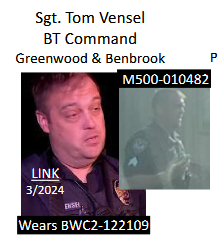
Vensel’s bodycam was activated only later. By the way, he should be asked about the window the rallygoer witness talked about. (Someone was looking out of the window. But which one?)
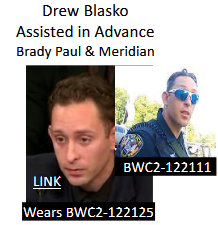
Blasko arrived only after the shots. (His testimony should be clarified. He grabbed his rifle when arrived, just before the shots rang out. But he must have heard Collins reported on radio about the long gun.)
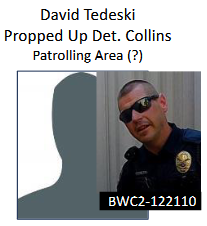
Three police cars (Collins dashcam M500-010482, Tedeski dashcam ???, TRPR Mark A. Neugebauer (Pending) dashcam ???) and three police officers (David Tedeski no Bodycam, Paul Kuss Bodycam BWC2-122111, TRPR Mark A. Neugebauer (Pending) no bodycam) were in the mach cone if the first shots were fired from AGR 9.
Of these 4 audio recordings, only one was released, and according to offtheback, it was manipulated.
What about the other three?
If I were one of the victims, I would sue Butler for publishing these three audio recordings.
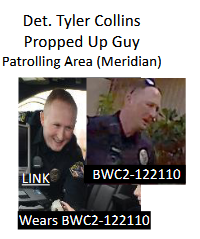
The two undercover cops are very suspicious. They may have had a dual role. First, they made sure that Crooks was not disturbed while climbing onto the roof, and then they ensured that no spectators inside the mach cone took video recordings.
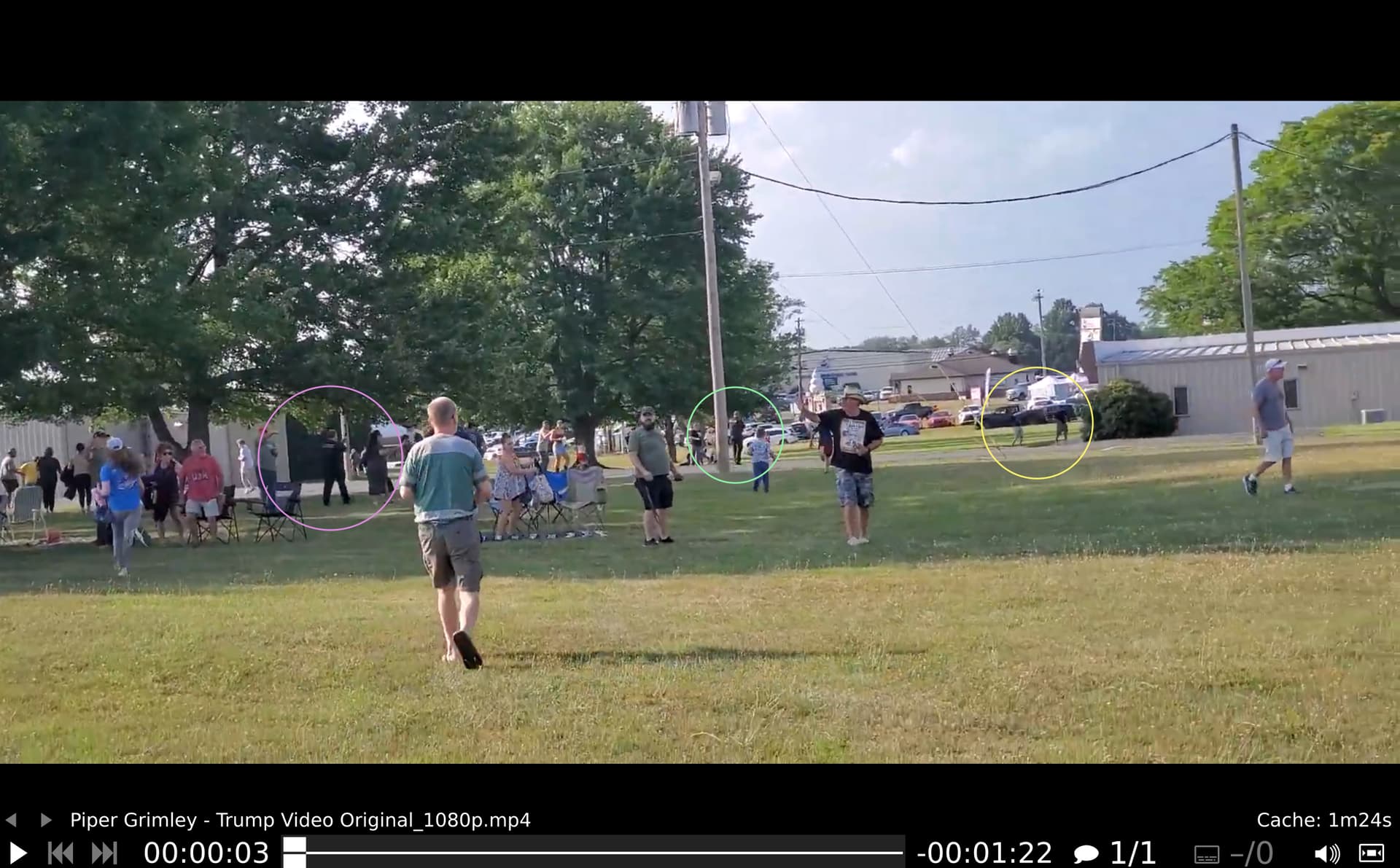
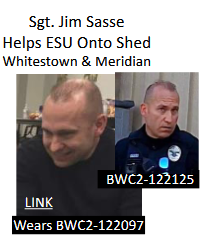
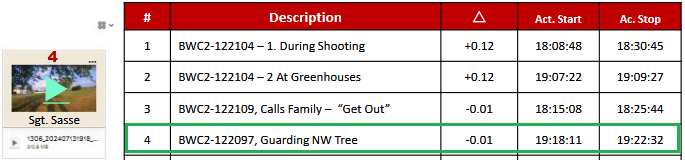
The police officer circled in green may have been in the mach cone when the shots were fired. Is it known whether it was Sasse or Vensel?
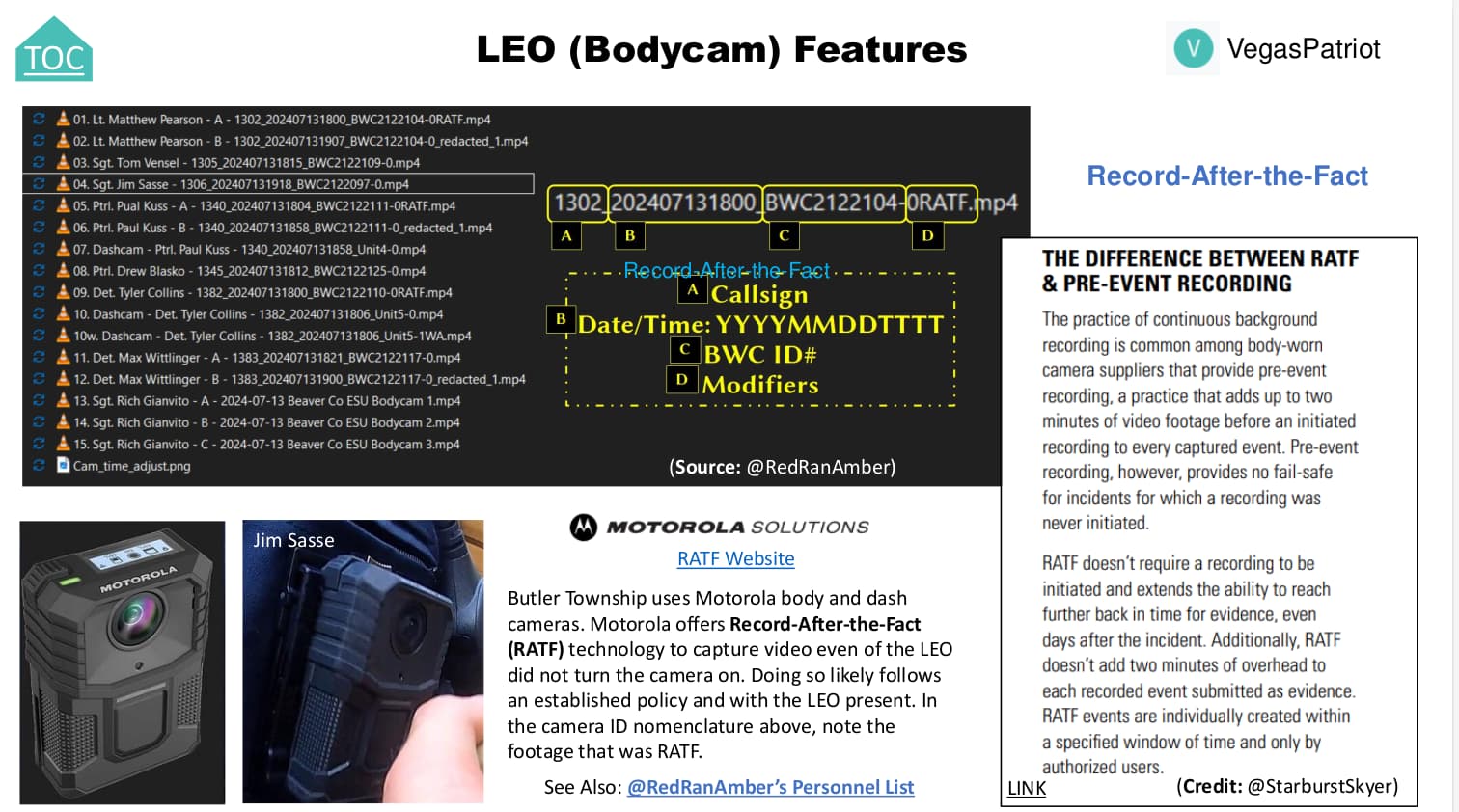
According to the research tool (Vegaspatriot Rev 25, page 10), Sasse was wearing a body camera.
Vensel BWC2-122109
Is there an official statement on this, or is that just your assumption?
Both Vensel and Sasse were most likely in the purple zone when the first shots were fired, which is why their bodycams should have recorded the sound wave of the sonic boom.
Are you sure about that? I think the trooper was standing on a table (Dayve Stewert footage) near the fence before the shots were fired. Which car is supposed to belong to him?
You’re probably right. Paul Kuss came on foot. The car parked to the north belonged to the trooper.
You can find something about in Collins’ testimony. Around the bike they tried to prevent a gas tube explosion. So if that footage exists, they will not release.
Dayve Stewert recently released a video containing photos that clearly show Dimmick standing on the west side of Building 6 with a megaphone shortly before Crooks climbed onto the roof.
In the video with the rider, Dimmick is standing in a spot from which he could probably see Thomas Crooks as he disappeared between the buildings.
What You’re Dealing With
Sound Speed Basics
Subsonic Scenario
So yes, you’d hear the muzzle blast first—and it’s the only sound that travels to you.
Supersonic Scenario

 Updated Setup
 Which sound reaches you first?

 2. Use Finite Difference Schemes With Isotropy Correction
 3. Switch to Different Grids or Tessellations
 5. Try Lattice-Boltzmann or Cellular Automaton-Based Techniques
 Key Physical Phenomena to Model
 Modeling Techniques
 Why the Mirror Analogy Is Intriguing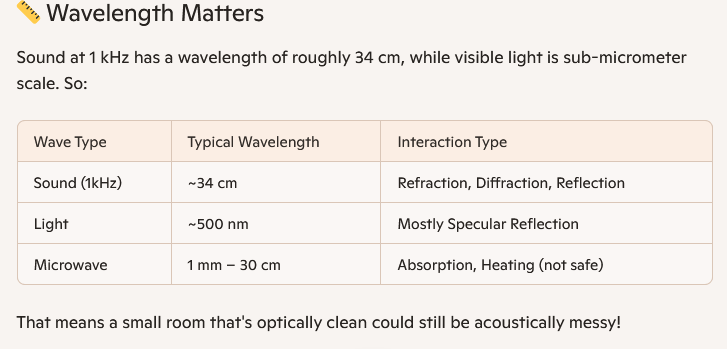
 Translating Optics to Acoustics – With Caution
 Thought Experiment Turned Design Tool?