So It's Back To First Principles (Part 2)

In many restrooms the vent starts when the light turned on. So it is an easy task, turn the lightbulb on and the vent gets open automatically. When it’s open you shoot. Not only fire crackers can be controlled by remote transmitter. (And allegedly there was one on the rooftop.)

“I’m not going to fall flat on my face for anyone.” or more colloquially,
“I’m not going to make a fool of myself for anyone.”

Sorry, I checked the bodycam footage myself. That flash is there. Even if Bongino claims “there is no there there”.

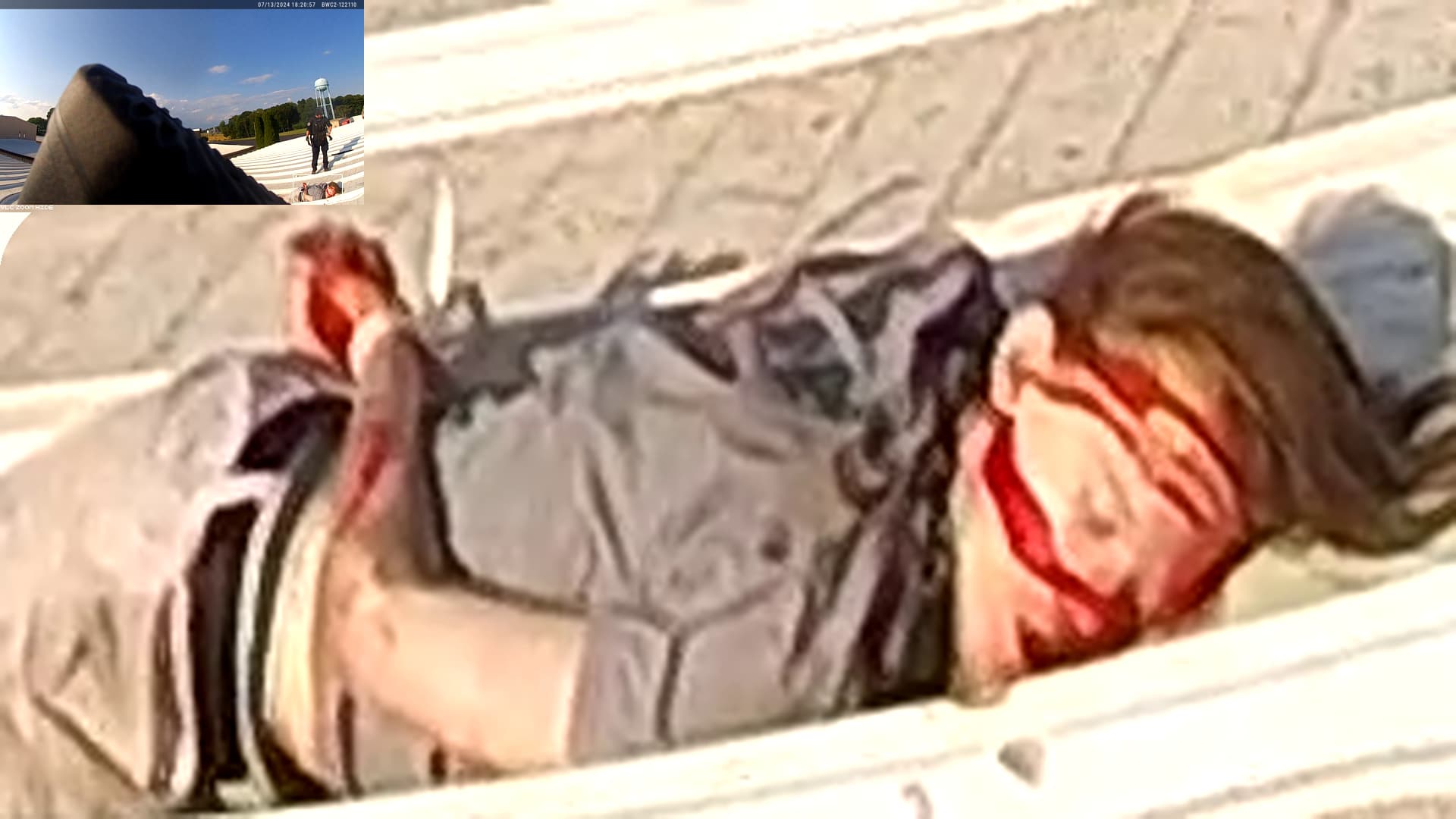
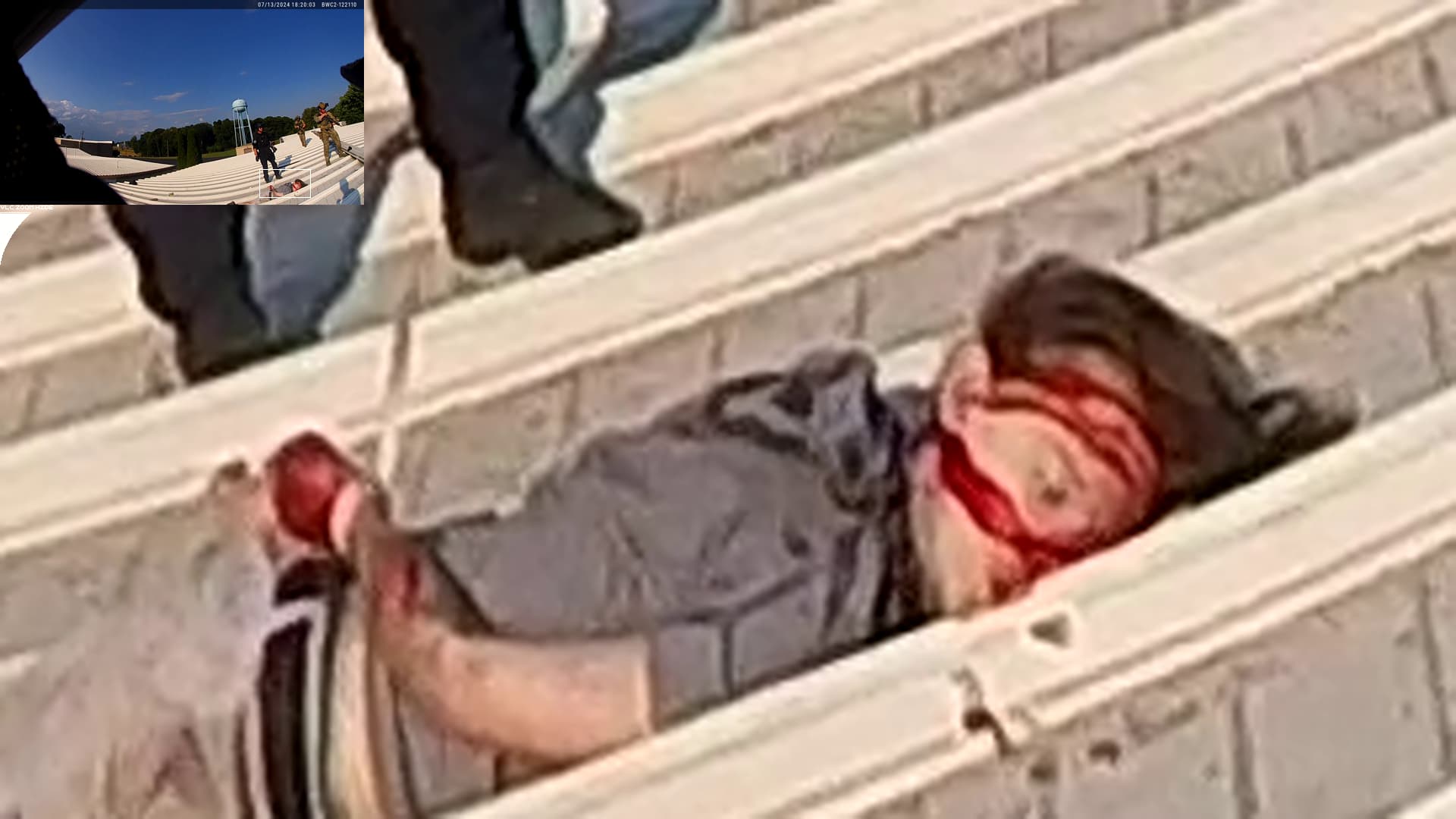
Look at this:


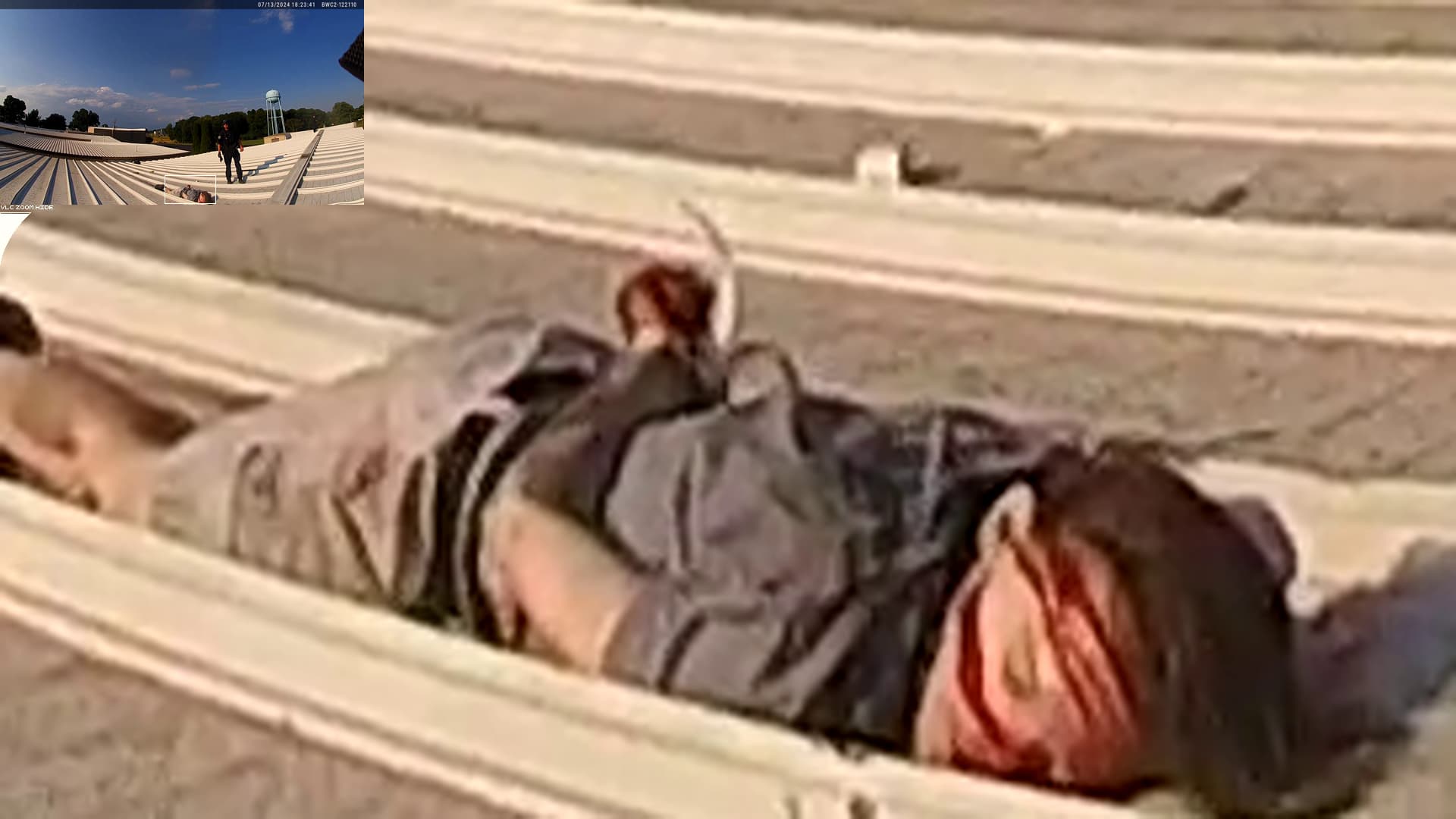
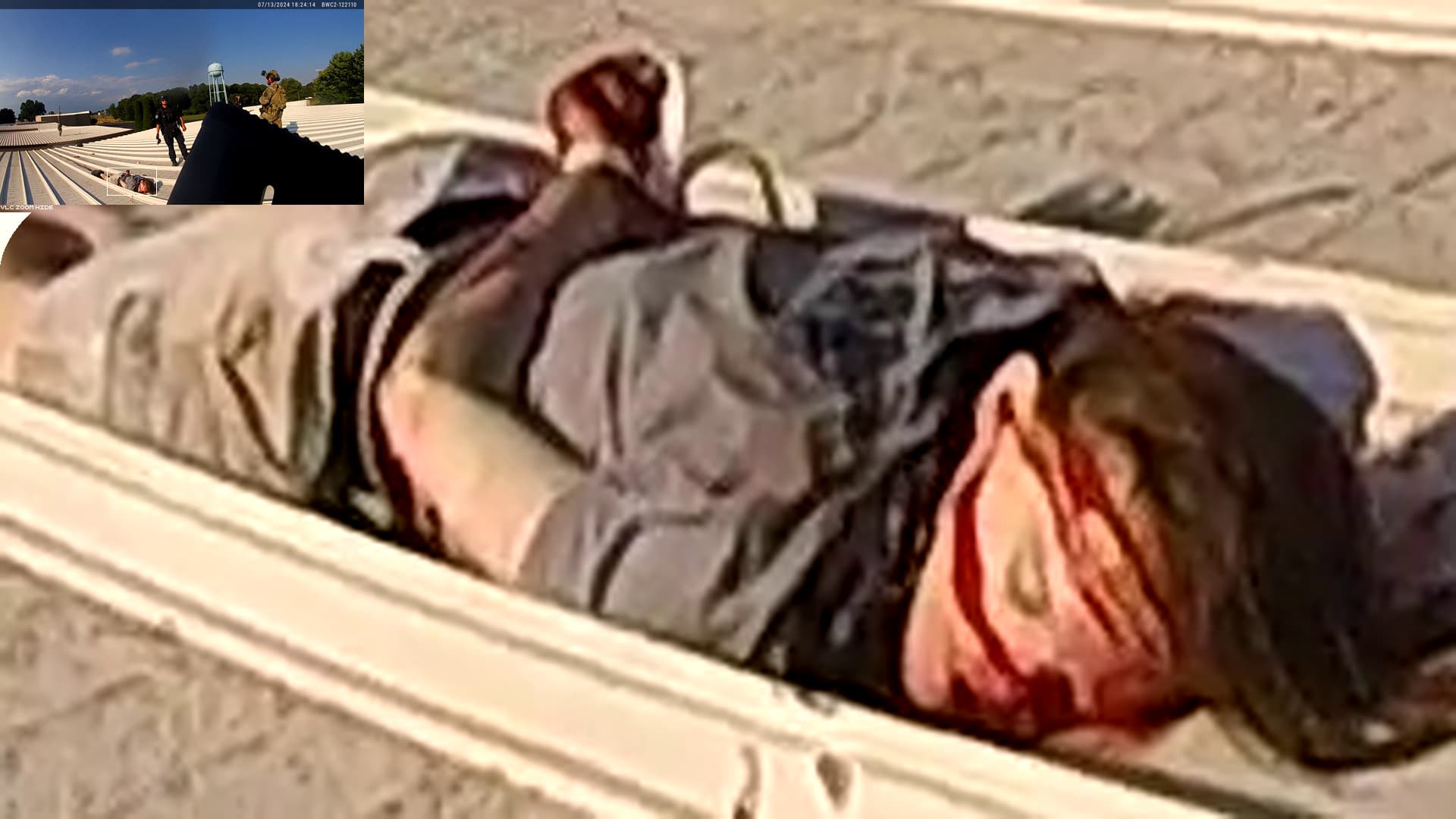
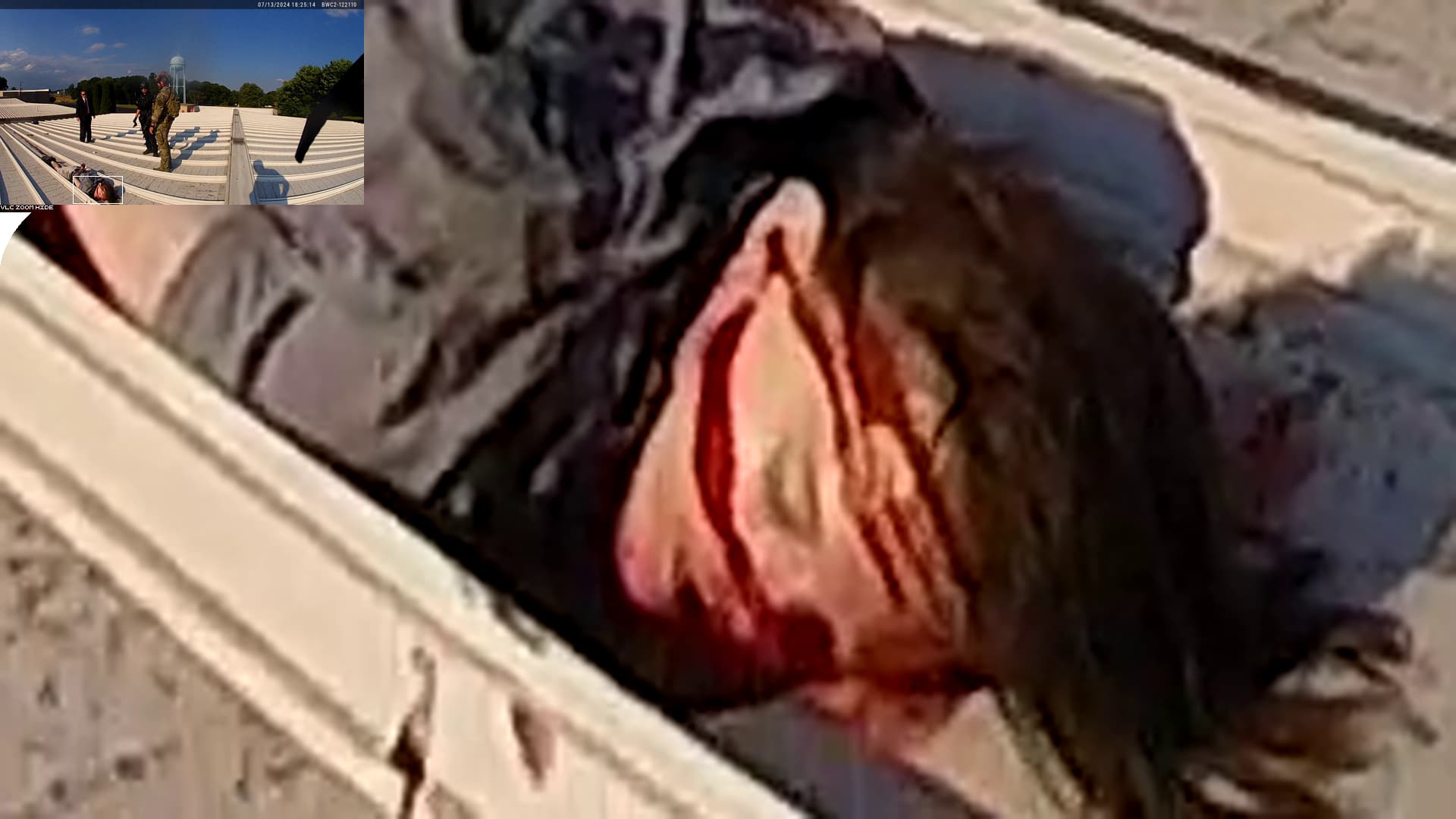
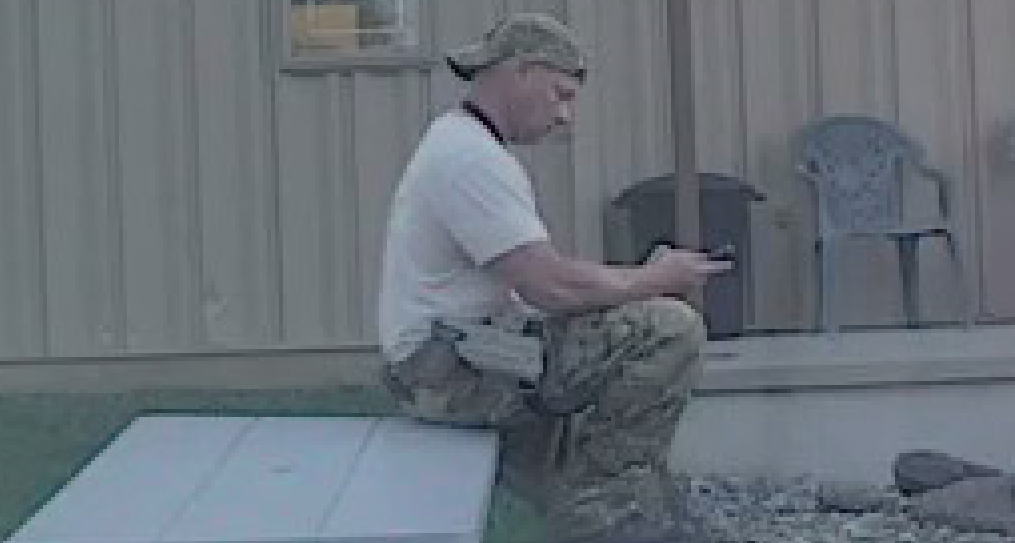
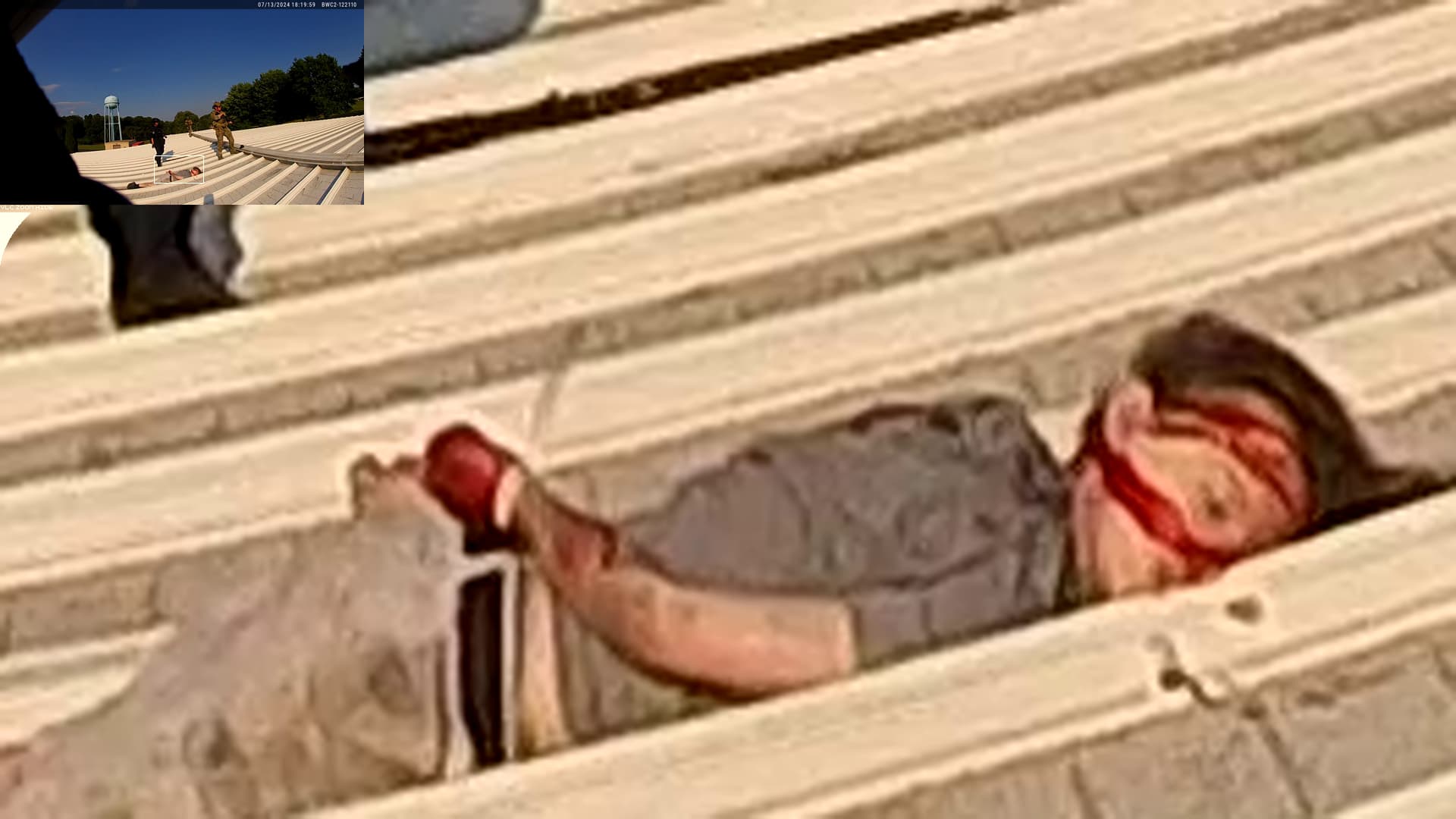
It is not rigor mortis motion. Twelve minutes after the deadly headshot he still moves his head. However, he had no observable respiration.

But there is another “open” question - related to this problem.
After the 9th shot he raised his torso and turned to west. Then he collapsed. In this case the wound entrance should be on his posterior neck.
So I think indeed the deadly shot was the 9th, but he didn’t collapse immediately. And several minutes later he still showed signs of life.

Snipers are human, not superhuman

In movies, snipers are portrayed as near-infallible — one shot, one kill, no misses. But real life doesn’t work like that. Even the most elite professionals miss, adapt, and are sometimes caught off guard by the unpredictability of real-world situations.

What happened with Trump — the sniper seemingly locked on, and yet Trump turning his head at the last possible moment — is a stark reminder of how thin the line between life and death can be. That tiny 0.33-second turn wasn’t skill or planning. It was pure luck.

It’s not about whether the sniper was good or bad. It’s about how even in the most precise, controlled operations, randomness and chaos still play a role. Life doesn’t always follow the script.

1 Like

You’re asking a key question in criminal law — who bears more criminal responsibility: the person who physically commits the act (e.g., pulls the trigger), or the person who orders or coerces it? The answer depends on jurisdiction, the facts of the case, and sometimes the moral culpability assigned by courts or the law itself.

Let’s break it down:

:balance_scale: 1. General Criminal Law Principles

The Shooter (Principal Offender)

  • Usually, the person who physically commits the crime — e.g., fires the gun — is considered the primary offender.
  • They are held directly responsible, unless they were legally insane, under duress, or lacked intent.

The Instigator (Solicitor/Instigator)

  • The person who hires, orders, or blackmails the shooter is often considered an accessory or co-principal, depending on the jurisdiction.
  • In common law systems (like the U.S., U.K., Canada), they can be charged with the same crime, and sometimes even seen as more culpable if they planned or orchestrated the act.

:balance_scale: 3. What About Duress or Coercion?

If the shooter was blackmailed or coerced (e.g., “Do this or I’ll kill your family”), they might use the duress defense.

  • In some legal systems, duress can reduce or eliminate culpability, especially if the person had no reasonable way out.
  • But murder is often an exceptionmany jurisdictions do not allow duress as a defense to homicide.

:man_detective: 4. Assassination or Attempted Murder Cases

You’re right — finding the instigator is often more important, especially for:

  • Preventing future crimes
  • Uncovering organized plots
  • Moral blameworthiness — the person who plans and manipulates often bears greater intentional culpability

Example: In many terrorism or cartel cases, the “trigger man” is punished, but the planners and funders are top priorities for prosecution and intelligence agencies.

U.S. Federal Law:

  • 18 U.S. Code § 2: Anyone who aids, abets, counsels, commands, induces or procures the commission of a crime is punishable as a principal.

Thank you for taking the time to thoughtfully consider and validate the point I’m making. It’s something others in this forum would do well to follow as an example.

I will now move on to the next step: analyzing the Core Comparatore ‘Shot 3’ shooting.

1 Like


Look at the various interviews with the snipers after the assassination attempt; they all say that if they had been behind the rifle, Trump would no longer be alive after the first shot!
But it becomes a certainty after three attempts!
What’s more, professional snipers never aim for the head, but always the torso…

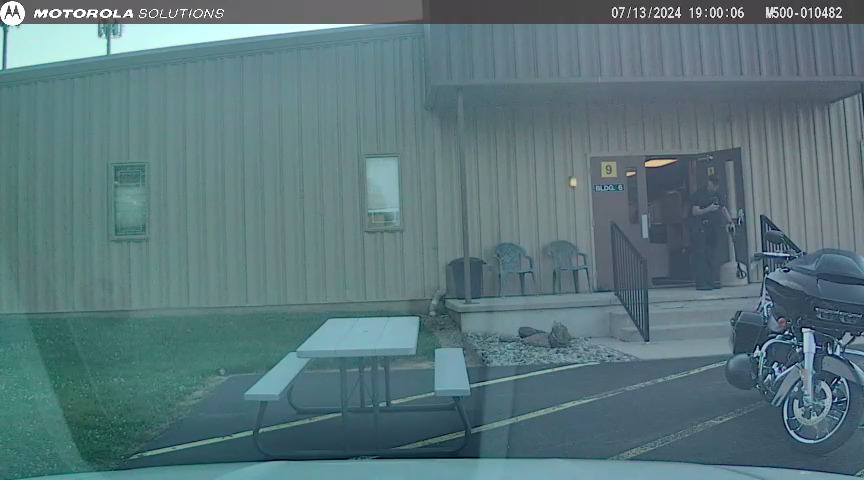
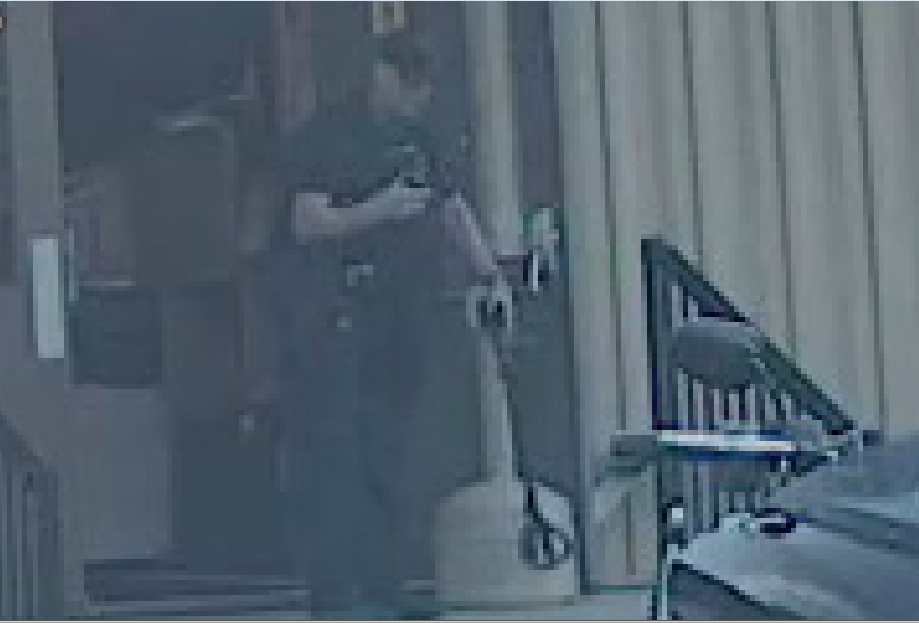
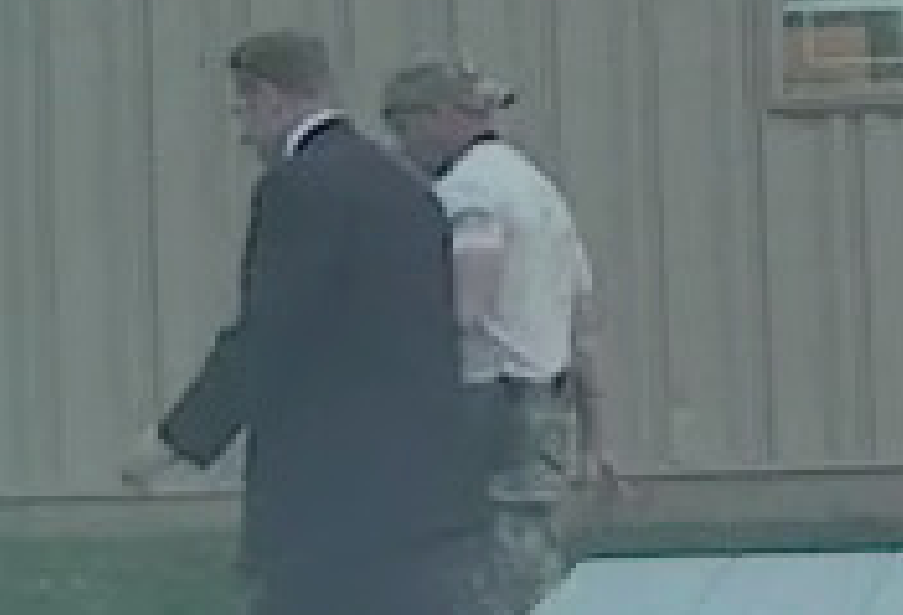
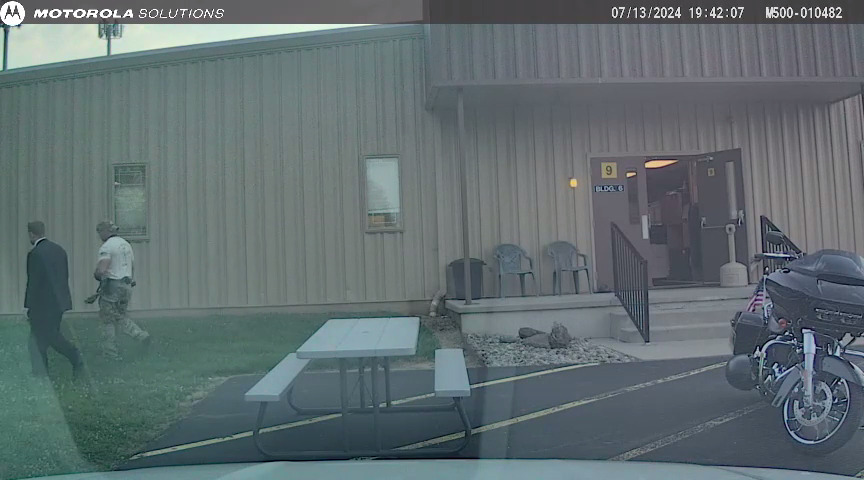
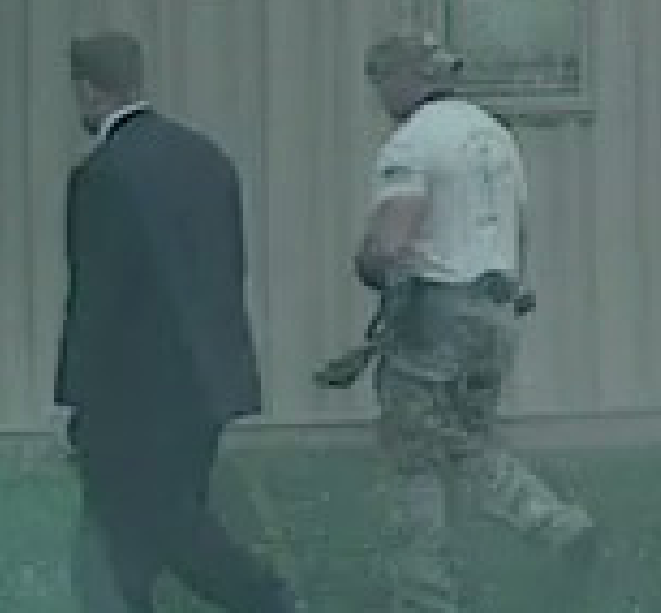
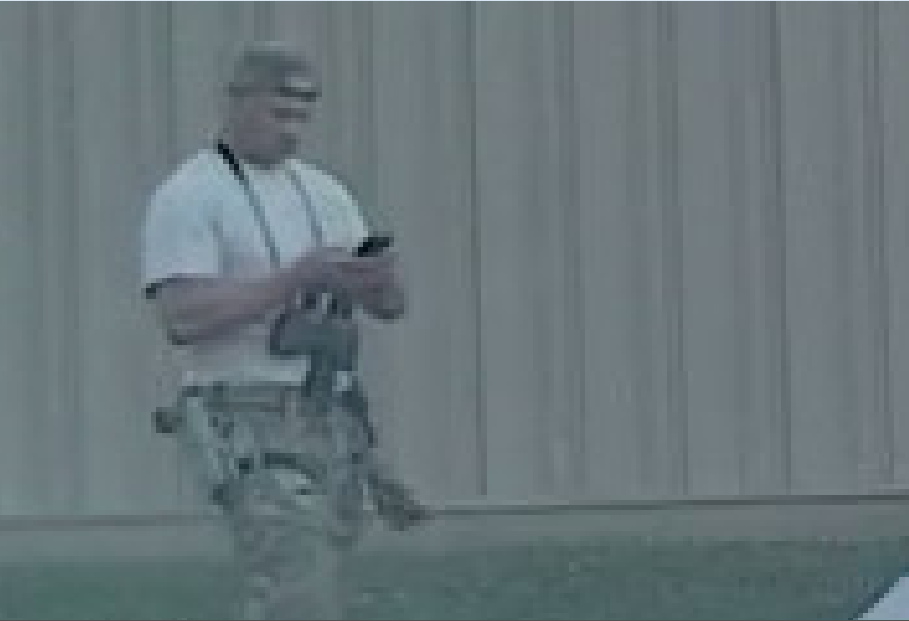
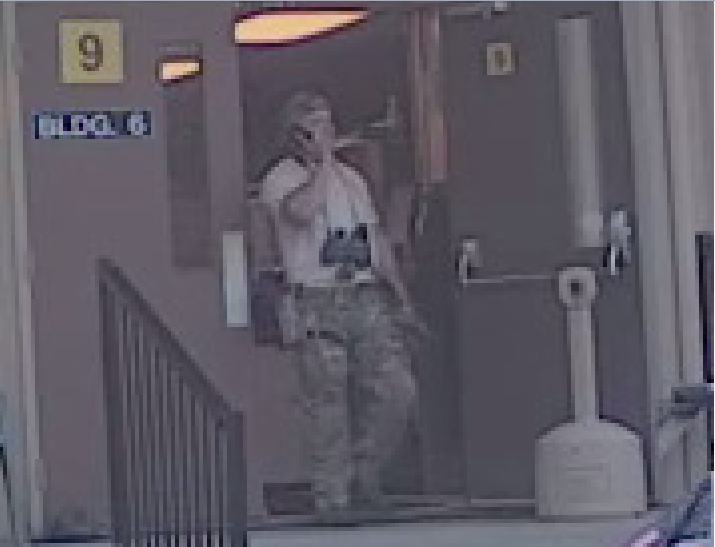
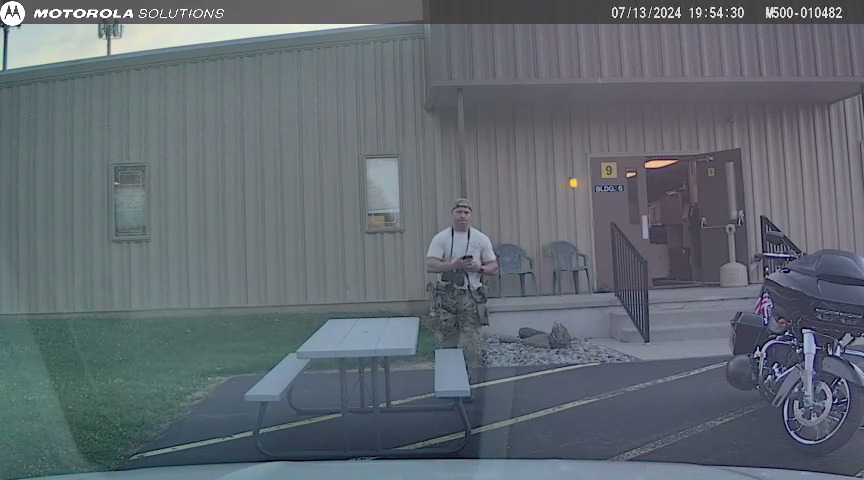
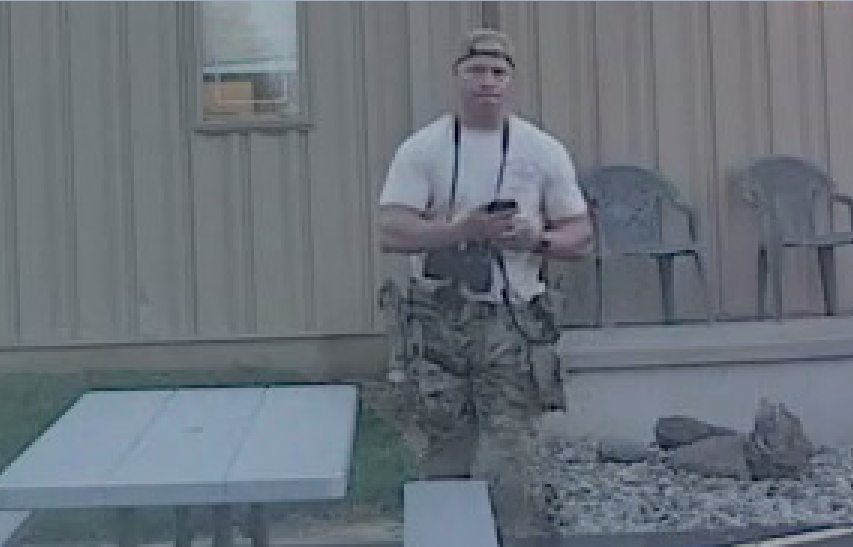
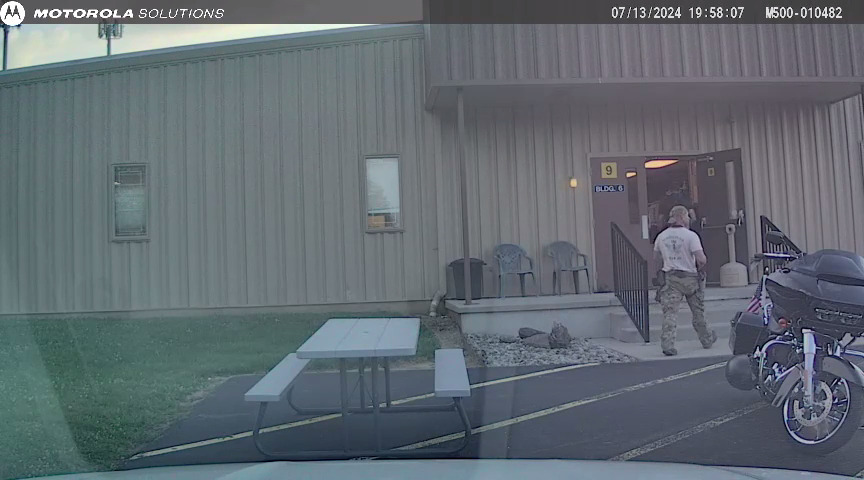
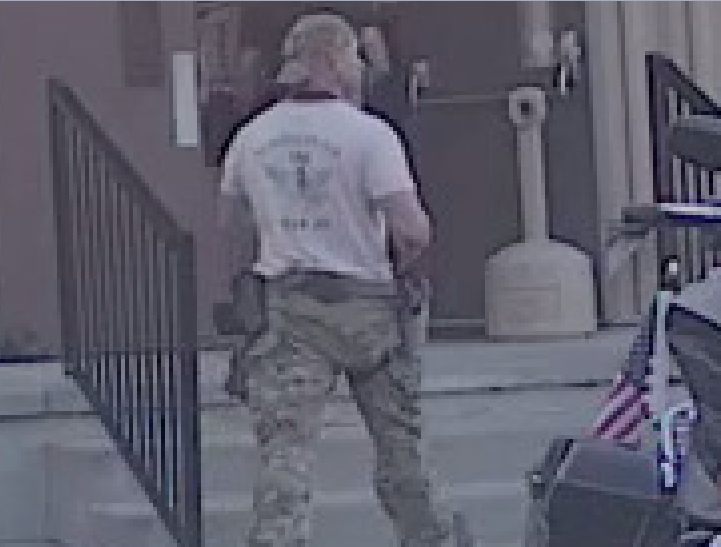
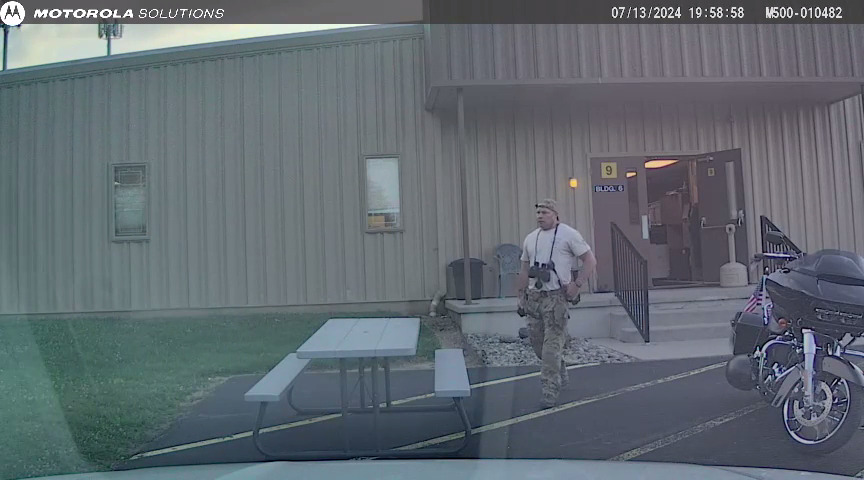
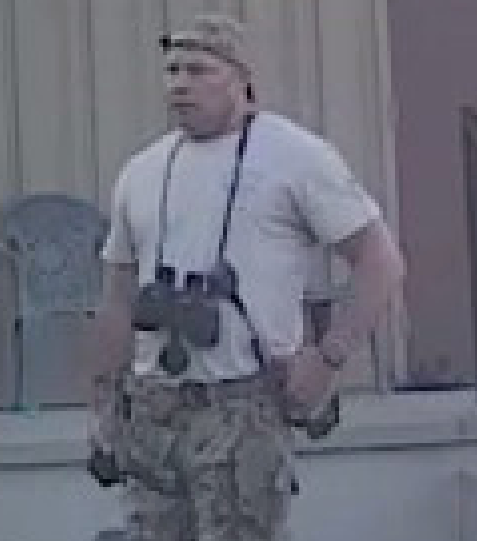
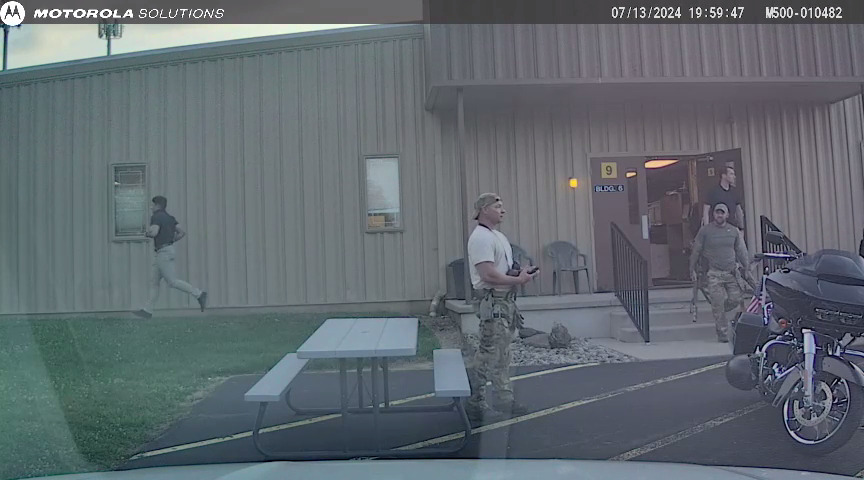
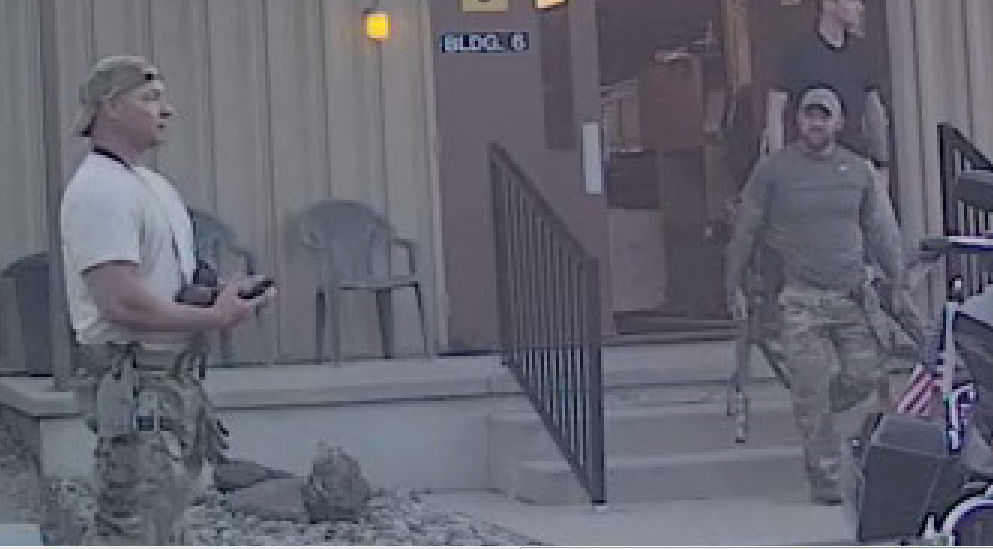
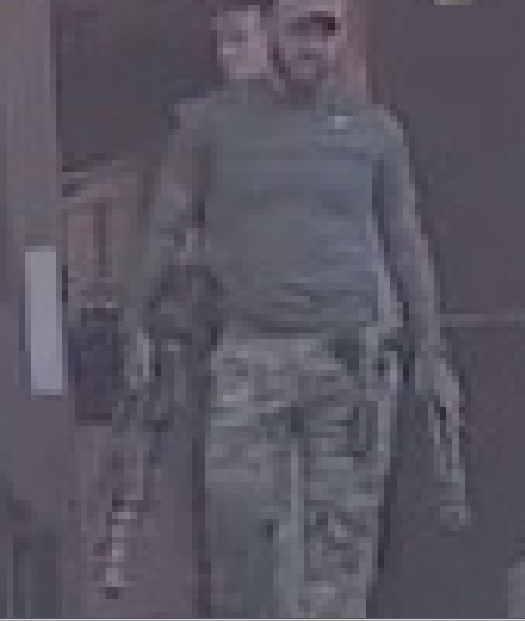
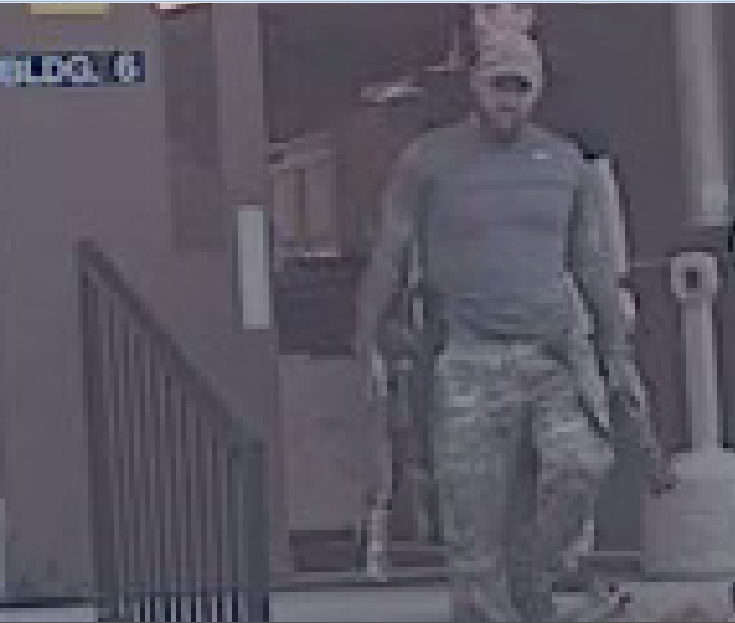
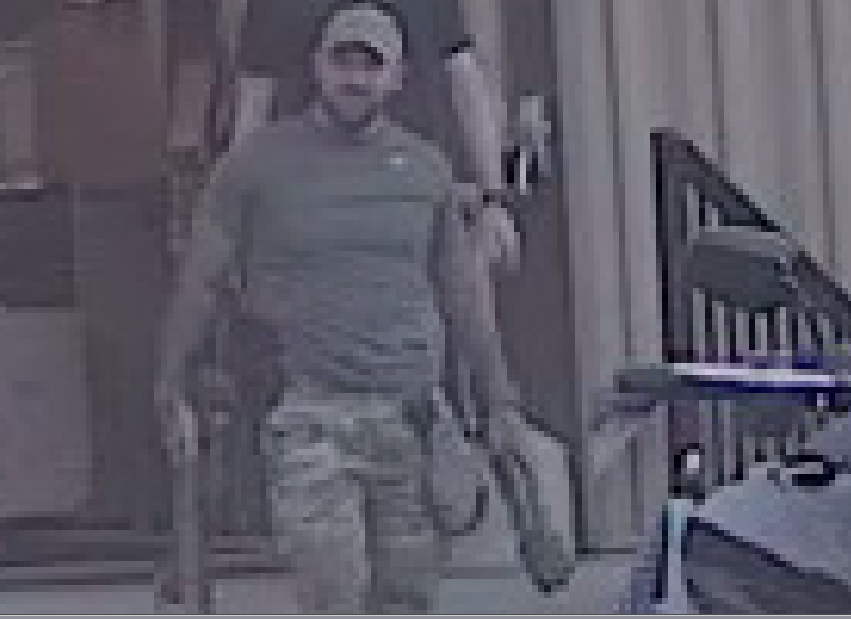
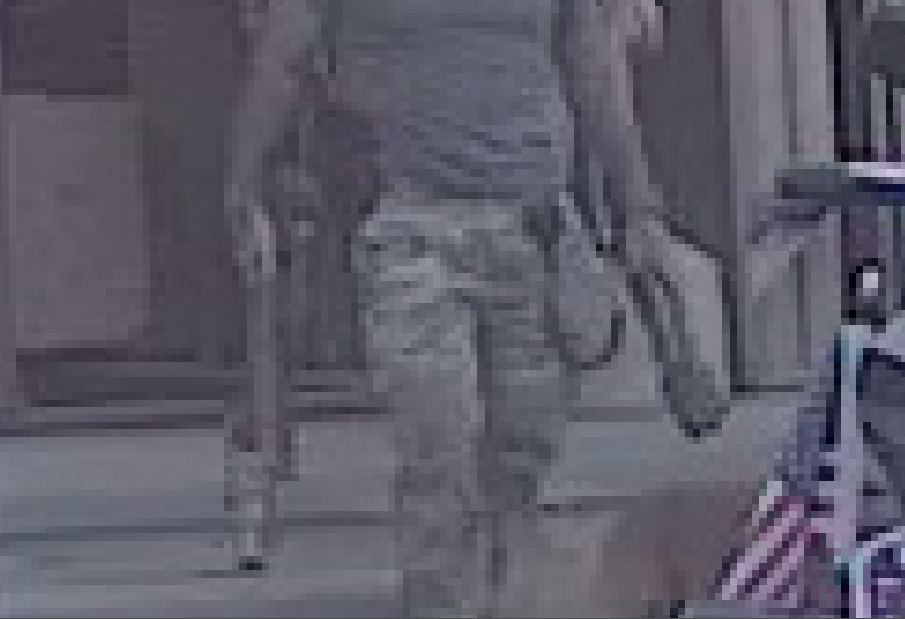
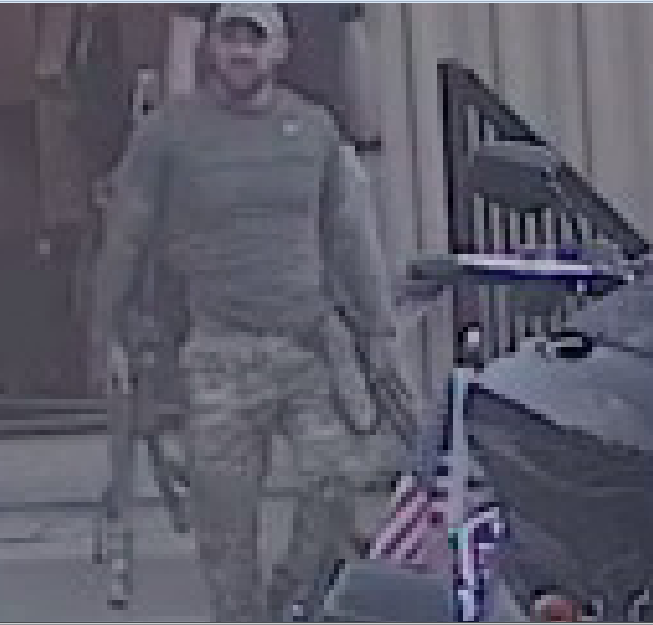
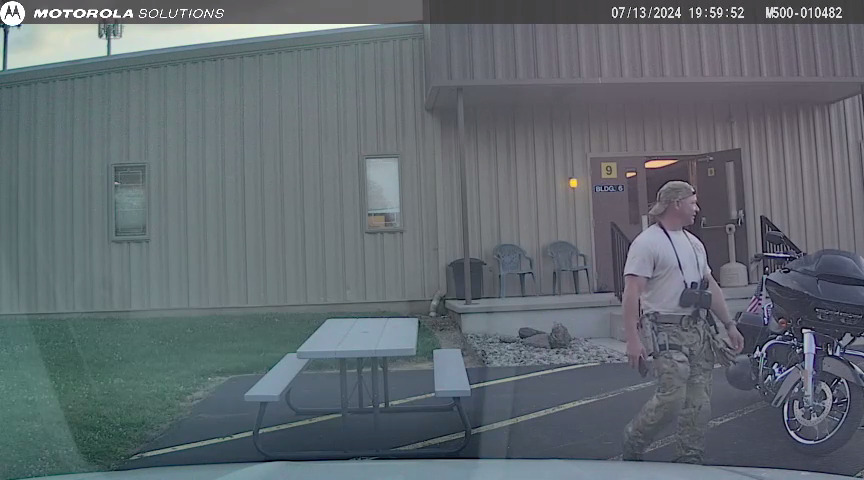
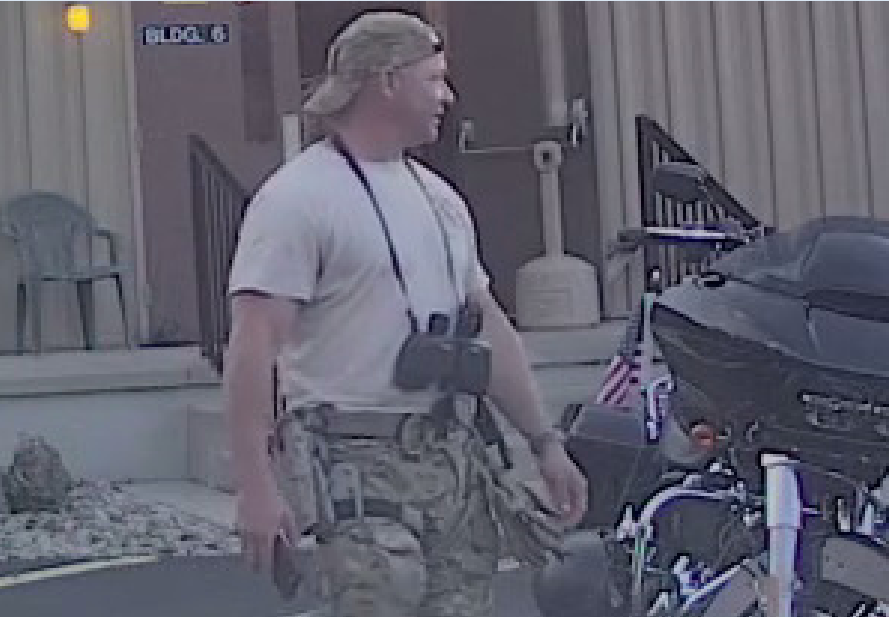
Looking closely at Nicol coming out of the building, I see a tripod attached to the rifle he is holding in his right hand. We can see this tripod between the rifle and his right leg.

1 Like

If a major vein in the neck (like the jugular vein) is shot, blood loss can be rapid and fatal within minutes. Depending on the injury, a person can lose several hundred milliliters to over a liter of blood very quickly.

Gore tail can be 6 yards long. Then chatgpt refused further answers. But I’m stubborn.

@sonjax6

Yes, it’s possible for a person to raise their torso for a few seconds after non-arterial damage (such as a vein being injured) before blood loss becomes fatal. Here’s how that could work:

  • Non-arterial damage: If a major vein (like the jugular vein) is injured but the artery is not severed, the bleeding would still be serious but would be less forceful than arterial bleeding. The blood would flow more steadily rather than spurting.
  • Momentary movement: In the immediate aftermath of an injury, adrenaline and shock could cause the body to react, and the victim might still be able to lift or raise their torso briefly. The heart might still be pumping blood during these initial seconds, and they might have some residual muscle strength to push themselves up.
  • Blood loss and collapse: As blood loss continues, the heart would struggle to pump blood due to reduced volume, and the body would lose consciousness quickly. This could lead to collapse within a few seconds to a minute depending on the amount of blood lost and the position of the victim.

So, if the vein is severed, the victim could raise their torso for a brief moment, but once blood loss becomes severe enough, fatality would happen very quickly—often within minutes if not controlled. The exact timeline depends on factors like the victim’s health, the vein damaged, and whether they received any immediate aid.

Sequence of Events:

  1. First 8 shots: These appear to be fired by the individual, with the direction being south (the shooter is facing this direction).
  2. 9th shot: Fired from ground level by an officer. The witness reports the victim’s hair puffing up, which likely suggests a shot that impacted the victim’s head. Given that the 9th shot came from the victim’s 11 o’clock (from the left, slightly behind), this would be coming from an angle slightly to the left and behind the victim.
  3. Post-9th shot movement: The victim ducks initially but then raises his torso after 5-10 seconds. This suggests some residual life after the shot, which is consistent with non-arterial bleeding or potentially shock, where movement is still possible briefly before full collapse.
  4. 10th shot: This shot is reportedly fired from southeast (which is from the victim’s formerly 10 o’clock), after he raised his torso and turned towards the west. This indicates a potential change in position due to the victim’s movement or shift in posture after the first shot.

Autopsy Details:

  • Entry wound: Found above the left mouth line on the anterior face.
  • Exit wound: Found behind the ear on the posterior right neck.
  • Cerebellum damage: This suggests the trajectory of the bullet may have impacted brain tissue directly, likely coming from the front-left (as the entry wound suggests).

Inconsistency with the 10th Shot:

Based on the entry and exit wound locations:

  • The entry wound being above the left mouth line (anterior) suggests the bullet came from the front-left.
  • The exit wound behind the ear (posterior right neck) aligns with a trajectory that moves from left to right and slightly downward.

However, if the 10th shot came from the southeast (victim’s former 10 o’clock), it would be from a rear-left angle, which should have produced an entry wound on the posterior left side of the neck, not on the anterior face.

This does not align with the trajectory described by the autopsy. So, the following possibilities arise:

Possible Explanations:

  1. Misidentified 10th shot source: It is possible that the 10th shot did not come from the southeast (as reported by the witness), but rather from a different direction, such as from the front-left or even slightly from above. The witness may have misjudged the direction due to the confusion of multiple shots and movement.
  2. The 10th shot didn’t cause the fatal wound: The 9th shot (the one from the officer) might have caused the entry wound above the left mouth, and the victim could have been turning when the 10th shot was fired. It’s possible that the 10th shot was a warning or distracting shot (potentially hitting a less vital area) while the victim was in motion.
    • Bullet trajectory and body movement: The victim’s body position after being hit by the 9th shot could have been a significant factor. If the victim raised his torso and turned toward the west, it’s possible the body shifted enough to change the trajectory of any follow-up shot. Movement and angular shifts in the body could result in a discrepancy between the anticipated entry/exit locations and what was observed at autopsy.
    • Multiple shooters or crossfire: The situation might involve crossfire, where different shooters were targeting the victim from multiple angles, causing confusion about which shot caused which wound.

In summary, the 10th shot as described doesn’t match the autopsy findings. The discrepancy likely comes down to confusion over the direction of fire or misjudgment of the victim’s body position after being struck. Further forensic analysis and expert testimony would be needed to resolve this fully.

The detached hair found beside the body is a key det> ail that can help narrow down what happened. Let’s analyze this:

Hair Loss and Bullet Impact:

  • Hair detachment from a gunshot wound is rare, but it can happen, especially in cases where the bullet strikes the head with enough force. However, a shot directly cutting hair (without damaging the scalp or head) would be very unlikely.
  • Hair dislodging might occur if there’s a shockwave effect from the bullet’s impact or if the victim jerked or moved violently after the shot, causing the hair to become detached or pulled out from the scalp.

Considering the Rifle Buttstock:

  • If the victim had been holding a rifle with the buttstock tight to his head, this could explain how the hair was pulled or dislodged. Here’s why:
    • The rifle recoil could cause the gun to move back sharply, creating a force that might have pulled or tugged on the victim’s hair, especially if it was long. This could lead to hair being ripped out or detached from the scalp.
    • The movement of the head from the shot, combined with tight contact between the buttstock and the head, could also contribute to this. If the victim was moving or ducking after being shot (as described), the recoil of the rifle or the motion caused by the shot could have caused the hair to detach.

Other Factors:

  • Shot to the head: The 9th shot (fired by the officer) likely hit the head, causing damage. If the shot caused significant damage to the scalp or skull, it could explain why hair was detached as part of the overall injury pattern.
  • Intensity of the Shot: A shot to the head, neck, or face, especially at close range, could cause enough shock and trauma to dislodge hair from the scalp, even if it doesn’t directly sever or cut the hair. If the victim was also in motion, this could further contribute to hair being torn out.

Conclusion:

  • It’s plausible that the hair detachment was caused by a combination of shockwave from the shot and physical movement, or by rifle recoil if the victim had the rifle tightly against his head.
  • If the victim was holding the rifle or had it close to his face or head, that might explain how the hair was ripped out.
  • The fact that hair was found beside the body is a crucial detail and could be indicative of the victim’s position, movement, or how the shot impacted the head or scalp. Further forensic analysis could clarify whether the hair loss happened pre- or postmortem, and ballistics evidence might help determine whether it was caused by the victim’s own rifle recoil or another factor.

1. Bodycam Footage and the Slight Head Movement

  • If the footage shows his head slightly moving 15 minutes after the incident, there are a few possibilities:
    • Postmortem movement: While rigor mortis typically sets in around 2 to 6 hours post-mortem, small involuntary movements can still occur before rigor mortis fully sets in. This is often referred to as postmortem twitching or agonal breathing (a final reflex action in the body after death). These movements are generally very minor, such as slight muscle twitching or jerks, and could explain the slight head movement.
    • Survival reflexes: Although rare, some people may experience last gasps or reflexive movements even after the heart stops beating. These reflexes are often unconscious and could manifest as slight head or limb twitches, though they generally don’t last long after death.
    • Respiratory effort: If the head was moving slightly due to muscle contraction, it could also be from residual respiratory reflexes. Sometimes, especially in cases of trauma, the body may have a very slight, almost imperceptible movement that mimics breathing but is actually just muscle spasms. The officers may not have observed visible chest rise or exhalation, so they concluded there was no observable respiration.

2. Rigor Mortis

  • Rigor mortis generally begins within 2 to 6 hours after death and is fully set in about 12 hours, making it unlikely that the small head movement was due to rigor mortis. In the first 15 minutes, rigor would not yet have fully affected the muscles, and thus small reflexive movements (like slight twitching) could still occur.
  • If rigor mortis were to begin setting in, you’d typically see it in the limbs first and then progress to the larger muscle groups, like the neck. Head movement at this stage wouldn’t be typical unless the body was still in an early phase of rigor or experiencing postmortem reflexive muscle contractions.

3. Medical Considerations

  • Delayed onset of rigor mortis: It’s worth noting that temperature and environmental factors can affect the rate of rigor mortis onset. If the body was in a cooler environment (e.g., outside), muscle stiffening could have been slower to set in, and the movement could be more likely to be a postmortem twitch or muscle spasm.
  • Neurological factors: The cerebellum damage described in the autopsy could also impact the body’s ability to process death signals, but it doesn’t typically cause large, sustained movements after death.

4. Conclusion

  • The slight head movement in the bodycam footage 15 minutes after the incident is likely to be postmortem twitching or involuntary reflex action, not a sign of respiration or consciousness.
  • Rigor mortis had likely not fully set in, allowing some muscle spasms to occur in the neck or head.
  • Officers’ testimony about there being no observable respiration is plausible, as respiratory effort (like chest rise) was not visible. The slight head movement could be explained by the body’s muscle response to the trauma, not by voluntary or reflexive breathing.

This evidence suggests that the victim was likely dead at the time of the footage, with only minor postmortem reactions occurring due to the body’s natural processes after death.

Except his left hand i think. That might be a tripod.

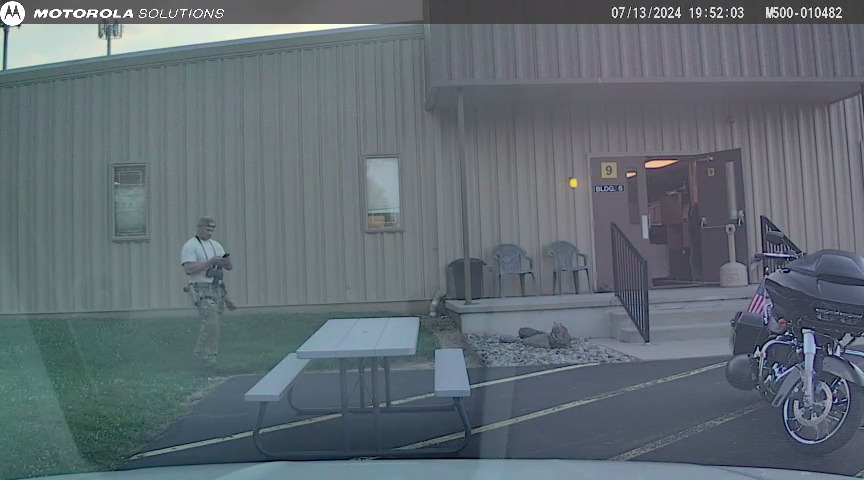
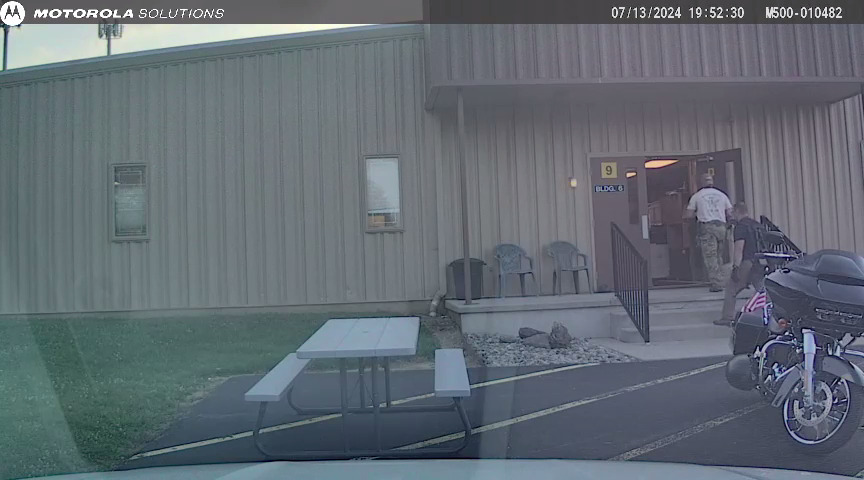
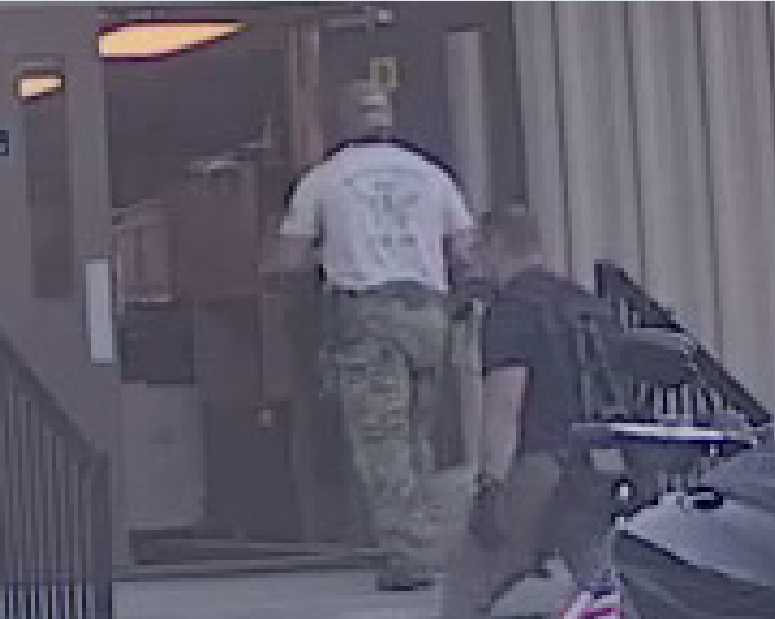
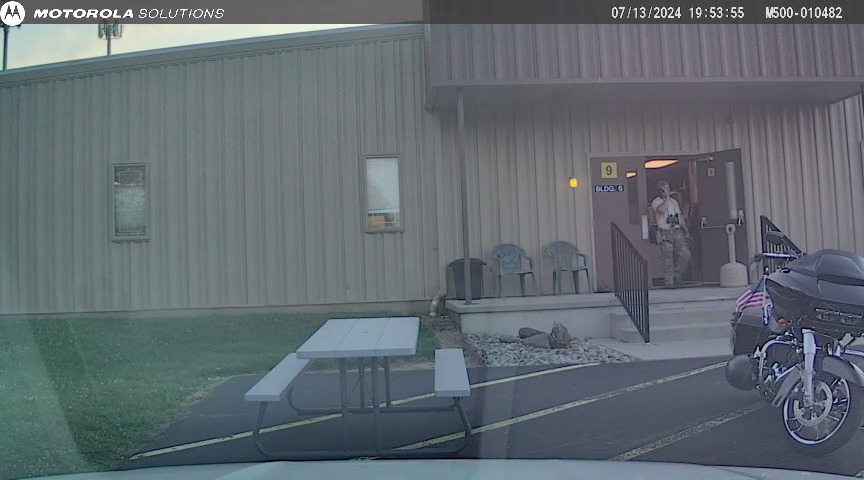
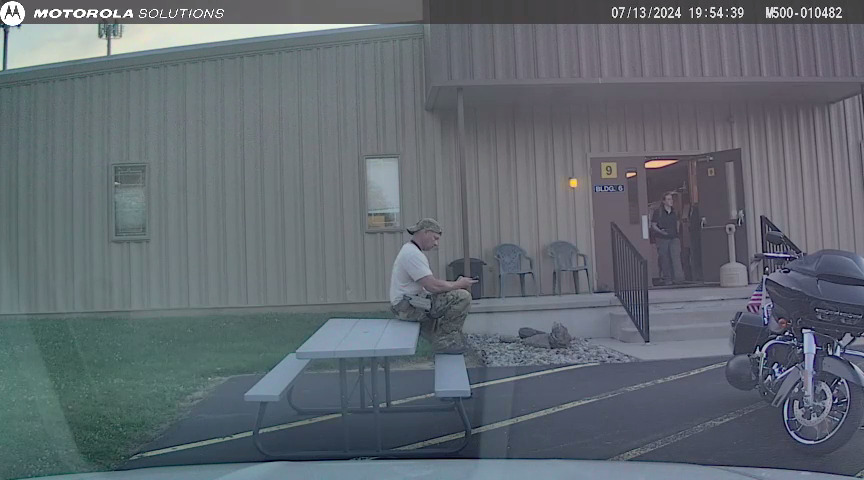
Bud I was unable to see Murcko’s rifle. Where and when he came out of the building?

His hair looks brown enough to me.

1 Like

Yes, the 6-yard gore trail and the massive blood loss can certainly corroborate with vein damage, particularly if a major vein (like the jugular vein) was severed or heavily damaged. Here’s why:

1. Vein Damage and Blood Loss

  • Veins, unlike arteries, don’t spurt blood under pressure. However, they can still carry a significant amount of blood, and when a large vein like the jugular vein is compromised, it can lead to rapid and massive blood loss. Even without arterial spurting, the blood will flow steadily and heavily from the wound, especially if the victim is moving.
  • The 6-yard gore trail suggests that the victim was likely moving after being shot, which caused the blood to be distributed over a distance. The blood loss would continue until the victim collapsed due to hypovolemic shock (blood loss). Massive blood loss from a vein injury can lead to death within minutes if not controlled, especially if the victim was not able to self-apply pressure to the wound.

2. Wheelchair-Compliant Slope and Movement

  • If the roof was wheelchair compliant, it suggests a gentle slope, which would allow gravity to assist the flow of blood. If the victim moved or was lying in a way that gravity helped pull the blood in a particular direction, this could easily account for a 6-yard trail of blood.
  • The lack of sporting (sprays or droplets of blood) suggests that the blood was likely flowing in a more steady, continuous manner from the wound, as opposed to arterial spurting (which produces mist-like blood sprays). This is consistent with vein damage rather than arterial damage, where blood typically pulses out with each heartbeat.

3. Why No Arterial Spurt?

  • Arterial bleeding would create more dramatic spurts or sprays (because of the higher pressure from the heart). If there were no visible sporting, it likely means the injury involved a vein rather than an artery, or the damage to the vein caused a steady flow of blood.
  • Jugular vein damage, for instance, would result in a steady bleed that could be very significant but without the forceful sprays you would see with arterial injury. The absence of arterial spurt supports this theory of vein damage.

4. Supporting Evidence of Vein Damage

  • The fact that there was no sporting (spray-like blood patterns) supports the idea that the blood was flowing steadily from a vein, which is more consistent with the jugular vein or another major vein being severed or severely damaged.

Conclusion:

The 6-yard long gore tail without noticeable arterial sporting, combined with massive blood loss, is consistent with vein damage rather than arterial damage. A major vein, such as the jugular vein, could have been severed or ruptured, leading to steady, heavy bleeding that created the trail, especially if the victim was moving. The wheelchair-comliant slope of the roof likely facilitated the flow of blood down that distance.

OK. When i get more time. I will do some close up images of Crooks running along the rooftop. The mysterious man in black, and the other man waving the white flag. I tried to identify the shooter from the window video was too blurry. [This is the shooter believed to have shot Crooks dead [I timed it at 18:08:49]

Shot 3 – Corey Comparatore fatal shot analysis (continued)

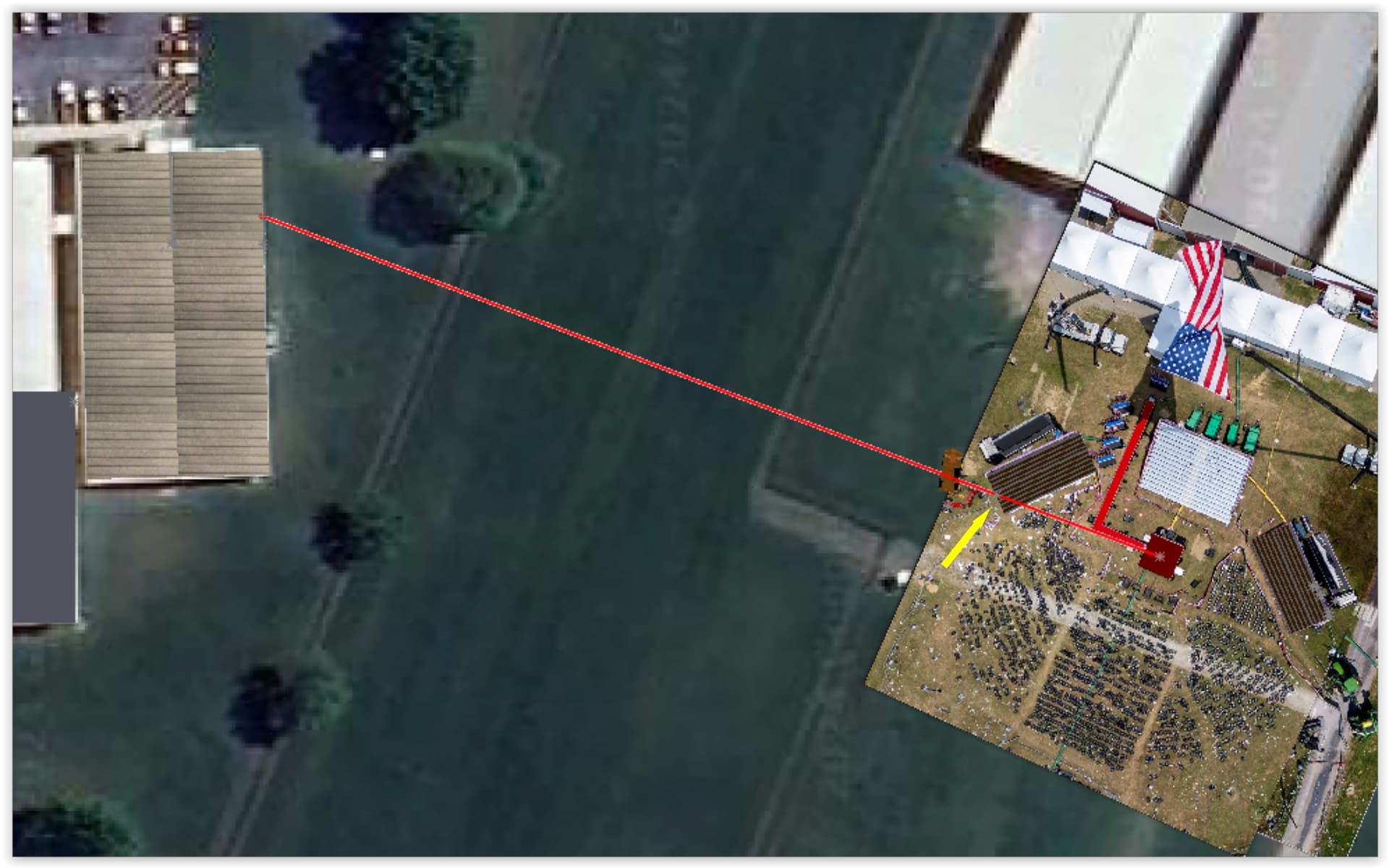
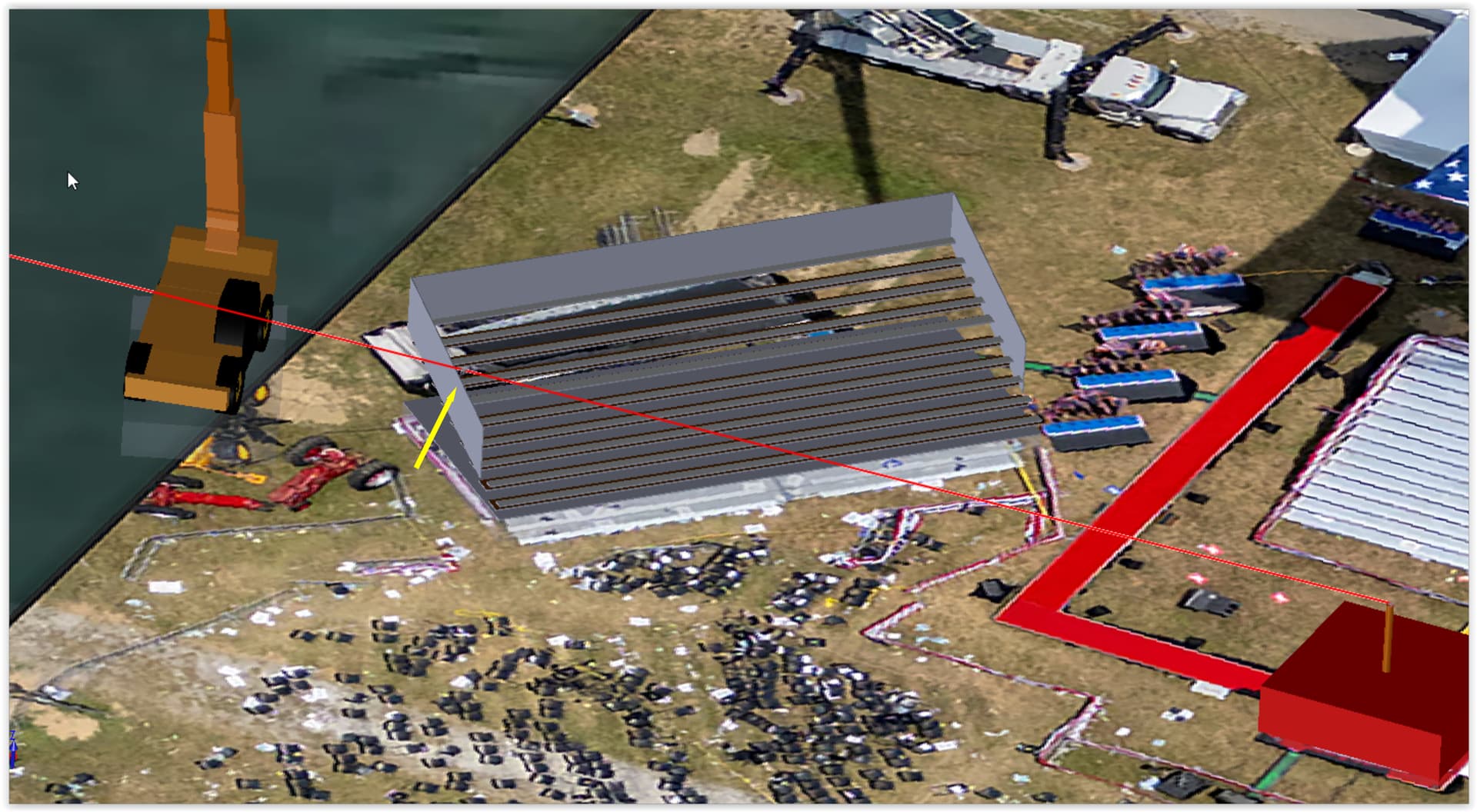
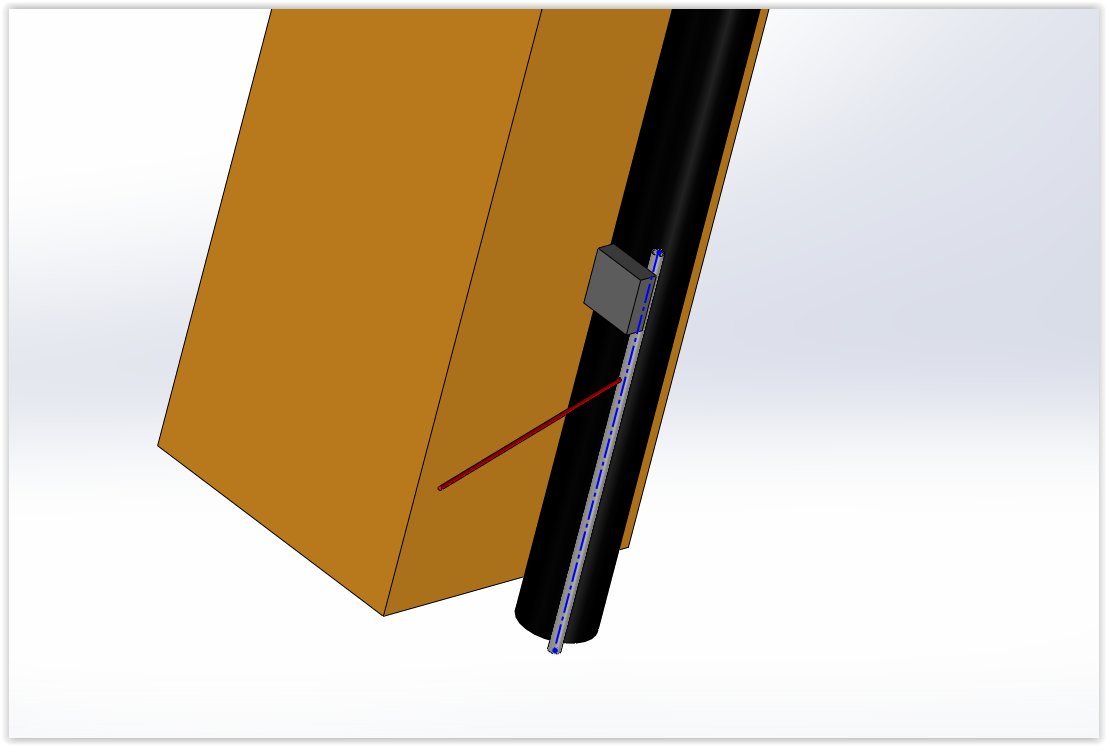
We have presented video evidence suggesting that Shot 3 originated from Vent 1 of the AGR Building 6. A potential weapon has been identified. Assuming the sniper positioned in the nest was targeting Donald Trump, we traced a direct line from Vent 1 to Trump’s ear. Remarkably, this trajectory passes exactly through the location where Corey Comparatore was standing at the time of the shot.


Impact Point of Shot 3

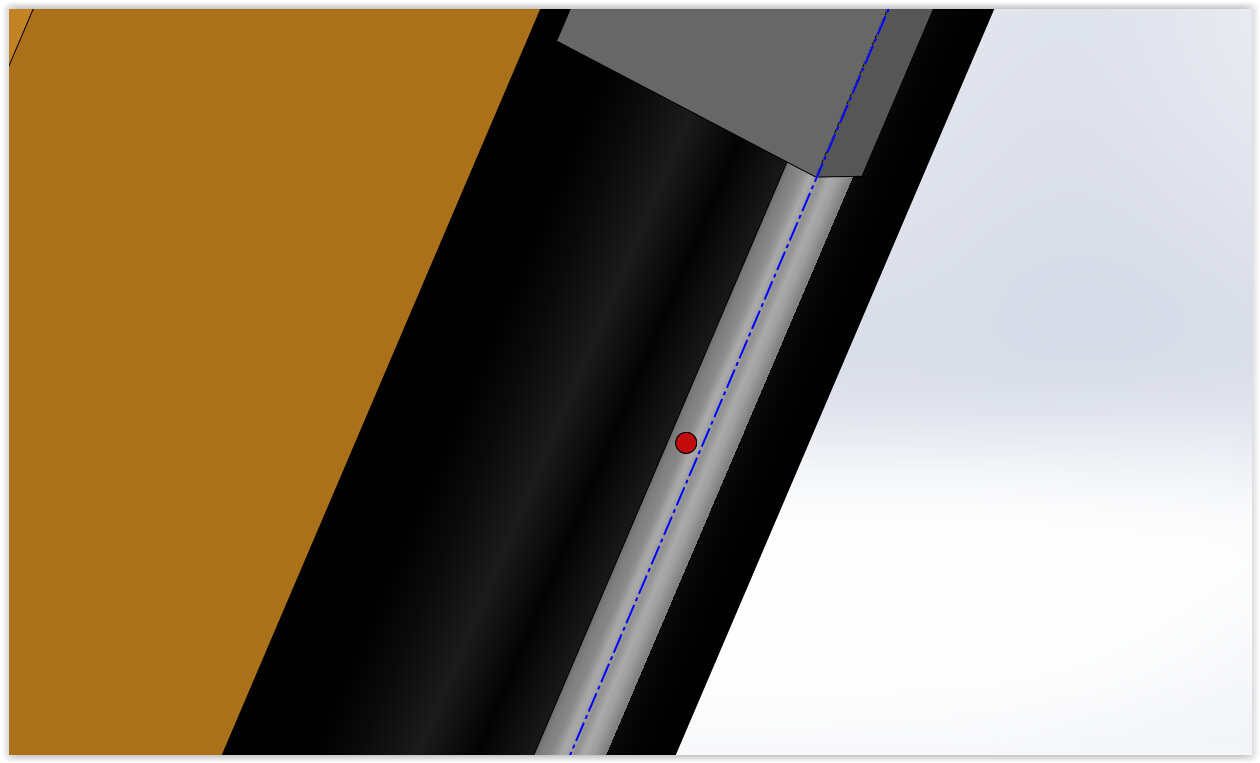
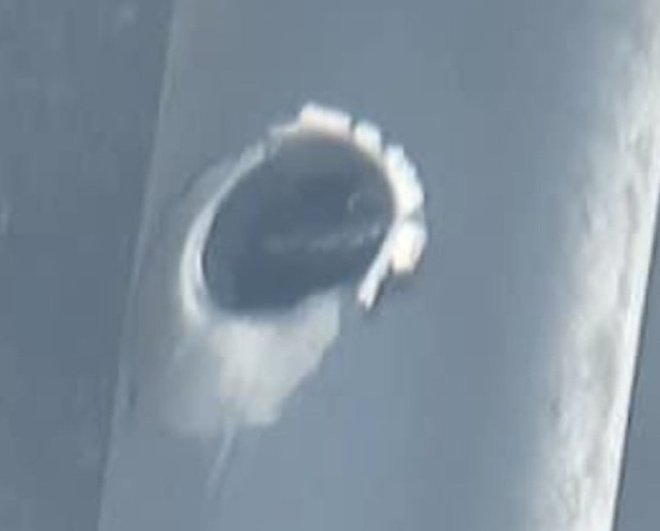
To advance the investigation, we now turn our focus to the impact point of Shot 3. We have presented video evidence confirming that Shot 3 is the one that struck the hydraulic pipe, as well as photographic documentation of the impact itself.

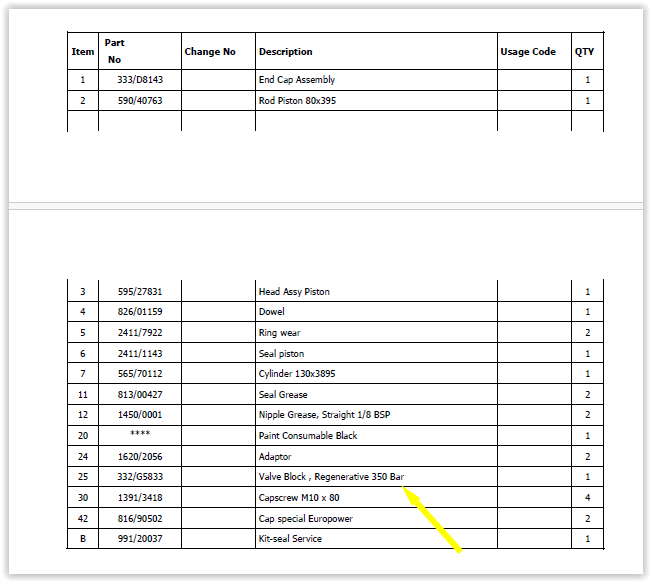
According to the spare parts manual, the tube that was hit operates at extremely high pressure—350 Bar (5076.33 psi). For comparison, a standard garden hose functions at only 5 to 6 Bar (87 psi)—already capable of producing significant force. This highlights why conventional comparisons to standard rifle shots into steel plates are insufficient. The internal pressure at play here creates a highly specific and unique impact scenario.

At 350 Bar, any puncture results in an instantaneous and violent response. Upon impact, oil is forcefully ejected without delay. There is no bullet lodging, no delayed leakage—the response is immediate.


Oil Flow Direction Simulation

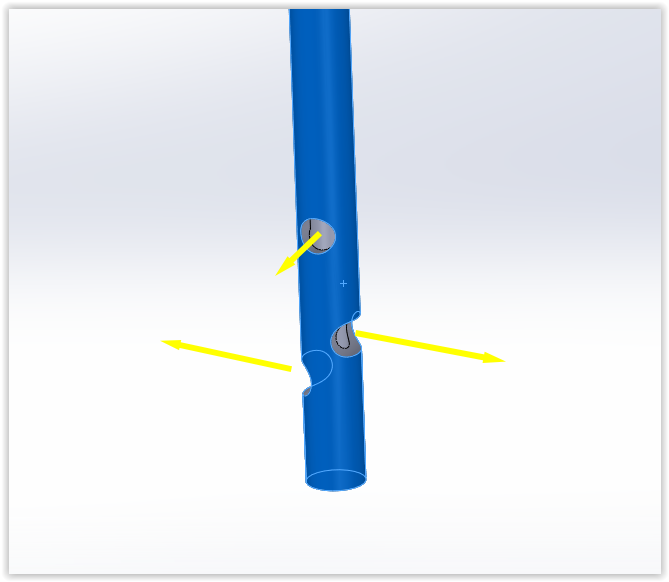
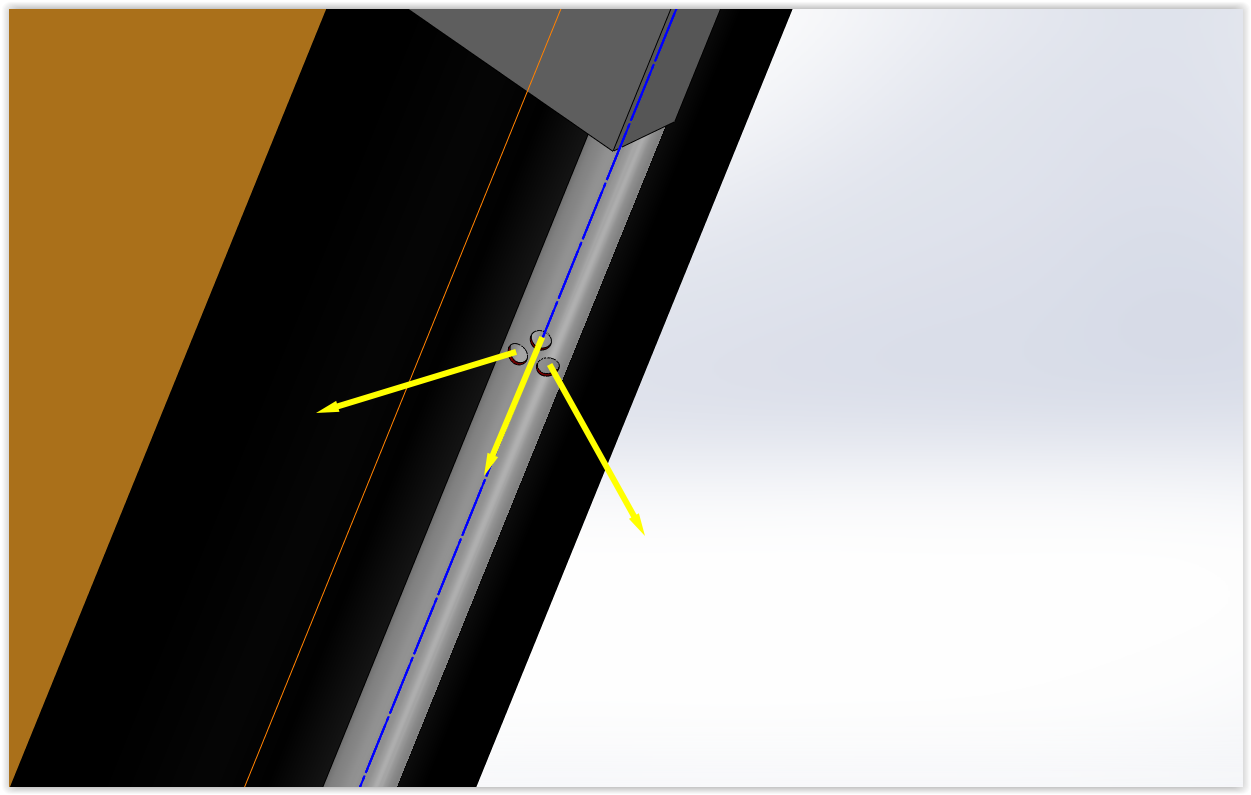
To explore this further, I made a basic simulation showing how the direction and angle of oil flow can vary by as much as 180°, depending on where the shot impacts the tube’s diameter.

In this model, shots impacting the far left or far right of the tube caused significant directional shifts in oil spray. This simulation does not replicate the Trump scenario, but serves to demonstrate that even slight changes in impact position can have major effects on oil flow behavior.

This subject was also addressed in the documentary interview by JD Wilcox.

At this moment I would like to thank JD Wilcox, creator of the documentary “Who Shot Trump”, for his investigative efforts. While I’m hesitant to question his evidence suggesting a second shooter coming from the trees, I hope that future editions of the documentary will consider incorporating the findings presented in this forum.

In his interview (Watch here), Wilcox makes a valid point:

“There is one way that the bullet hits the pipe and the oil sprays in a different direction — a glancing blow.”

However, he concludes that the shot in this case was a direct hit.

Based on our simulations, we contend that the bullet did not strike the center of the tube. Instead, it impacted the left side, which significantly altered the angle and direction of the expelled oil.


Had the bullet struck the absolute top center of the tube, the oil would have been ejected directly back toward the AGR building. Conversely, if we mirror the left-side impact to the right, the oil flow would shift in the opposite direction. This demonstrates how flow direction depends critically on the exact location of the impact.


Burr Pattern Evidence

Additional confirmation comes from analysis of the burrs at the impact point.

If the bullet had struck dead center, we would expect the burrs to be evenly distributed around the top of the pipe. However, the burrs are more prominent on the right side, clearly indicating that the impact occurred off-center to the left.

This left-offset impact aligns with and reinforces the observed leftward deflection of the oil spray.


We will make a pause here and invite further questions, feedback, or technical review before proceeding. Additional simulations and video breakdowns can be provided as needed.
1 Like

Look closely, it seems to me Nicol has a second rifle in his left hand!
It could be Murcko’s!

1 Like

You ask people to criticize your claims, but you ignore them and carry on as if nothing happened!
Go on, it only interests you…

1 Like

Never is a pretty defining word.

  1. This was short distance
  2. Head shot would make for pretty dramatic footage
  3. Trump was and is very obviously wearing bullet proof vest, and it’s even thicker now
  4. The only thing that save trump, was the sudden movement of his head a split second before the trigger was pulled.
1 Like

Apologies if I missed any of your questions. Please feel free to take this opportunity to ask them again—I’d be happy to answer.

And what do you think of the so-called professional sniper who misses three times in a row at this short distance?