Do you think Copenhaver’s stomach reaction was probably slower than half a second when it was hit with the bullet you call Shot3?
Suddenly?
I heard them 12 months ago, and they weren’t fired by ghosts.
Why does Audacity’s time line hear them, e.g., the shot, obviously louder on the right channel, at 3.65 seconds on the timeline?
It doesn’t sound like ‘stepping on a tree branch’.
It does sound similar to Griffey Jr. lining a ball foul past Olerud in the Kingdome, 1993, vs Stottlemeyer Jr. on the mound.
- yes, by @realDJStew724
- he’d just heard Baldy’s 3 shots, certainly from an AR, and NOT from a .308 Winchester. Dayve was parked under his tree, he and the fence crowd were stunned into silence, and I think that Dayve, and others near him were stationary.
- location, location, location…like real estate…micriphones at the podium couldn’t ‘hear’ them.
Other recordings almost certainly ‘heard’ those shots.
Why do you think all the bodycam videos you’ve been watching are ‘silent movies’? Duhhhh!
If the bullet pierced the reservoir…not a hydraulic line…could the reservoir’s internal plumbing have been cracked, rather than pierced?
Also, the metal folded at the top of the hole gives the appearance of an ‘exit wound’, so I think it’s possible that the bullet pierced thin aluminum, hit hard steel, bounced back out, and was never found(or discarded deliberately, if it was found).
Please don’t quote that one sentence of mine without the next one where I say that makes no sense. You’re taking me out of context.
While a hit on a pipe that wasn’t so thick could do the damage you illustrate (the equivalent of a graze wound on an arm), it’s clear from the picture given that the shot was close to straight on.
‘straight on’ is my impression of seeing Dutch’s shot, known to have exited, and on a trajectory that looks aimed at the JCB machine.
What’s wrong with that theory?
(the fragments Dutch mentioned could be very small copper particles, and thin intercostal muscles/liver may have had little effect to slow Dutch’s bullet)
Job 1 for me: bring in Baldy for questioning.
One suggestion was to shift the audio to align audible shots with vizual experience.
Well, audio and mostly video compression might be time consuming, especially when a lot of changes from frame to frame. This may result some lag- I did not copy all the discussion here.
By the way, once I had to present 50 dB music, kuz the neighbours complained about a school event. It is like whisper.
Well, you should visit a workshop and ask the master to drill those side way holes. Of course a laser beam or sandwater beam can do it, but the traditional mechanically it would be very tricky.
I think it would be a backscattering test for a bullet. (My father had only an air rifle.)

You should ask AI why you cannot tickle yourself.
You can’t effectively tickle yourself because your brain predicts the sensation and cancels out the surprise factor that makes tickling feel ticklish.
1. Prediction and Control
Your brain uses a system called the cerebellum to predict the outcomes of your own movements. When you try to tickle yourself, it knows exactly what’s coming — how hard, where, and when — so there’s no element of surprise.
2. Lack of Unexpectedness
Tickling works because it triggers a defense response — your body reacts to unpredictable touches that might be from an external threat (like insects or other people). When the touch is self-generated, it doesn’t register as a threat, so your body doesn’t respond the same way.
3. Brain Activity Differences
Studies using fMRI show that when someone else tickles you, there’s more activity in areas of the brain involved with sensory processing and surprise (like the somatosensory cortex and anterior cingulate cortex). When you tickle yourself, those areas are much less active.
So: the key to being ticklish is unpredictability and the illusion of an external source — both of which vanish when you’re in control.
Some reactions do bypass the brain and are controlled by the spinal cord instead. These are called spinal reflexes.
vs.
Brain vs. Spinal Reflexes
Reflexes controlled by the spinal cord are super fast and automatic. The signal doesn’t need to go all the way to the brain before your body reacts. This is a survival mechanism.
Examples of Spinal Reflexes:
- Knee-jerk reflex: When a doctor taps your knee and it kicks out — that’s a spinal reflex.
- Withdrawal reflex: If you touch something hot, you pull your hand back before you consciously feel pain. The spinal cord makes the call instantly.
So How Does This Relate to Tickling?
Tickling, especially when it triggers laughter or squirming, does involve higher brain centers, including:
- Somatosensory cortex (for touch)
- Anterior cingulate cortex (for emotion)
- Cerebellum (for movement prediction)
But — there can be some spinal involvement, especially in involuntary muscle reactions like jerking away from a tickle. Those rapid withdrawal motions are partly reflexive and can involve spinal circuits.
In Summary:
- Spinal reflexes = fast, automatic, protective (like jerking from heat or pain)
- Tickle reactions = mix of reflex and brain-controlled response (especially laughter, squirming, or emotional reaction)
I’m sure it is an entrance, by jacketed bullet.
Sorry, I did not want to take you out of context.
I was able to identify the cylinder in question from a spare parts catalog:
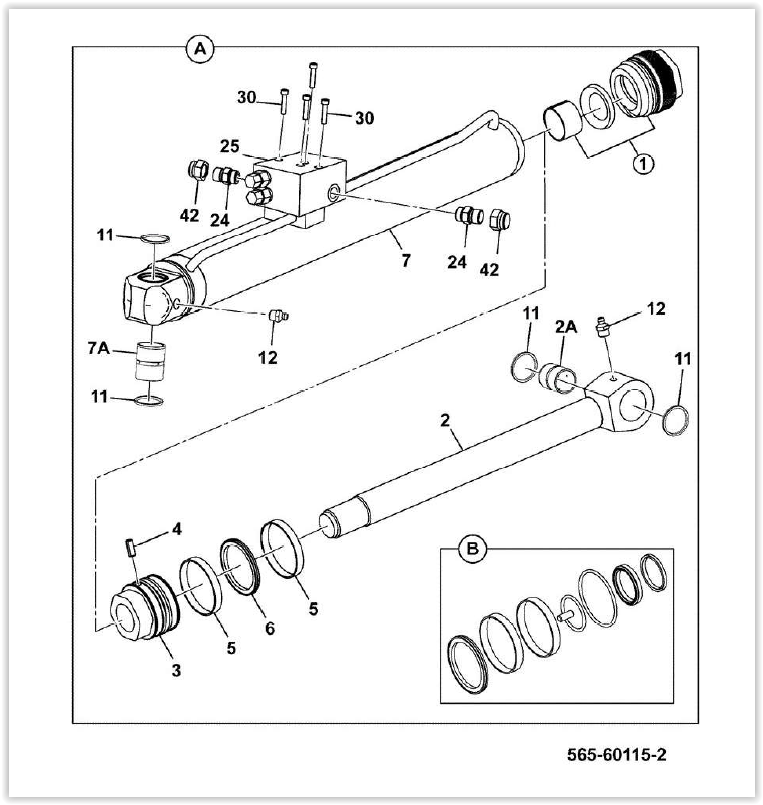
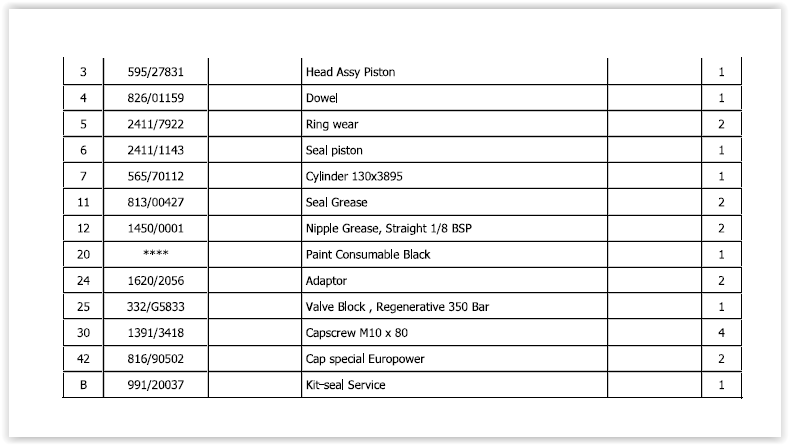
The cylinder is specified in millimeters, with a diameter of 130 mm (part number 7), which allows us to determine the impact dimension more precisely.
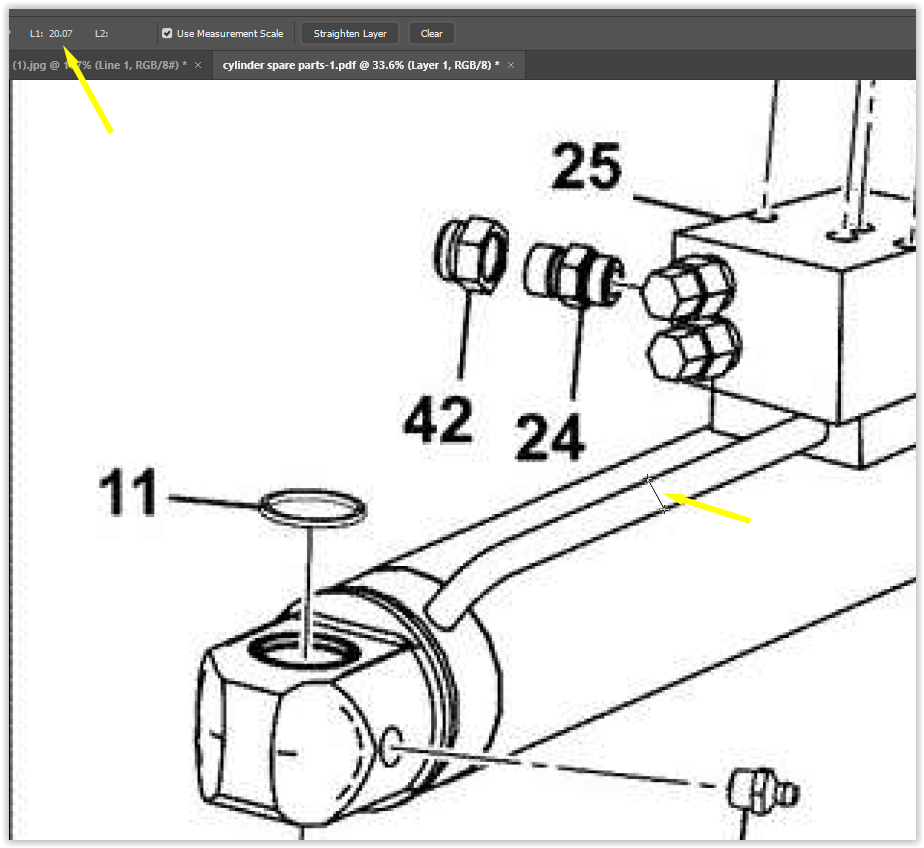
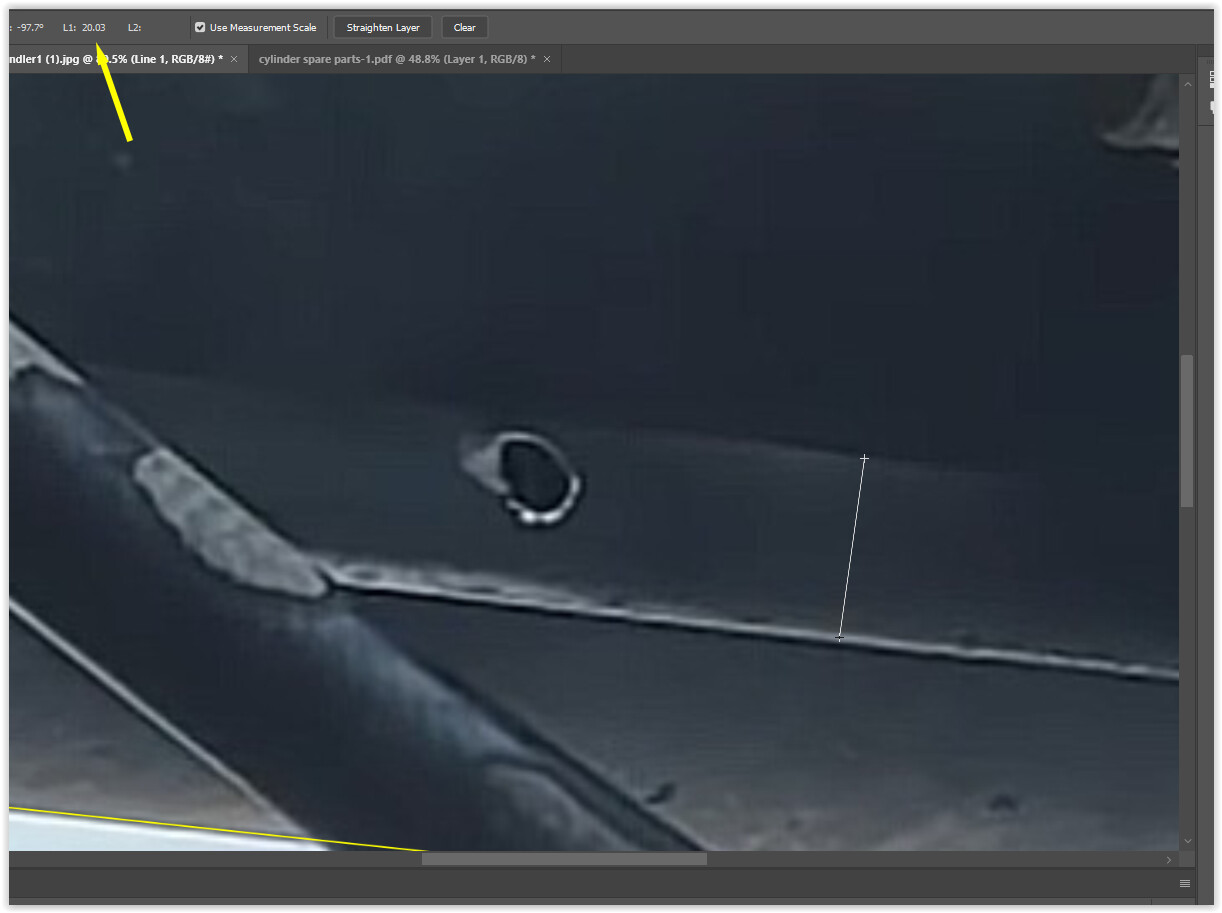
After scaling the drawing, we can see that the hydraulic tube has a diameter of 20 mm.

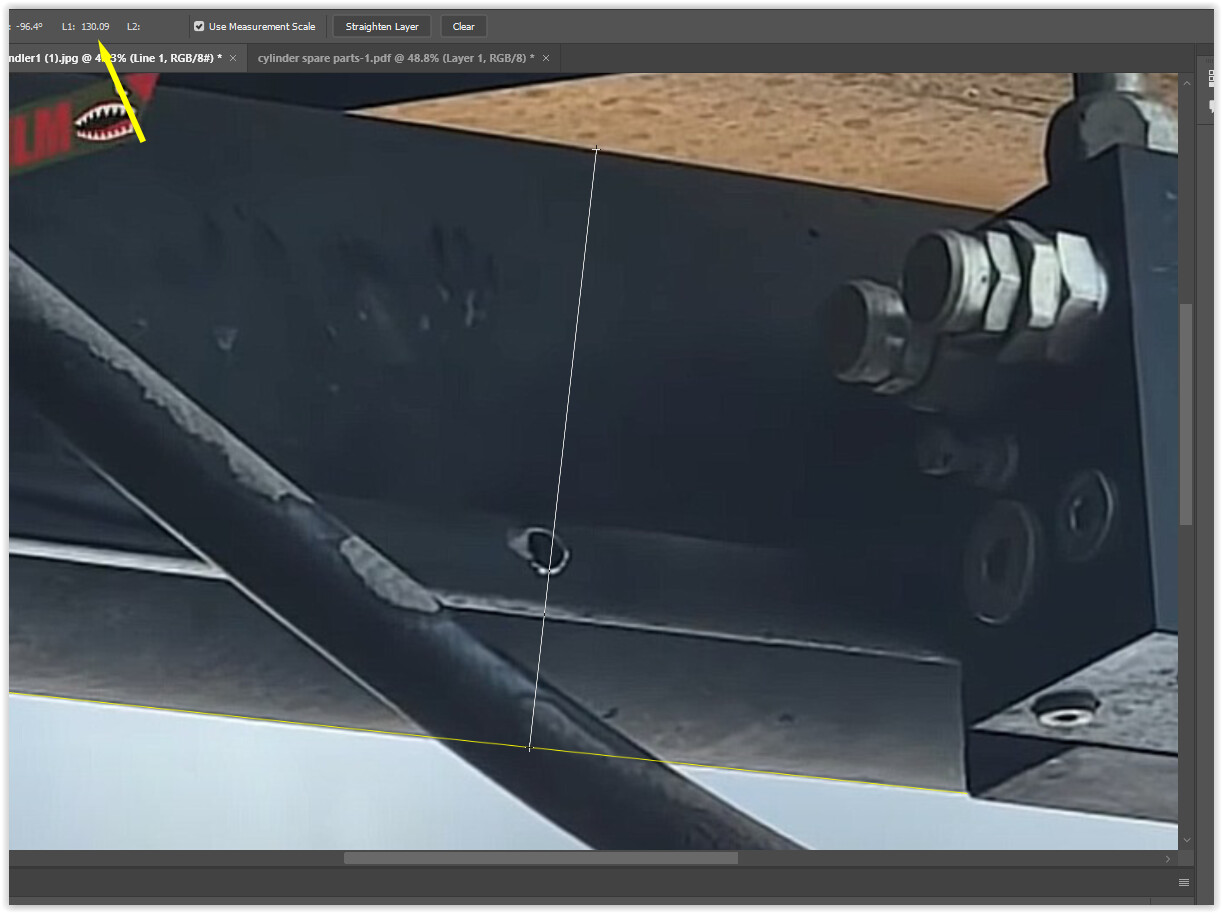
Using the scaled drawing of the impact area, we can measure the impact hole of 7.86 mm, which equals approximately to 0.3091 inches.
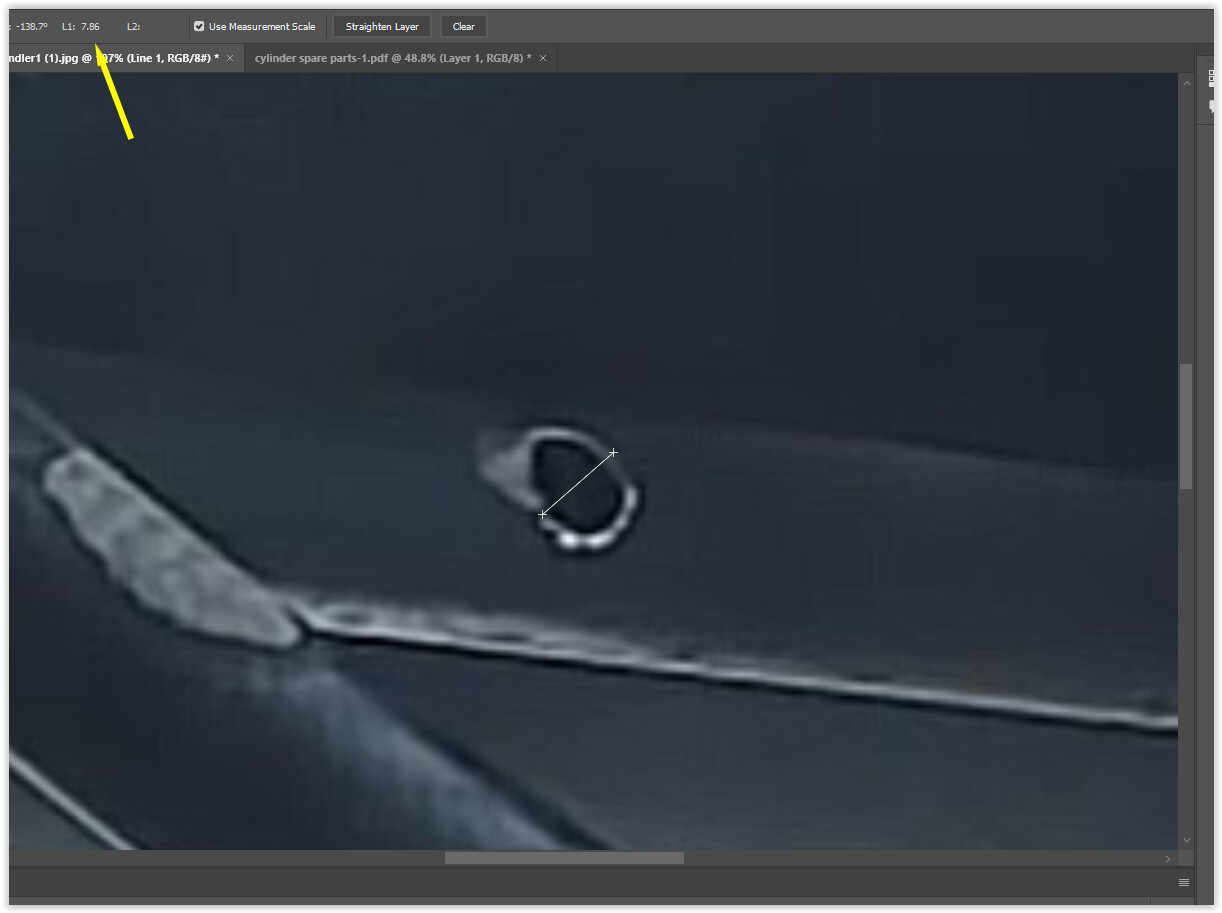
In applications like this, hydraulic pipes are typically made of steel, due to their strength and ability to withstand high pressures.
2 Likes
I recommend watching the documentary “Who Shot Trump”—it will help you better understand the context of what we’re discussing.

At around the 59-minute mark, they discuss the hydraulic tube in detail.
1 Like



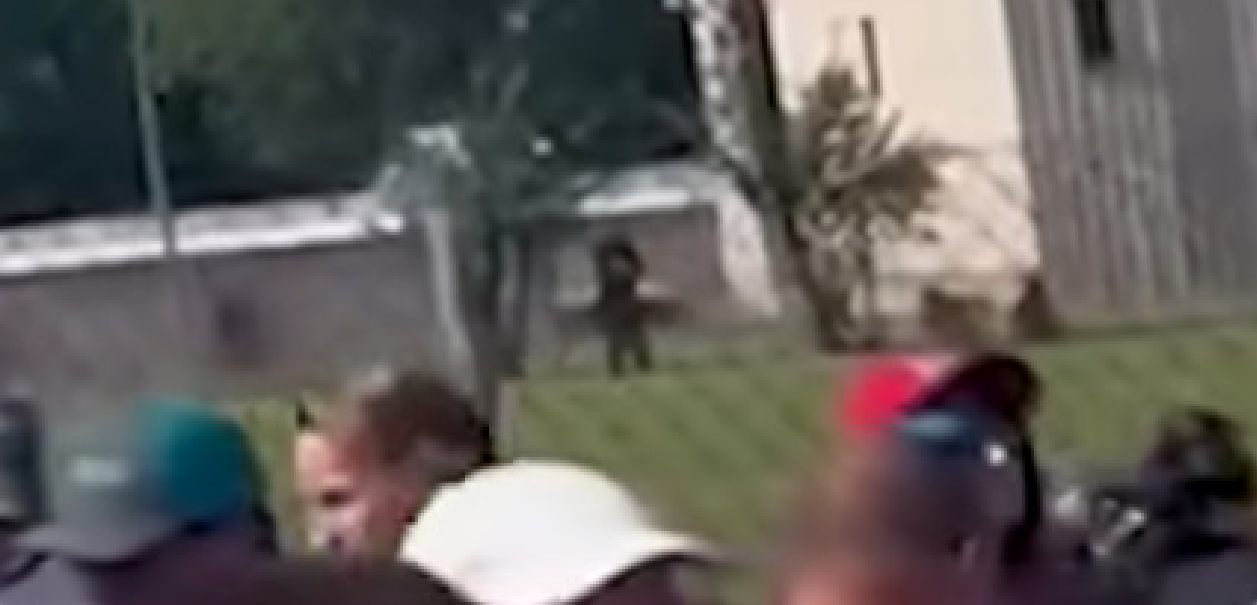
It does look like TMC, the lone wolf shooter is heading for the history books as what happened.
1 Like
At least TMC doesn’t have any descendents to be eternally defamed, as Lee Oswald has.
Also, don’t give up on Baldy T Shirts…not sure why Photoshop 7.0 keeps locking my layers with .psd files, but I’ll add a cute ear to his bald profile…and I want Baldy’s mouth to be slightly…open, but not as open as Don Fanucci’s mouth in Godfather2.
Only the evidence of the hydraulic line bullet hole should be considered. Images of the hole were taken just after.
It is a waste of time examining any evidence of the machine the bullet hole after the FBI have investigated it and did remove all the evidence.
Where ever the bullet ended up, i am sure the FBI will have it and will be part of their cover up investigation.

5:01 We also know from aerial imagery of the area
5:03 that a tree blocked the northern sniper team’s
5:05 line of sight to the gunman.
5:07 But the southern team had a clearer view.
5:10 Back at the rally, one minute after Trump is hit,
5:14 the Secret Service say the shooter is down.
5:19 As they moved to take Trump from the stage, he orders
(I think part [2] piston is inside part [7] cylinder.)
I still dunno which part of it was punched.














1 Like

the damned TMZ caption is not there